Venezuela Opens Oil Sector to Private Investment Amid US Thaw
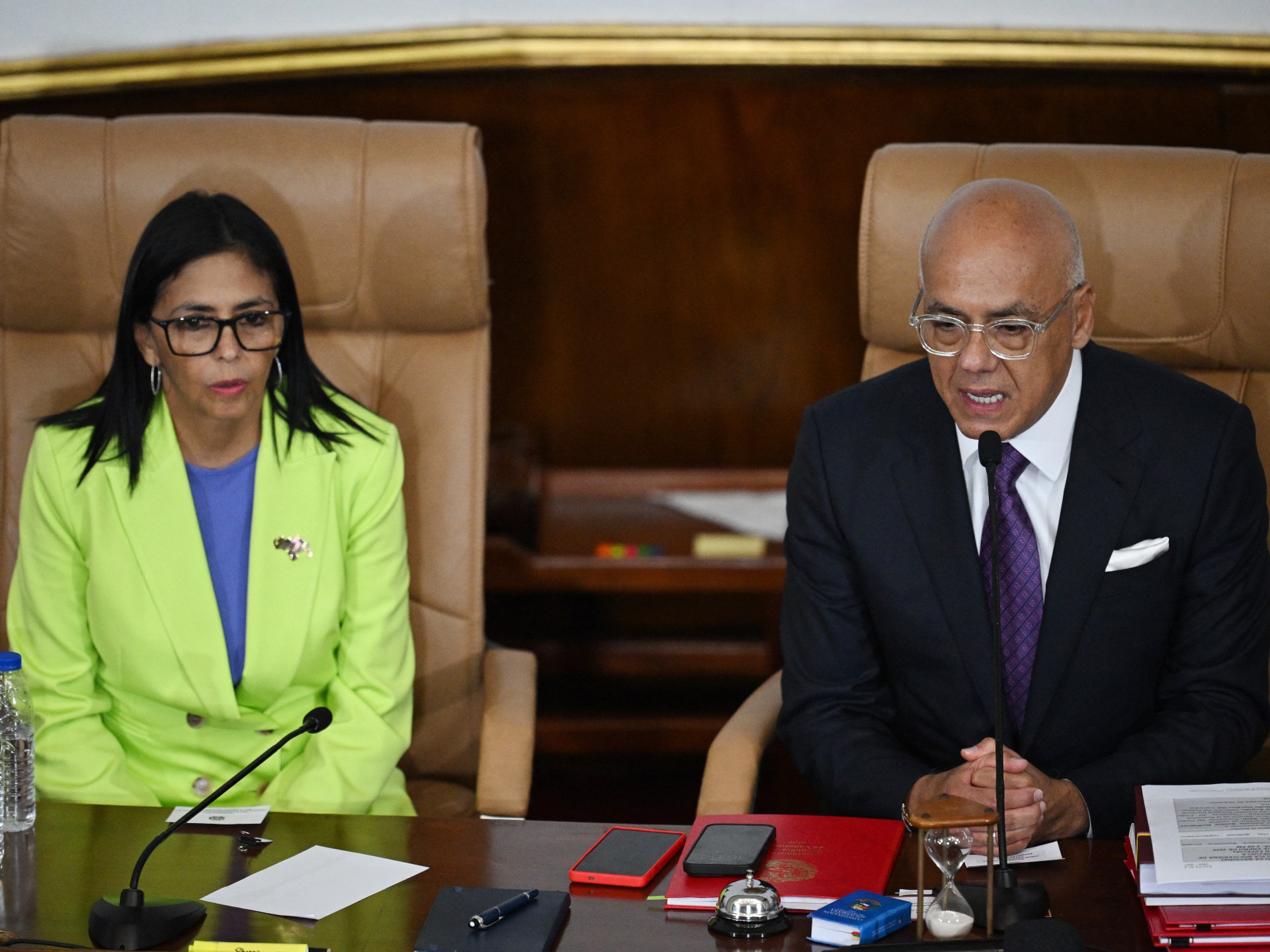
The Venezuelan parliament has approved, in its first reading, a bill opening the oil sector to private investment. This move signals a potential shift in the nation’s economic policy and comes amid growing indications of normalized relations with the United States.
The legislative action follows the US-backed removal of Nicolas Maduro as president three weeks prior and the subsequent appointment of his former vice president, Delcy Rodriguez, as acting president.
The amendment to the oil law is widely viewed as a crucial step towards mending ties with the United States, which have been strained since 2019, accompanied by sanctions on Venezuelan oil exports. The aim is to attract much-needed foreign capital and expertise to revitalize the struggling oil industry.
According to Parliament Speaker Jorge Rodriguez, there is “no benefit to oil underground if we cannot increase production.” Current production stands at approximately 1.2 million barrels per day, a significant drop from the peak of over 3 million barrels at the beginning of the millennium.
Analysts suggest that reforming the oil sector’s legal framework is a prerequisite for American companies seeking assurances before investing in exploration and extraction projects in Venezuela. These companies are looking for legal guarantees and a stable political environment.
US President Donald Trump has announced that American oil companies will “very soon” begin exploration in Venezuela, praising acting President Rodriguez. He has previously stated his intention for the US to oversee Venezuelan affairs during a transitional period.
Since assuming office on January 5th, Rodriguez has reorganized the military apparatus, appointing twelve officers to head military regions. She has also replaced Maduro loyalists within the government with her own appointees. Despite ongoing US sanctions, including asset freezes, President Trump remarked at the Davos forum that Venezuela’s leaders are “very smart,” referring to Rodriguez.
This opening of the oil sector represents a significant gamble for Venezuela, betting on improved relations with the US and increased foreign investment to boost its economy. The success of this venture hinges on the stability of the new political landscape and the willingness of international companies to invest in a nation with a complex history.