US Control Over Iraqi Oil Revenue: A Lingering Legacy
Since the 2003 invasion, the United States has maintained significant influence over Iraq’s oil revenue, effectively controlling the flow of petrodollars. This control, exerted primarily through the Federal Reserve, grants Washington considerable leverage in Baghdad’s affairs, with implications extending to regional power dynamics, particularly concerning Iran.
The mechanism for this control stems from the establishment of the Development Fund for Iraq (DFI) following the 2003 invasion. The US-led Coalition Provisional Authority created the DFI, situating it within the Federal Reserve Bank of New York. The fund was designed to collect Iraqi oil revenues and allocate them towards reconstruction and development efforts, while also shielding these assets from legal claims related to the Saddam Hussein era.
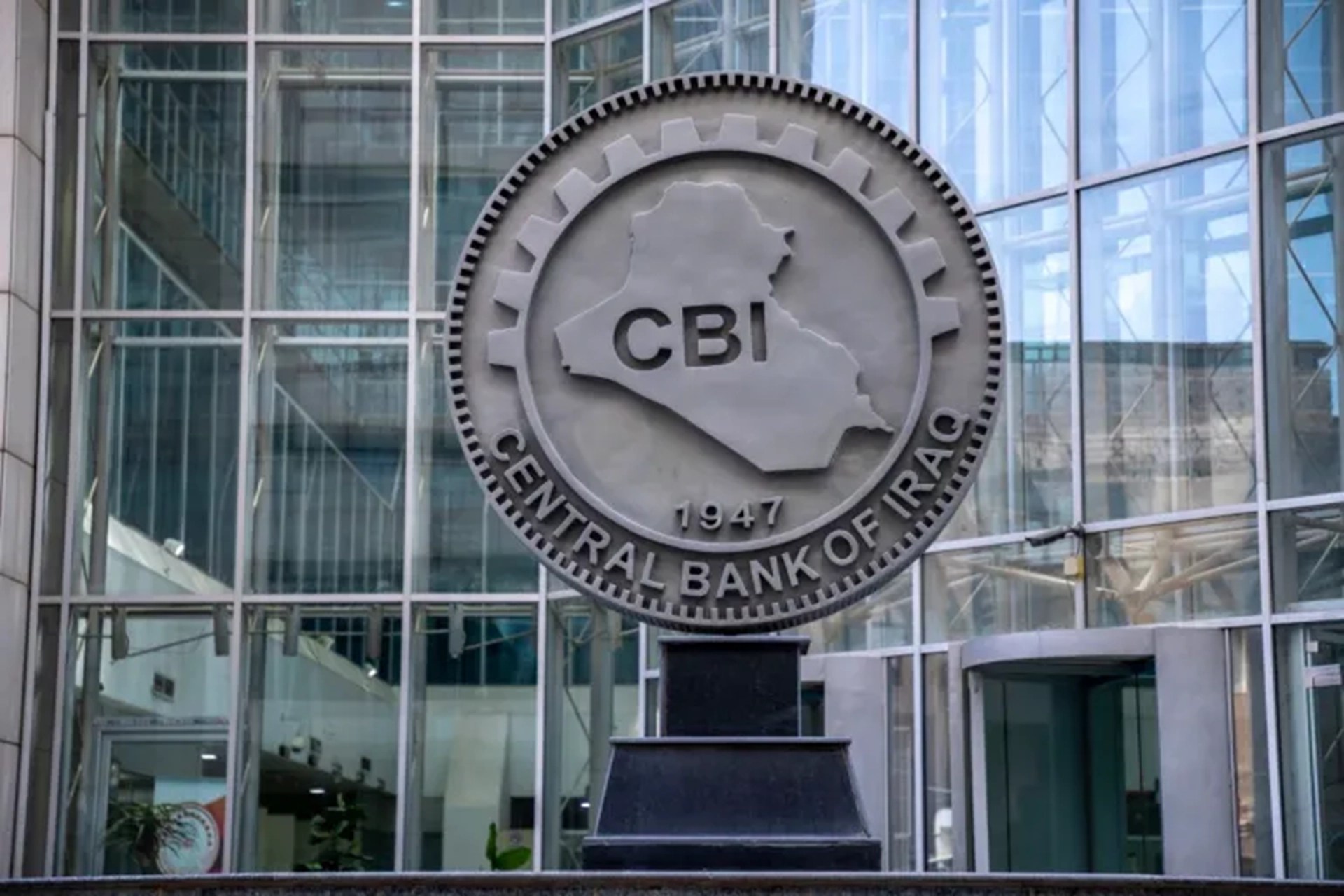
An executive order, initially signed by President George W. Bush and subsequently renewed by each succeeding president, formalized this arrangement. The DFI ultimately evolved into an account held by the Central Bank of Iraq at the Federal Reserve, a status that persists today. This arrangement grants the US significant, if indirect, control over Iraq’s primary source of income.
The Leverage of Petrodollars
Oil revenues constitute approximately 90% of Iraq’s national budget, making this financial dependency a crucial factor in the country’s economic and political stability. The control afforded to Washington translates into substantial influence. For example, when the Iraqi government requested the withdrawal of US troops in 2020, the United States reportedly threatened to restrict Iraq’s access to its oil revenues held at the Federal Reserve. This threat allegedly contributed to Baghdad’s eventual backtracking.
While the Iraqi government has gained greater control over its financial affairs since the initial years of the occupation, the enduring relationship between the Central Bank of Iraq and the Federal Reserve underscores the continued American influence on the Iraqi economy. This influence persists even as Iraq strives to assert its sovereignty and independence. The long-term implications of this financial entanglement remain a subject of ongoing debate.