Reduction of Traffic Violation Fines and Abolition of “Imprisonment” Penalty in New Traffic Law
The joint committee of the two chambers of Parliament, tasked with proposing a consensus formula on the disputed provisions in the voted text of the traffic law, held a meeting on Monday chaired by Kada Nadjadi.
According to a statement from the People’s National Assembly, the committee focused on addressing the provisions in Articles 104, 119, 121, 124, 125, 127, 128, 129, 161, 166, and 170. This aligns with the President’s directives to modernize criminal policy by rationalizing the use of custodial sentences and establishing the principle of dual penalties, particularly by decriminalizing some traffic violations and reviewing the penalty system to balance deterrence with respect for rights and freedoms.
In this context, the committee members voted on Articles 104, 119, 166, and 170 by deleting the term “felonies.” Fine amounts for violations involving some severity, included in Article 121—specifically those in the third and fourth categories—were reduced. Fines for the first and second degrees remained unchanged as they align with current economic and social conditions. The term “and felonies” was also removed from the title of this article.
Members also voted on Articles 125, 127, 128, and 129 by replacing the terms “imprisonment” and “temporary imprisonment” with “detention.” Regarding Article 124, the second paragraph related to penalties for transport professionals was deleted, keeping only the first paragraph and generalizing its provisions to both vehicle drivers and transport professionals alike.
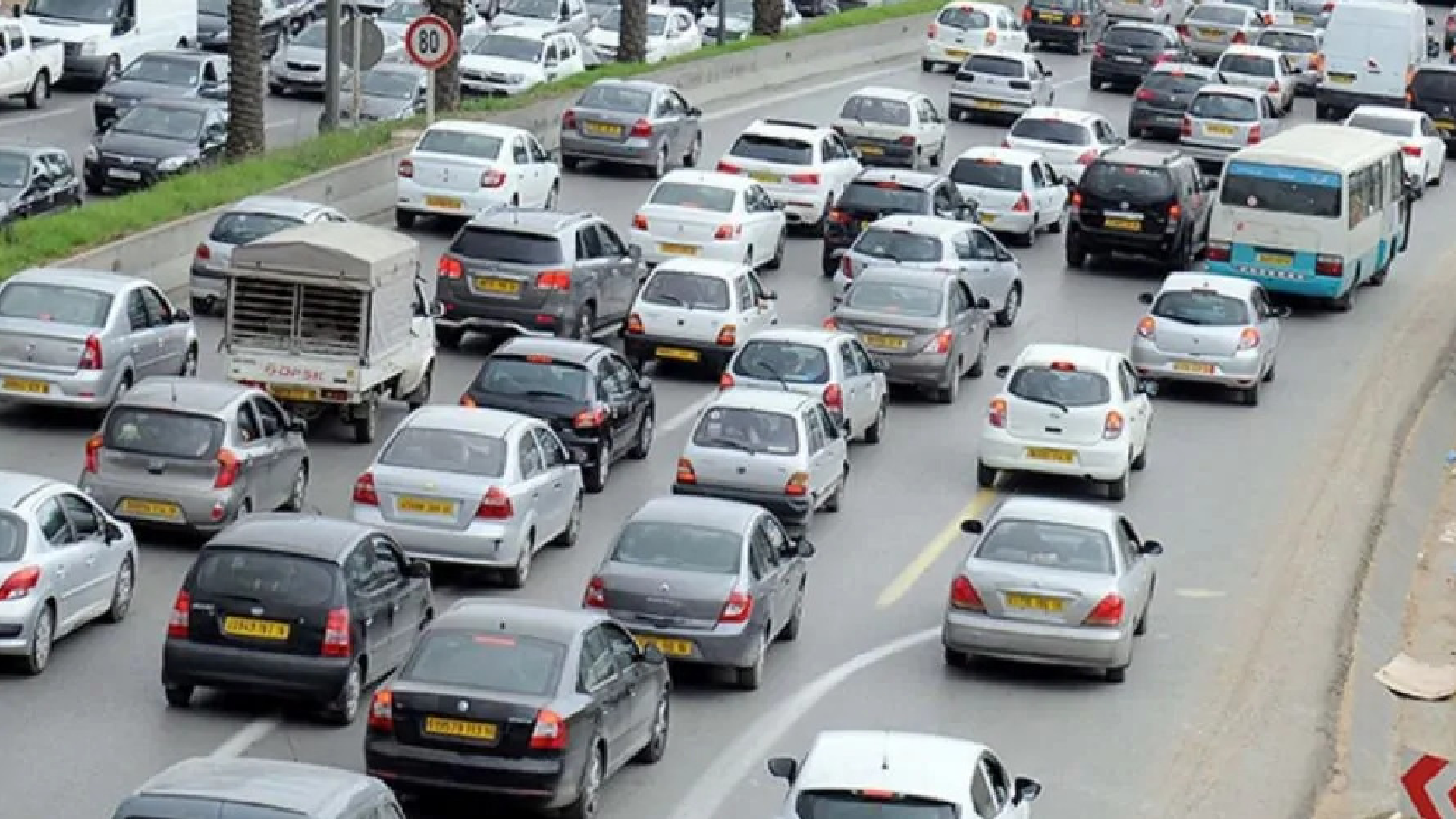
The committee members emphasized that decriminalizing and reducing fines for some violations took into account the alarming rise in traffic accidents in the country and the resulting heavy human and material losses. This was done by following a balanced legislative approach that combines deterrence and prevention, while strengthening awareness, training, and the improvement and development of road infrastructure.
Reference: link