Algeria Gears Up for July 2nd Legislative Elections Amidst Robust Preparations and Political Engagement

Algeria's Ministry of Interior is meticulously overseeing the logistical preparations for the upcoming legislative elections scheduled for July 2nd. Central inspection committees have been dispatched to various wilayas across the country to ensure optimal readiness for this significant national event.
Algeria legislative election preparations
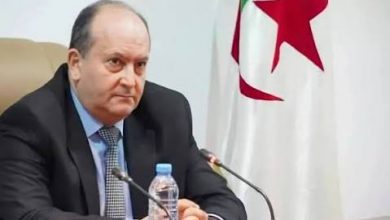
These inspections, conducted under the directives of the Minister of Interior, Local Collectivities, and Transport, Saïd Sayoud, aim to thoroughly assess the logistical arrangements. Coordination meetings are being held with local authorities and provincial administration officials, alongside representatives from the National Independent Electoral Authority (ANIE), to gauge the progress of preparations and evaluate the necessary logistical support for a smooth electoral process.
Field visits are also focused on inspecting electoral infrastructure, including storage facilities for election materials and the offices of ANIE coordinators at both communal and wilaya levels. The objective is to confirm their availability and ensure all material and logistical conditions are met for the successful conduct of the elections.
Furthermore, the process involves inspecting the state of premises designated for electoral operations and monitoring the progress of refurbishment and equipping efforts. Immediate attention is being given to addressing any identified shortcomings to guarantee the best organizational conditions for the success of this national undertaking.
In a related development, President Abdelmadjid Tebboune recently reaffirmed his commitment to political dialogue with parties, emphasizing its constructive nature and his dedication to implementing all agreed-upon accords. He stated that this dialogue would commence once the Parliament adopts the law on political parties. President Tebboune has consistently fostered national cohesion through broad consultations with political forces and national figures, aiming to strengthen state institutions and support strategic orientations.
These extensive consultations have garnered significant support for ongoing reforms, rooted in dialogue and consensus. President Tebboune has also prioritized communication with the public and the political class, honoring a commitment made four years ago. This includes regular interviews with the national press, providing a platform for discussing domestic political and socioeconomic issues, and establishing a vital channel for the media.
President Tebboune has urged political parties to "break away from old methods" and to unite under the banner of national unity and the Declaration of November 1st. In response, political forces have set aside narrow interests to promote national unity, engaging with trade unions, civil society organizations, and the diaspora.
Many political parties and civil society components have expressed their unwavering support for the President's reform agenda—political, economic, and social—and their commitment to bolstering cohesion and collective mobilization to safeguard the nation's security, stability, and unity. They commend the President's dedication to strengthening the internal front and continuing dialogue with national forces, embodying the principle of participatory democracy.
International observers note that Algeria has, in recent years, consolidated public liberties, democratic practices, and human rights, fostering greater societal involvement in public affairs under President Tebboune's leadership. Amendments to laws governing associations, political parties, and local governance codes are expected to further strengthen this approach, aligning them with the November 2020 Constitution.
President Tebboune's extensive consultations have yielded support for his program from national figures, party leaders, and organizations, all eager to contribute to strengthening the internal front and improving the socioeconomic situation. His engagement with media leaders aims to enhance journalistic performance and establish the media as an effective partner in national development.
The deep economic reforms initiated by President Tebboune, focused on establishing an open and diversified economic model supported by a reassuring and investment-stimulating legal framework, have been widely praised by the political class. The new investment law, promulgated in July 2022, ensures fair conditions, equal rights, and opportunities for all investors, whether local or foreign. It guarantees investment protection and the repatriation of capital and profits, with a commitment to legal stability for at least 10 years. The law also enhances transparency and digitizes investment procedures, including the creation of a national single window for major projects and foreign investments, alongside facilitated land allocation for investment projects.
The fundamental decision to abolish the 51/49 rule, except for strategic sectors, is seen by many observers as a crucial step towards creating a more open and attractive environment for foreign investors. Algeria is now firmly on the path to establishing a new economic model, reducing its dependence on hydrocarbons and revitalizing national production. The establishment of the High Council for Import Regulation further underscores the commitment to ending detrimental practices that have previously harmed the nation's economy.
Related topics: Algeria elections, Ministry of Interior, President Tebboune, ANIE, political dialogue, economic reforms
DZWatch provides English-language coverage of Algeria-focused developments for international readers.