Algeria Accelerates Transition to Treated Wastewater for Sustainable Irrigation and Food Security
Algeria is making significant strides in transforming its irrigation practices by increasingly adopting treated wastewater, a strategic move championed by Minister of Hydraulics, Lounès Bouzegza. This initiative aligns directly with the directives of President Abdelmadjid Tebboune, underscoring a national commitment to safeguarding conventional water resources, bolstering food security, and ensuring a sustainable supply of potable water for its citizens.
Algeria treated wastewater irrigation
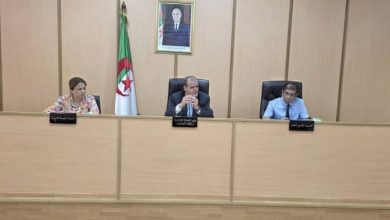
Minister Bouzegza recently reiterated this vision during a working visit to the headquarters of the National Office for Irrigation and Drainage (ONID). The visit provided an opportunity to review ONID's extensive activities, its strategic action plans, and ongoing projects focused on managing and operating irrigation and drainage infrastructure across the nation. Officials at ONID presented detailed reports on various operations aimed at enhancing sectoral performance, modernizing equipment, and improving service quality for agricultural operators. Key projects currently underway include optimizing irrigation network management and upgrading infrastructure to support robust agricultural growth.
During his visit, Minister Bouzegza reaffirmed the ministry's dedication to implementing President Tebboune's guidance, which calls for the progressive expansion of irrigated areas through the advanced tertiary treatment of wastewater. This strategic orientation is designed to alleviate pressure on conventional water sources, thereby prioritizing their allocation for human consumption. The Minister emphasized that this approach is a cornerstone of national water security, supporting broader efforts in agricultural development and food self-sufficiency. Utilizing treated wastewater represents a sustainable alternative, allowing for the expansion of irrigated land without compromising reserves essential for drinking water.
Furthermore, Minister Bouzegza stressed the imperative for modernizing management practices within ONID. He called for an accelerated push towards digitalization, advocating for the development of advanced information systems, improved databases, and the implementation of more efficient monitoring and evaluation tools. These measures are expected to significantly enhance ONID's operational efficiency and optimize decision-making processes.
The Minister also highlighted the critical importance of regular and systematic maintenance of hydraulic structures and infrastructure within the sector. He underscored that preserving these facilities is fundamental to ensuring their longevity, continuous availability, and optimal operational performance. Continuous maintenance of hydraulic infrastructure not only guarantees the continuity of public service but also protects the substantial state investments made in this vital strategic domain.
Commending the diligent efforts of ONID's executives and employees, Minister Bouzegza urged them to maintain their high level of commitment and responsibility to achieve the sector's assigned objectives. He also encouraged them to further enhance their performance to meet national ambitions for economic development and address the expectations of Algerian citizens. This visit forms part of a series of periodic meetings conducted by the Minister with various institutions and organizations under the purview of the Ministry of Hydraulics, aiming to closely monitor projects, evaluate structural performance, and accelerate the implementation of programs designed to strengthen sustainable water resource management.
Related topics: Algeria water management, treated wastewater irrigation, agricultural development Algeria, food security Algeria, hydraulic infrastructure, sustainable water resources
DZWatch provides English-language coverage of Algeria-focused developments for international readers.