Algeria Poised for Pivotal Role in Europe’s Clean Energy Transition
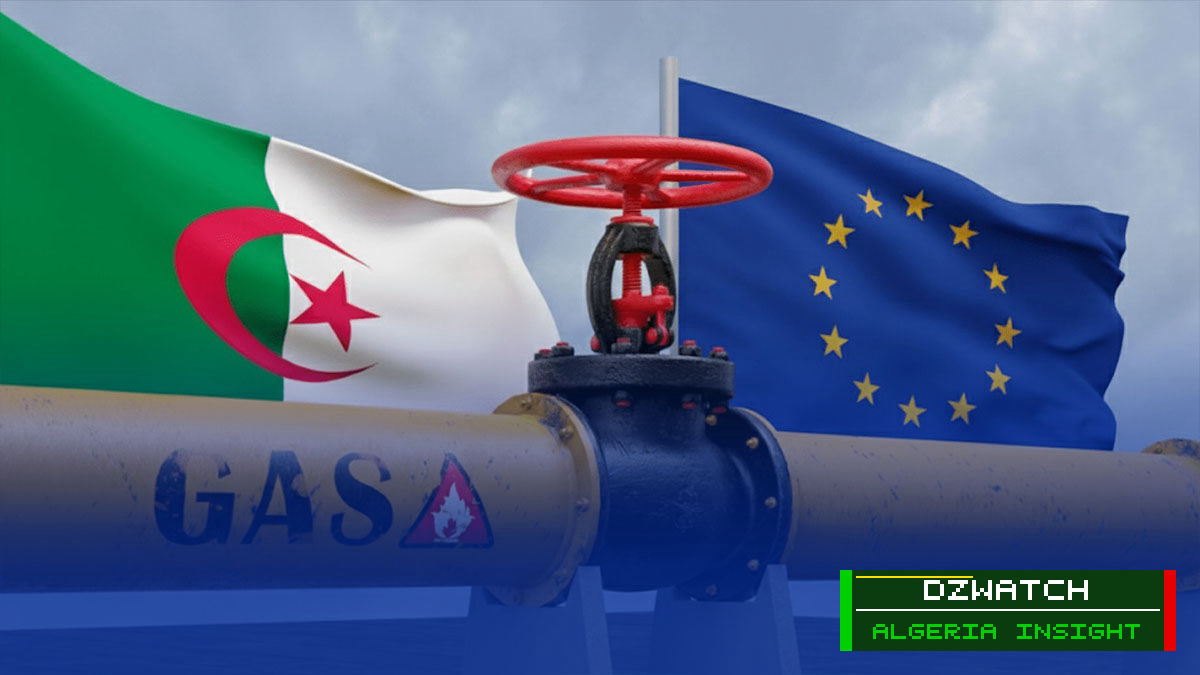
Algeria is positioning itself for a significant strategic re-evaluation within Europe's evolving energy landscape, as the European Union intensifies its efforts to diminish historical dependence on Russian gas. Following years of substantial reliance on Moscow for its energy needs, the EU has successfully reduced its Russian gas imports to unprecedented levels since the outbreak of the conflict in Ukraine, creating a new window of opportunity for alternative energy partners.
Algeria Europe clean energy
This strategic shift presents Algeria with a rare chance to redefine its role from a traditional gas supplier to a pivotal partner in clean energy initiatives. DZWatch understands that this transition aligns with both Algeria's ambition to diversify its energy exports and Europe's pressing need for secure, sustainable, and diversified energy sources. The nation's vast renewable energy potential, particularly in solar power, positions it as a key player in Europe's decarbonization efforts.
As Europe accelerates its green transition, Algeria's abundant resources and strategic geographical proximity offer a compelling proposition for large-scale renewable energy projects, potentially including green hydrogen production and enhanced energy interconnectivity. This evolving partnership signifies a long-term strategic alliance, moving beyond conventional fossil fuel transactions towards a future-oriented collaboration focused on sustainable energy solutions, thereby strengthening economic and diplomatic ties between Algeria and the European bloc.
Related topics: Algeria energy strategy, Europe gas supply, clean energy partnership, Algeria European relations, energy transition North Africa, renewable energy Algeria
DZWatch provides English-language coverage of Algeria-focused developments for international readers.