Algiers–Tamanrasset Railway Set to Become Strategic Gateway to Africa
Algeria’s ambitious Algiers–Tamanrasset railway is expected to become a major driver of economic development and a strategic logistics corridor connecting the country’s northern regions with its deep south and the wider African continent.
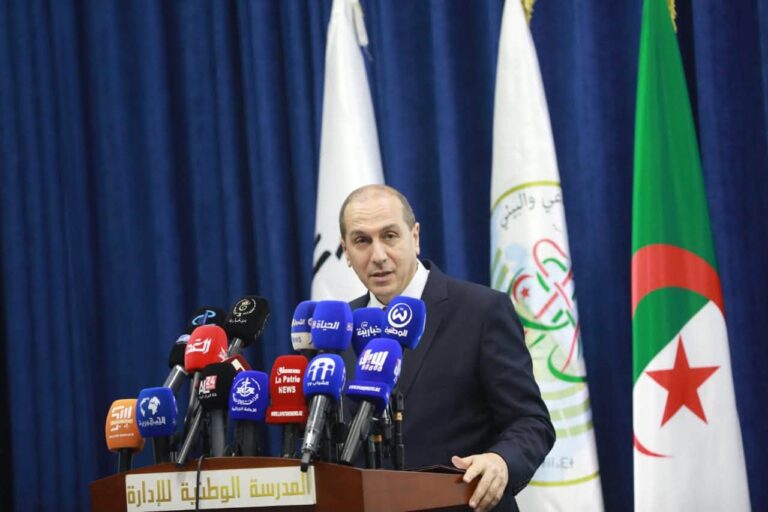
Experts and senior officials highlighted the project’s economic, social and geopolitical importance during a conference held at the National School of Administration in Algiers under the theme “Project of the Century: Algiers–Tamanrasset Railway.”
Organized by the National Economic, Social and Environmental Council, the meeting brought together government officials, experts and academics to examine the project’s expected impact on Algeria’s development.
The railway will extend over approximately 2,006 kilometers, linking Algiers to Tamanrasset through Blida, Médéa, Djelfa, Laghouat, Ghardaïa, El Meniaa and In Salah. It is designed to accommodate trains operating at speeds of up to 220 km/h.
The project combines sections already operational with others currently under construction or for which technical studies have been completed.
Officials described the railway as more than a major infrastructure project, emphasizing its potential to reshape Algeria’s economic and demographic landscape while strengthening national integration.
The line is expected to significantly reduce freight transportation costs and shorten delivery times from several weeks to only a few days. It could particularly facilitate the transportation of mining products, cement, agricultural goods and other heavy commodities.
The railway is also expected to stimulate tourism and improve connectivity between Algeria’s northern and southern regions.
President Abdelmadjid Tebboune has described the Algiers–Tamanrasset railway as a major national undertaking comparable in strategic importance to the Gara Djebilet project. The President previously instructed the government to concentrate efforts on completing the railway, which is scheduled to enter service by the end of 2028.
Beyond its domestic impact, the project is designed to strengthen Algeria’s position as a regional logistics hub and facilitate access for Algerian products to African markets, reinforcing the country’s economic integration with its continental partners.