Algeria Advances Industrial Strategy for Value Creation and Export Growth
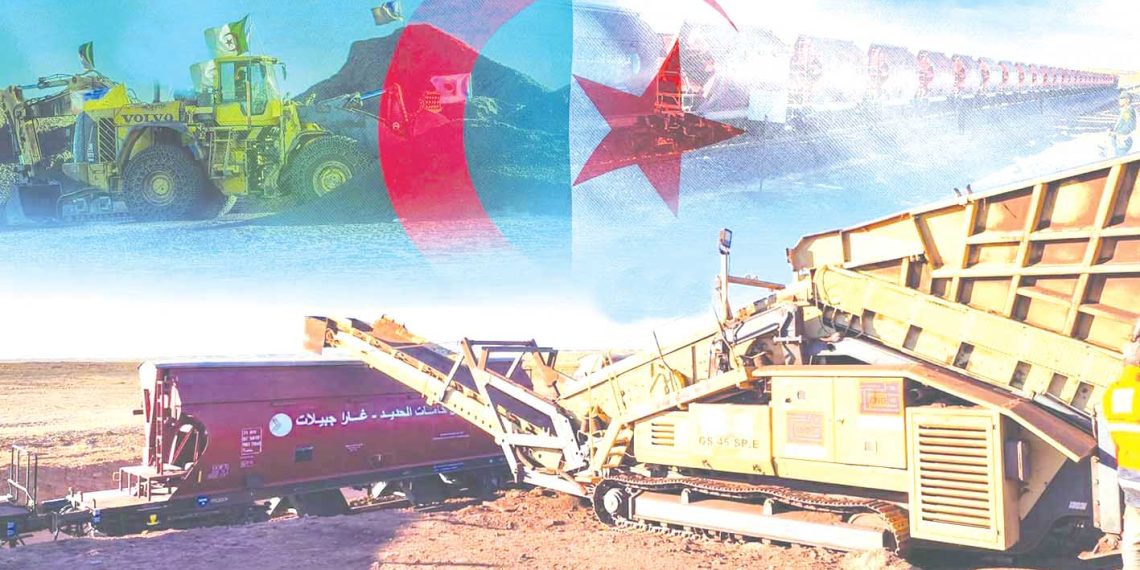
Over the past five years, Algeria, guided by President Abdelmadjid Tebboune, has significantly prioritized the development of its national industrial sector, recognizing it as a key pillar of the new economy and a driver of comprehensive economic development. This strategic focus has led to tangible achievements, boosting the production and African and international competitiveness of various industrial branches. Souad Beroual, President of the Algerian Federation for Development and Joint Economic Cooperation, highlighted that the national economic cycle is rapidly evolving, contributing to the creation of a value-added institutional industrial fabric, generating employment opportunities, and progressively decreasing import expenditures. She underscored the Ministry of Industry's crucial role in this process, actively engaging with industrial enterprises and addressing their concerns to foster the growth of the local industrial ecosystem.
A core component of this strategy involves transforming the recovery of confiscated assets into a robust industrial policy, rather than merely a temporary solution for stalled facilities. This approach is exemplified by the successful re-activation of the brake pad and accessories production plant in Reghaïa. According to Beroual, this initiative is not just about restarting a facility but carries profound economic and strategic significance, as it converts previously idle assets into productive entities that actively contribute to the national economy, wealth creation, and job provision. This step is pivotal for promoting local industrial subcontracting, particularly within the automotive components sector, which forms the foundation of a true mechanical industry. Increased local integration directly translates to higher value retention within Algeria's economy and reduces the need for hard currency imports for spare parts.
Algeria's ambition extends beyond merely substituting imports. The long-term vision aims to elevate production to competitive quality standards, positioning these projects as a future base for exporting automotive components to African markets. Beroual stressed that this transformation is designed to establish national industry as a significant source of value-added and foreign currency, shifting Algeria's role from solely a domestic consumer market to a dynamic and competitive player on the continental and global stages. The success of such initiatives reinforces the message that asset recovery marks the beginning of a new phase focused on restoring production, investment, job creation, and added value, thereby building a more productive, integrated, and sovereign economy capable of competing internationally.