Algeria’s Aquaculture Production Soars, Bolstering Food Security and Economic Diversification
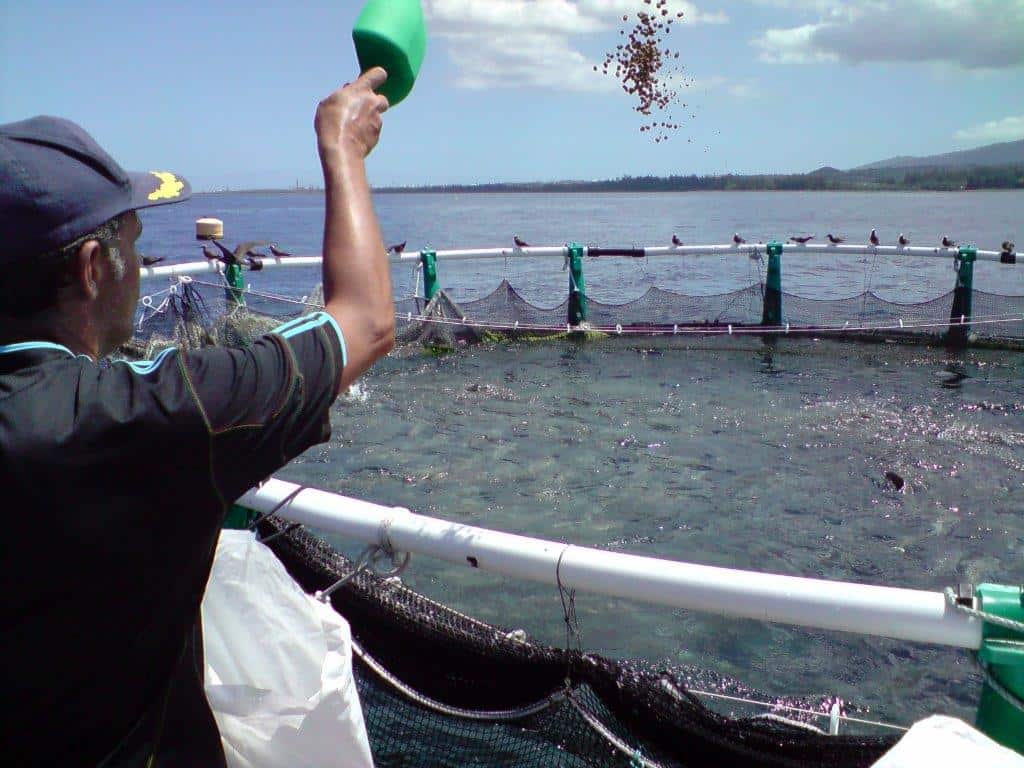
Algeria has achieved a notable increase in its national aquaculture production, which multiplied by 5.2 over nine years, from 1,327 tonnes in 2015 to 6,935 tonnes in 2024. This significant performance is described as a "success story" in the National Voluntary Report presented to the United Nations in 2026. This progression is attributed by public authorities to the implementation of the National Aquaculture Development Strategy, alongside the structuring of new sectors, professional training, and the modernization of port infrastructure. Emerging sectors, including freshwater fish and crustaceans, have notably contributed to this expansion, signaling a substantial shift in the sector's scale.
This dynamic growth in aquaculture is integral to Algeria's broader agricultural policy, particularly its focus on food security. The sector plays a crucial role in diversifying animal protein sources without proportionally increasing pressure on marine halieutic resources. While traditional fishing production remains stable at around 105,000 tonnes annually due to prudent resource management, including modernized fleets and strict controls against illicit fishing, aquaculture offers a supplementary avenue to meet food demands sustainably. Looking ahead, authorities aim to maintain this momentum, targeting a production of 30,000 tonnes by 2030, an objective deemed "within reach" by the National Voluntary Report.
Beyond food production, aquaculture is a pillar of Algeria's emerging "blue economy," which encompasses sustainable fishing, coastal tourism, ecotourism, and maritime logistics. This comprehensive approach seeks to enhance the value of marine and coastal resources while diversifying related economic activities. Algeria actively manages its over 1,600 kilometers of Mediterranean coastline through an integrated coastal zone management policy, balancing economic development with ecosystem protection. The National Coastal Commission, for instance, monitors water quality and coordinates coastal policies, utilizing a sophisticated geographic information system. Furthermore, the nation demonstrates a strong commitment to marine preservation, with marine protected areas covering 15.15% of Algerian coastal waters in 2024, aspiring to reach 20% by 2030. This strategy is supported by significant state investment in the agricultural sector, which accounted for 8% of the total state budget in 2023, with 965.669 billion dinars in commitment authorizations.