Independence 1962 Marked Sovereignty Regained, Not Birth
The assertion that Algeria originated in 1962 is historically inaccurate. This date signifies the recovery of independence following 132 years of French colonization, rather than the inception of a nation without a past. Algeria's historical trajectory is characterized by an ancient continuity, spanning from antiquity through the War of Liberation. This deep history demonstrates that the country did not suddenly appear in the twentieth century, but rather reclaimed its long-held sovereignty after a prolonged colonial interlude.
The land that constitutes modern Algeria was shaped by various historical epochs and civilizations. It was home to Berber Kingdoms, notably Numidia, and subsequently influenced by Carthaginian, Roman, Vandal, Byzantine, and Arab-Muslim cultures. The region later experienced local dynasties before entering the period of the Regency of Algiers under Ottoman sovereignty, which lasted from 1516 until 1830. This rich historical tapestry underscores the nation's profound roots.
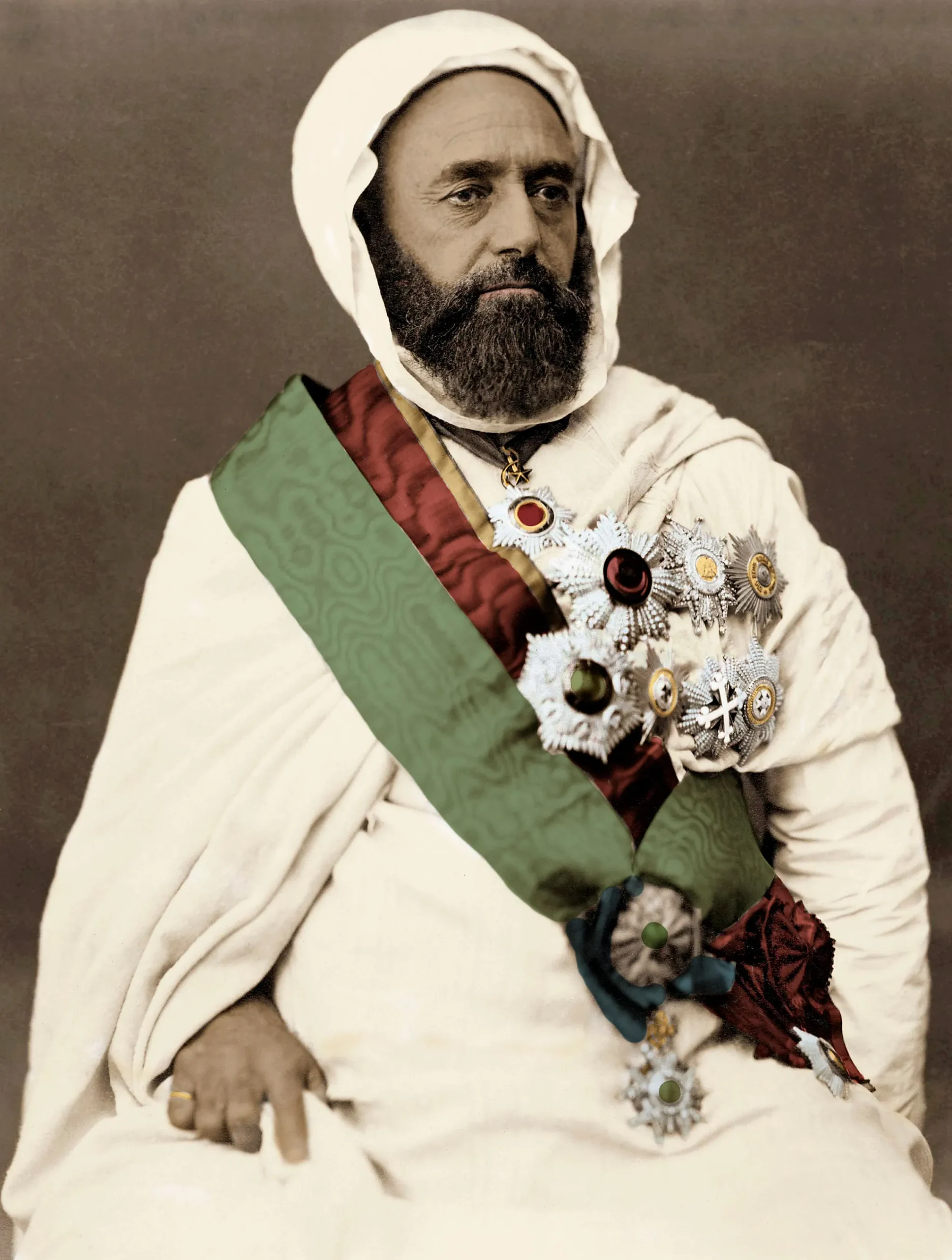
The French conquest began in 1830 with the landing at Sidi Fredj and the capture of Algiers. Resistance against this occupation was immediate, notably led by Emir Abdelkader, whose authority was recognized across several regions until 1847. Following a period of military, administrative, and political domination that profoundly altered the territory, the National Liberation Front (FLN) initiated the Algerian Revolution on November 1, 1954. This eight-year conflict culminated in the signing of the Evian Accords on March 18, 1962, which paved the way for self-determination.
The referendum on July 1, 1962, overwhelmingly confirmed independence, which France formally recognized on July 3. The official proclamation of independence occurred on July 5, 1962. This date represents Algeria's liberation and the recovery of its independence, sovereignty, and national voice, rather than the establishment of a new nation. Reducing Algeria to this single date would be to disregard centuries of its history, resilience, and the succession of its various states.