National Water Transfer Network Deployment Gains Momentum
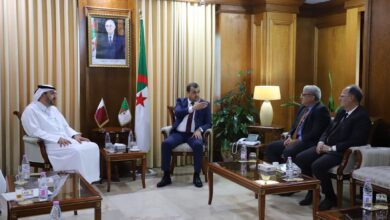
Algeria is accelerating the deployment of a vast national water transfer network, known as the "grand maillage hydrique," to consolidate the country's long-term water security. This initiative marks a new phase in the policy for securing drinking water supply, moving beyond mere production to ensure distribution to areas hundreds of kilometers from the coast. A working meeting, chaired by Minister of Hydraulics Lounès Bouzegza, recently reviewed the progress of technical and administrative preparations, alongside the advancement of work on various transfer stations and infrastructures.
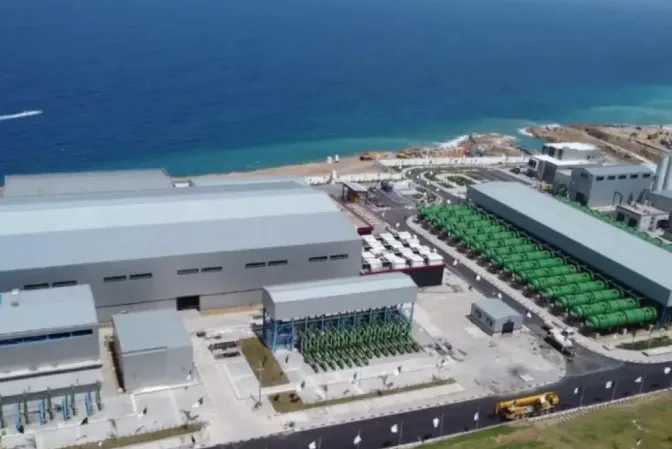
The network involves linking new desalination plants, each with a capacity of 300,000 cubic meters per day, to extensive distribution systems designed to serve multiple inland wilayas. For instance, the Tlemcen desalination plant will supply Tlemcen, Sidi Bel-Abbès, Saïda, and Naâma through a 727-kilometer network. Similarly, the Chlef plant is set to serve Chlef, Aïn Defla, Médéa, and Tissemsilt via a 435-kilometer network, while the Mostaganem plant will deliver water to Mostaganem, Relizane, Tiaret, and Tissemsilt through a 317-kilometer system. These extensive connections underscore a shift in strategy, enabling desalinated water from the coast to become a critical resource for interior regions.
Significant progress is evident across several projects, including the completed and operational connection of the Fouka 2 desalination plant to Blida. The Koudiet Draouch plant in El-Tarf is largely realized, strengthening water supply for El-Tarf and Annaba, with cleaning and disinfection ongoing for gradual commissioning of remaining sections, including Guelma. Other key developments include the connection of the Koudiat Acerdoune system to the Cap Djinet 2 desalination plant in Boumerdès, which aims to reinforce continuous water supply for Bouira, Tizi Ouzou, M'Sila, and Médéa. Progress is also being made on the Tighremt desalination plant in Béjaïa, with most infrastructures complete and operational, alongside continued work to enhance supply for parts of Sétif, Bouira, and Bordj Bou Arréridj. Additionally, the construction of a new 60,000 cubic meters per day desalination plant at Tamda Ouguemoun in Iflissen, Tizi Ouzou, is underway to serve 11 communes in the northern wilaya, with the Minister of Hydraulics emphasizing accelerated work and adherence to contractual deadlines.
This water transfer strategy extends beyond the coastal-interior axis, encompassing broader resource security initiatives such as the strategic South-South water transfer project. This project aims to reinforce and secure long-term water supply for southern territories, including Tindouf, Béchar, and Béni Abbès, stretching towards the Gara Djebilet area. The overarching goal is to progressively establish a national water network capable of mobilizing, transferring, and distributing resources according to regional needs, thereby addressing immediate citizen requirements, anticipating future demand, and ensuring the system's resilience against climatic challenges.