Minister Krikou Underscores Algeria’s Ozone, Climate Commitments
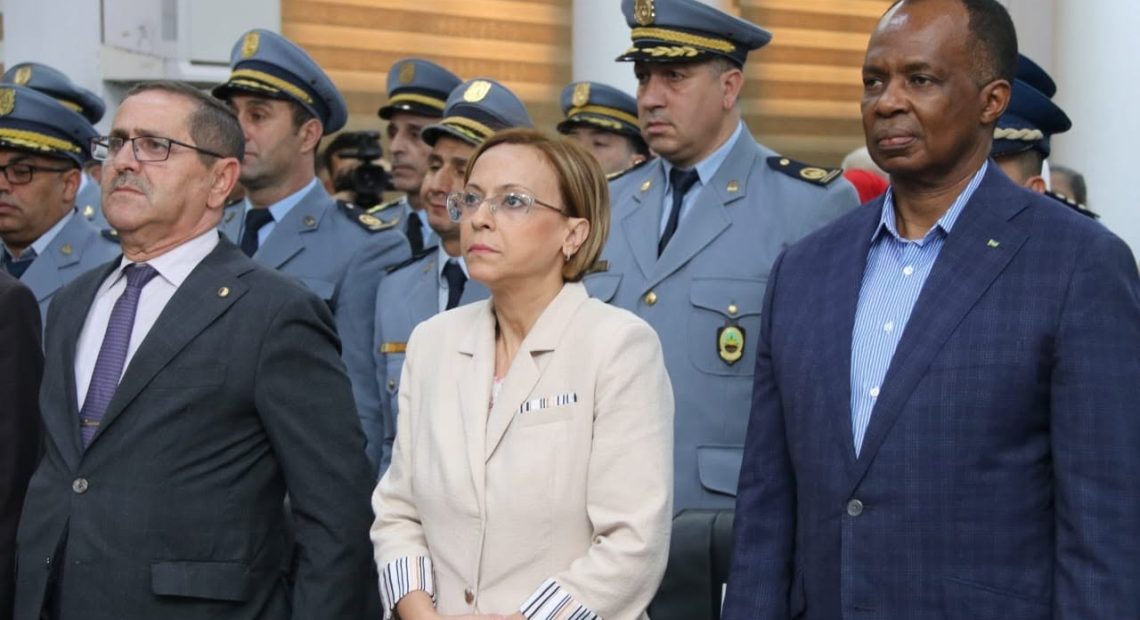
Minister of Environment and Quality of Life, Kaouthar Krikou, recently presided over an information day in Algiers, held in observance of the International Day for the Preservation of the Ozone Layer. The event, celebrated annually on September 16, adopted the theme “Global Action for a Cooler Planet.” Its primary objective was to underscore Algeria’s climate commitments and illuminate the intrinsic link between ozone layer protection and national climate action, while also highlighting the country’s ongoing efforts in this critical environmental domain. Representatives from various national sectors, relevant bodies, and United Nations organizations accredited in Algeria attended the proceedings, emphasizing the collaborative nature of these initiatives.
Discussions during the information day focused on Algeria’s diverse commitments in climate action, particularly detailing the Nationally Determined Contribution (NDC) that is set to be filed in June 2026 at the headquarters of the Framework Convention on Climate Change. This NDC is recognized as a key reference for national climate action, reflecting Algeria’s ambitious goals. It outlines specific priorities and measures designed to curb greenhouse gas emissions and bolster the nation’s capacity to adapt to the impacts of climate change, all while carefully balancing national development priorities and socio-economic requirements with the mechanisms of the national climate adaptation plan.
A significant part of the event highlighted the practical aspects of environmental protection, including the vital role of customs authorities and specialized laboratories. Their work involves implementing control mechanisms for imported products and materials, ensuring strict compliance with regulatory standards. This proactive approach directly contributes to safeguarding both the environment and public health. Furthermore, the National Observatory for Environment and Sustainable Development presented its contributions to monitoring, scientific analysis, and understanding factors affecting the ozone layer. An accompanying exhibition showcased national initiatives, experiences, and efforts from various participating sectors related to product and material control, demonstrating concrete steps towards ozone layer preservation. The gathering concluded with a series of recommendations aimed at strengthening monitoring and oversight mechanisms, developing technical capabilities, and enhancing inter-sectoral coordination.