Jamal Hajji’s Book Illuminates Algeria-Tunisia Liberation Struggle Ties
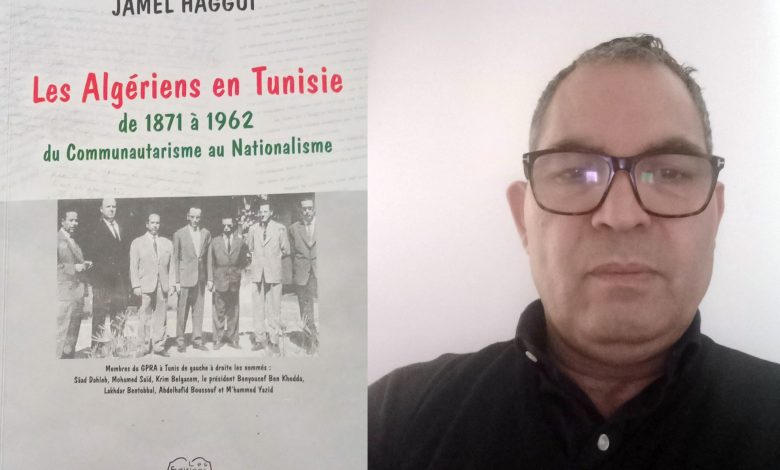
Tunisian historian Jamal Hajji's latest book, titled "Algerians in Tunisia, from 1871 to 1962: From Factionalism to Nationalism" and published in February 2026, sheds light on the significant historical presence of Algerians in Tunisia. Hajji's work redirects historical attention towards Algerian migration, a subject previously under-researched by historians who largely focused on European communities in colonial Tunisia. The book meticulously details the diverse Algerian community residing in Tunisia, tracing the origins and developments of these migratory movements and their impact.
Hajji's study emphasizes the deep history of mutual interactions and support between Tunisia and Algeria. Tunisia served as a crucial strategic depth for the Algerian Revolution, with strong institutions of the revolution established on its territory. In turn, the Algerian Revolution played a role in enriching and strengthening the experience of the young, independent Tunisian state. The period covered, starting in 1871, coincides with the Mokrani uprising, which significantly intensified Algerian migration to Tunisia, establishing a vibrant community that became the third largest foreign group after the French and Italians, and the foremost Muslim foreign community.
The book further explores how a distinct political awareness and national sentiment emerged within this diverse Algerian diaspora. Algerians played an important role in various sectors of the Tunisian economy, often in demanding professions, from agriculture to mining and infrastructure projects. These shared experiences, coupled with social and professional integration, facilitated the gradual transcendence of narrow regional affiliations. This process contributed significantly to the awakening of a broader Algerian national consciousness, a development linked to the rise of national movements across North Africa and the colonial world.