Algeria Refuses to Vote on MINURSO Resolution, Citing Insufficient Self-Determination Emphasis
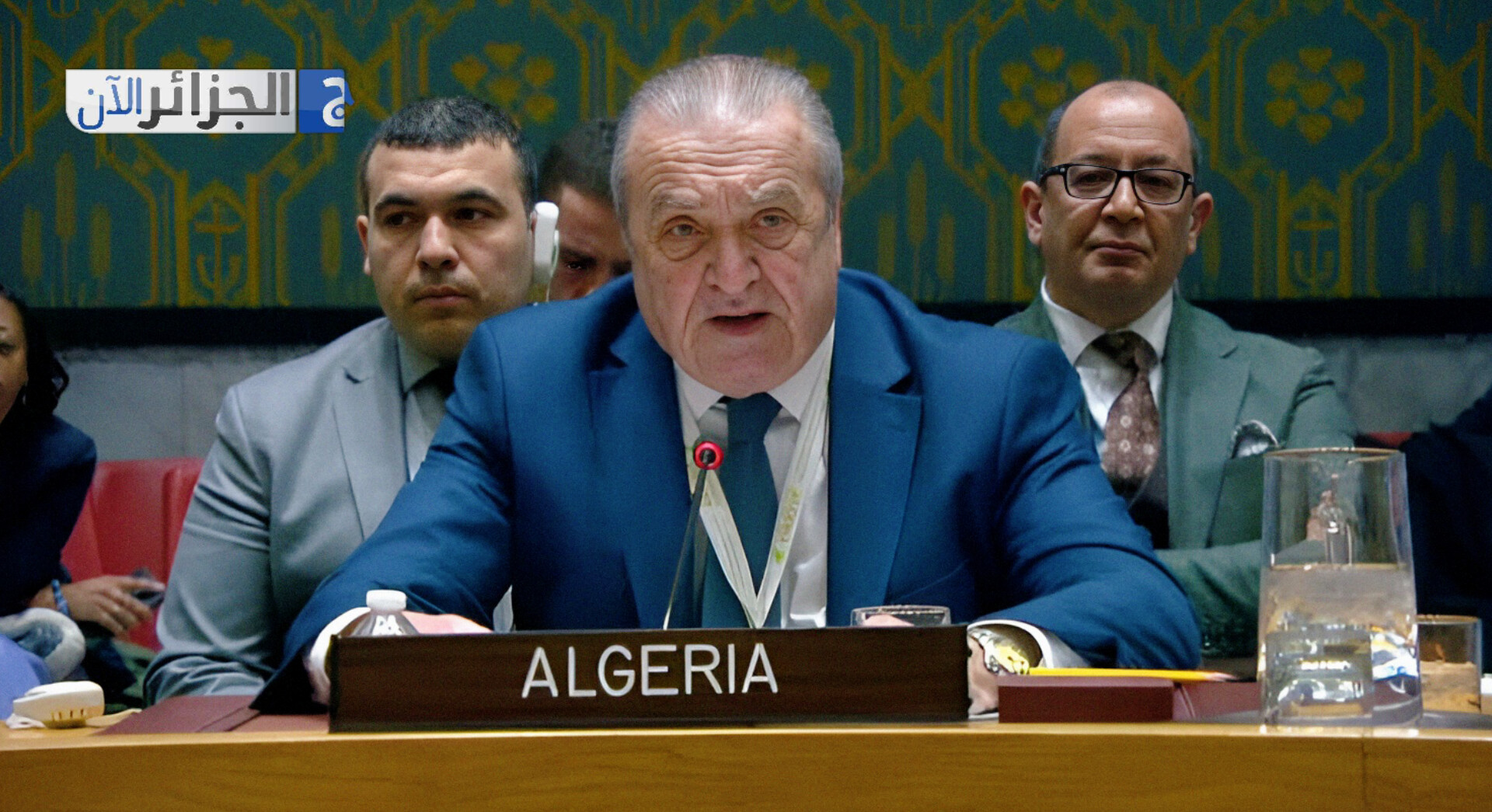
Algiers – Algeria has elected to abstain from voting on the United Nations Security Council resolution concerning the renewal of the mandate for the United Nations Mission for the Referendum in Western Sahara (MINURSO). The decision, announced Friday, stems from Algeria’s assessment that the resolution’s text falls short of upholding international principles of decolonization and fails to adequately acknowledge the Sahrawi people’s right to self-determination, a cornerstone of Algeria’s foreign policy. Algiers views the Polisario Front as the legitimate representative of the Sahrawi people.
The move follows intense diplomatic engagement by Algeria in recent days, involving negotiations spanning Algiers, New York, and Washington D.C. These efforts aimed to amend the original draft of the resolution, initially proposed by the United States, which serves as the “penholder” on this critical issue within the Security Council. Algeria sought to rebalance the text to better align with UN principles and the inalienable rights of peoples to determine their own future.
According to sources within the Algerian government, the initial draft resolution exhibited a pro-Moroccan bias. However, Algerian diplomacy successfully steered the revised text towards a more balanced and objective stance. The final version emphasizes that any viable political solution must be mutually acceptable to all parties involved and grounded in the principles of international law and the UN Charter. Critically, it should facilitate the Sahrawi people’s exercise of their right to self-determination through a fair and transparent process.
The resolution also reaffirms the pivotal role of MINURSO in supporting the efforts of the UN Secretary-General’s Personal Envoy in achieving a peaceful resolution to the decades-long conflict. Furthermore, it renews MINURSO’s mandate for a full year, a significant improvement from the initial proposal of a mere three-month extension. This extension is viewed by Algerian officials as a diplomatic achievement, providing greater stability and continuity for the UN mission’s work in the region.
Significant alterations were made to the language of the resolution following Algerian diplomatic intervention. Notably, references to the Moroccan autonomy plan, previously described as a “serious, credible, and realistic” proposal, were amended. The revised text now presents the Moroccan plan as merely one option among several potential solutions that could be considered within the UN-led negotiation framework. This shift, according to diplomatic sources, signifies a crucial change in the international perspective on the Western Sahara dispute. It reinforces the fundamental principle that the Sahrawi people possess the inalienable right to self-determination, a right that cannot be compromised or dismissed.
The Algerian Press Service (APS) reported that Algeria successfully persuaded several Security Council member states to exert pressure on the United States to modify the contentious language. This diplomatic maneuver is indicative of Algeria’s commitment to upholding international law and defending the rights of oppressed peoples worldwide.
For more information about Algeria, check our dedicated section.
Algeria’s decision to abstain from the vote underscores its unwavering commitment to its sovereign decision-making and its refusal to yield to external pressure. As stated by the Algerian Press Service, Algeria “will not succumb to any pressure or compromises, regardless of their source.” The country remains steadfast in its support for just causes of liberation, with the Western Sahara issue holding particular importance. Algeria views its support for the Sahrawi people as a natural extension of its own history of liberation and its deeply rooted diplomatic principles.
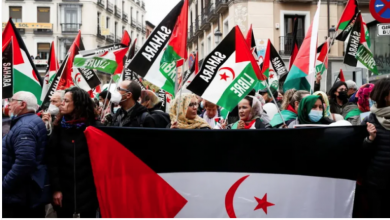
The Western Sahara dispute is a long-standing conflict rooted in the decolonization of the territory formerly known as Spanish Sahara. Morocco claims sovereignty over the territory, while the Polisario Front, backed by Algeria, seeks independence for the Sahrawi people. The MINURSO mission was established in 1991 to monitor a ceasefire between Morocco and the Polisario Front and to organize a referendum on self-determination for the Sahrawi people. However, the referendum has yet to be held due to disagreements over voter eligibility.
Algeria’s decision to abstain reflects its deep-seated concerns that the Security Council resolution, in its current form, does not adequately address the core issue of self-determination. Algiers argues that a lasting and peaceful resolution to the conflict can only be achieved through a genuine and credible process that allows the Sahrawi people to freely exercise their right to choose their own future. The country has consistently advocated for direct negotiations between Morocco and the Polisario Front, under the auspices of the United Nations, to reach a mutually acceptable political solution.
Looking ahead, Algeria is expected to continue its active diplomatic engagement on the Western Sahara issue, working with other UN member states and international organizations to promote a just and lasting resolution. Algiers remains committed to upholding international law and defending the rights of the Sahrawi people to self-determination, viewing this as a fundamental principle of its foreign policy and a cornerstone of its commitment to a just and equitable world order. The decision not to vote on the resolution serves as a clear signal of Algeria’s determination to stand by its principles and to continue advocating for a solution that respects the rights and aspirations of the Sahrawi people above all else. The Algerian government has reaffirmed its commitment to providing humanitarian assistance to Sahrawi refugees residing in camps near Tindouf, further highlighting its long-standing solidarity with the Sahrawi people. The situation in Western Sahara remains a complex and challenging one, but Algeria’s unwavering commitment to self-determination offers a beacon of hope for a peaceful and just resolution.