Algeria Rejects UN Resolution on Western Sahara, Citing Bias and Self-Determination
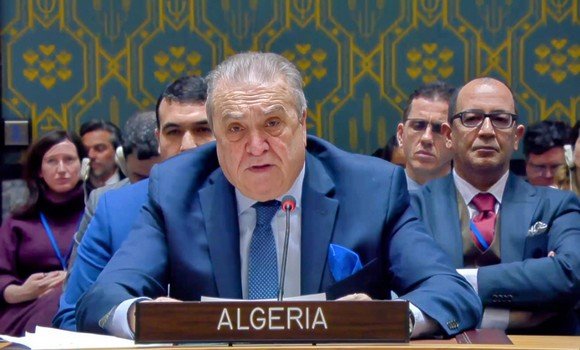
Algeria has voiced strong objections to the latest United Nations Security Council resolution concerning the Western Sahara dispute, arguing that the text deviates from fundamental UN principles regarding decolonization and fails to adequately address the Sahrawi people’s right to self-determination. This criticism was delivered by Amar Bendjama, Algeria’s Permanent Representative to the United Nations, during a recent Security Council session dedicated to the issue.
Bendjama stated that Algeria “chose, with full responsibility,” to distance itself from the resolution’s final text because it did not reflect the core tenets of international law pertaining to decolonization. He questioned the need to reiterate these “obvious truths,” invoking the words of former US President Woodrow Wilson: “We cannot hand a people from sovereignty to sovereignty.” The Algerian representative emphasized that the right to self-determination is not merely a slogan but a fundamental principle of UN action, requiring unwavering respect as a guarantee for any just settlement.
According to Bendjama, Algeria engaged in negotiations regarding the American-drafted resolution with “sincere intentions,” and he expressed gratitude to Washington for its efforts to improve the document. However, he asserted that the final version fell short of expectations, failing to accurately represent the existing realities on the ground or maintain a balanced perspective between the conflicting parties.
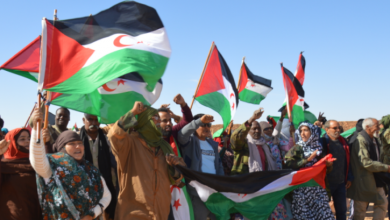
Bendjama pointedly accused the resolution of leaning towards the Moroccan viewpoint while neglecting the aspirations of the Sahrawi people, who have been struggling for freedom and independence for over five decades. He further criticized the document for not adequately considering the Polisario Front, the Sahrawi Arab Democratic Republic’s liberation movement and main political body, raising serious legal questions about the foundation upon which the proposed negotiation framework was built.
The Algerian ambassador highlighted concerns about the imbalance within the resolution, arguing that it prioritizes the ambitions of one party over the other and overlooks the legal foundation represented by the Polisario Front as a directly involved party in the conflict. He stressed that this omission raises significant legal and legitimacy issues concerning the credibility of the proposed negotiation process.
“A fair and lasting solution,” Bendjama asserted, “can only be achieved through the inalienable right of the people of Western Sahara to self-determination.” He described this principle as the “sole guarantee” for stability and justice in the region. He expressed regret that the “penholder” state, despite good intentions, was unable to overcome the objections of certain parties to introduce necessary legal amendments.
For more information about Algeria, check our dedicated section.
Bendjama also alluded to the “Trump initiative,” which he said had initially generated “interest and hope” but ultimately failed to launch a balanced political process. While he didn’t specify which initiative, it is widely understood to be a reference to the previous US administration’s recognition of Moroccan sovereignty over Western Sahara, a move that has complicated the already protracted conflict.
Algeria has long maintained its position as a supporter of self-determination for the Sahrawi people, advocating for a referendum in which they can freely decide their future. This stance has often put Algeria at odds with Morocco, which claims sovereignty over the disputed territory. The Western Sahara conflict has been a source of regional tension for decades, with the Polisario Front waging a long struggle for independence.
The Security Council resolution in question, while aiming to facilitate a political solution, has clearly failed to garner universal support. Algeria’s rejection highlights the deep divisions and complexities surrounding the issue. The resolution likely calls for a continuation of the UN peacekeeping mission, MINURSO, and encourages renewed negotiations between Morocco, the Polisario Front, Algeria, and Mauritania. However, without addressing the core issue of self-determination, a lasting solution remains elusive.
In closing, Bendjama reiterated Algeria’s commitment to the peaceful resolution of disputes in accordance with the UN Charter, emphasizing that Algeria remains ready to engage in any negotiations that respect the principles of fairness, impartiality, and justice. He underscored Algeria’s belief that a final settlement of the Western Sahara issue is only possible through respecting the will of the Sahrawi people and their legitimate right to self-determination, urging the Security Council to fulfill its historical responsibilities in this long-standing matter.
This latest statement from Algeria at the UN underscores the continued importance of the Western Sahara issue on the international stage and highlights the significant challenges in finding a resolution that satisfies all parties involved. The dispute remains a major obstacle to regional stability and cooperation, and Algeria’s unwavering support for self-determination suggests that a breakthrough is unlikely without a renewed commitment to addressing the fundamental rights of the Sahrawi people. The future of Western Sahara remains uncertain, with the need for a just and lasting resolution more pressing than ever.