Trinidad and Tobago Raises Alert Level Amid Rising US-Venezuela Tensions in Caribbean
Port of Spain – The twin-island nation of Trinidad and Tobago has placed its armed forces on high alert and recalled personnel to base, amidst escalating tensions between the United States and neighboring Venezuela. The move comes as the US military presence in the Caribbean has increased significantly in recent weeks, sparking regional concerns about potential intervention.
A message circulated to Trinidad and Tobago Defence Force (TTDF) personnel, and also reportedly to police forces, and reviewed by news agencies, stated: “Effective immediately, the Trinidad and Tobago Defence Force is placed on heightened alert. All personnel are to report to their respective bases.” Further, law enforcement agencies have reportedly cancelled all leave for officers, signaling a comprehensive mobilization. The news has triggered a degree of panic buying in Port of Spain, with residents stocking up on essential food supplies and fuel, reflecting anxieties about potential regional instability.
The heightened alert follows a series of reported US military actions in the Caribbean Sea targeting vessels suspected of drug trafficking. American media outlets have even suggested that Washington is considering potential ground strikes inside Venezuela. While these reports remain unconfirmed, the overall climate of increased US military activity has undeniably raised concerns in Trinidad and Tobago, given its geographical proximity to both the US and Venezuelan spheres of influence.
The Trinidad and Tobago government has attempted to reassure its citizens, issuing a statement indicating that it is in “close communication with the United States Embassy in Port of Spain and, according to the information received, there is no cause for alarm.” However, the move to raise the alert level suggests that the government is taking the situation seriously and preparing for any eventuality.
Adding to the complexity of the situation, US President Donald Trump stated on Friday that he was not currently considering military strikes against Venezuela. This statement came after weeks of speculation fueled by the increased US military presence in the region, with Venezuela fearing a potential regime change operation.
Echoing President Trump’s sentiment, US Senator Marco Rubio, a vocal critic of the Venezuelan government, dismissed reports in the Miami Herald suggesting that US forces were preparing to strike targets within Venezuela. Rubio stated on social media that the newspaper’s sources were providing misleading information and that the article was inaccurate. “Your sources claiming inside knowledge misled you and led you to write a misleading article,” he posted.
For more information about Culture, check our dedicated section.
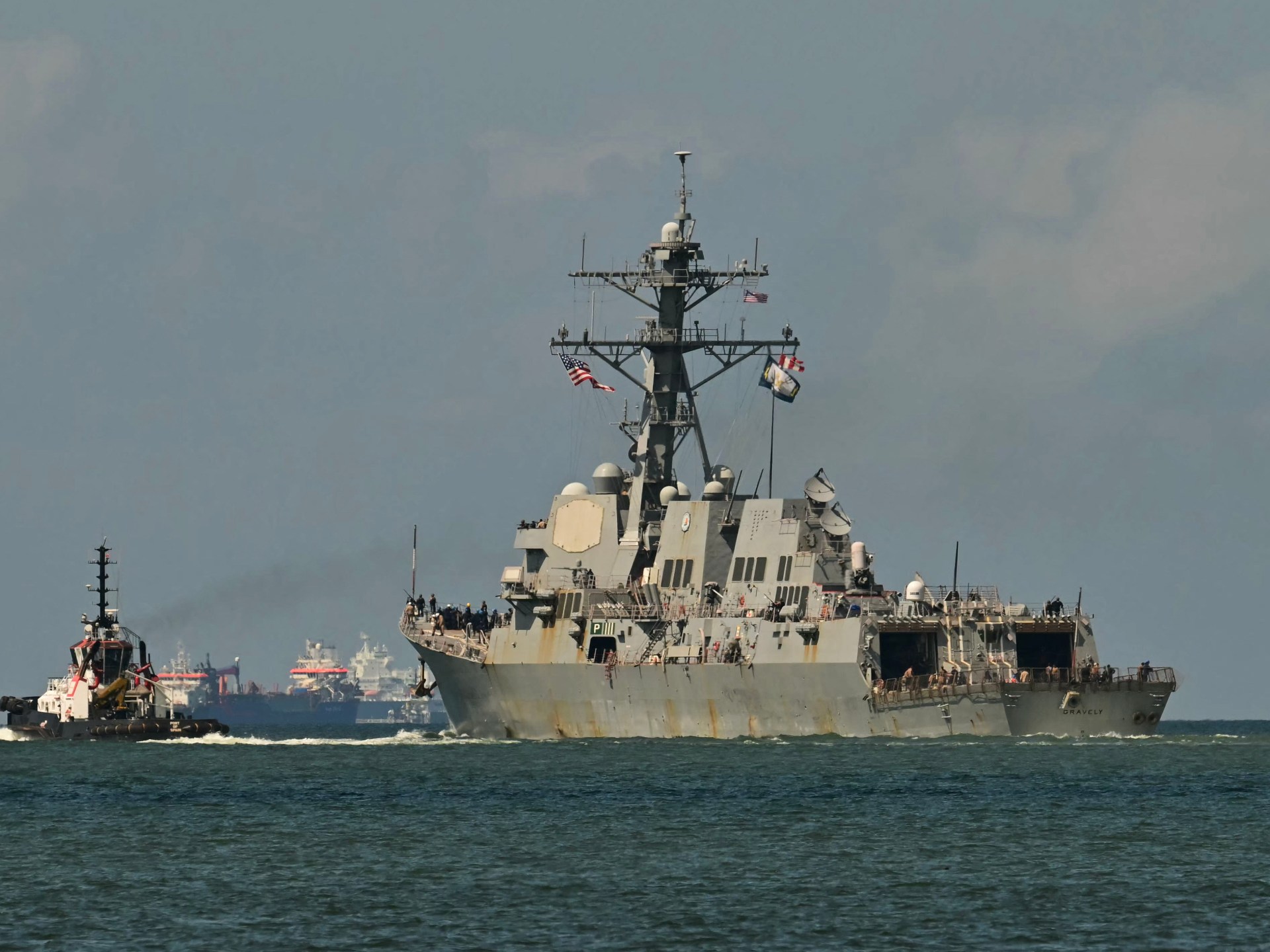
Despite these assurances from Washington, the US military has been actively conducting air strikes in the Caribbean since early September, purportedly targeting vessels involved in drug smuggling. These operations have reportedly resulted in the deaths of dozens of individuals. According to some reports, at least 62 people have been killed so far in these operations. The US has deployed a significant naval force to the region, including eight warships, F-35 fighter jets stationed in Puerto Rico, and a large aircraft carrier reportedly en route to the area. The USS Gravely, an Arleigh Burke-class destroyer, was recently seen departing from a port in Trinidad and Tobago, further highlighting the increased US naval activity in the region.
Venezuelan President Nicolas Maduro, whose legitimacy is disputed by the United States and many other countries, has accused Washington of using the pretext of combating drug trafficking as a cover for a broader agenda of regime change in Caracas and the seizure of Venezuela’s vast oil reserves. Maduro’s government has repeatedly condemned the US military presence in the Caribbean as a threat to regional stability and a violation of international law.
Trinidad and Tobago’s position is particularly delicate, as it maintains economic and diplomatic ties with both the United States and Venezuela. The country relies heavily on energy exports, and Venezuela is a significant partner in the energy sector, particularly through joint ventures in natural gas production. Simultaneously, Trinidad and Tobago has historically enjoyed close relations with the United States, which is a major trading partner and source of investment.
The current crisis highlights the challenges faced by small island nations in the Caribbean, which are often caught between the competing interests of larger powers. Trinidad and Tobago’s decision to raise its alert level reflects the growing sense of unease in the region over the potential for conflict between the United States and Venezuela. The government’s priority will be to protect its citizens and safeguard its national interests in a volatile and unpredictable environment. The situation remains fluid, and DZWatch will continue to monitor developments closely and provide updates as they become available. The country’s response will be crucial in maintaining stability within its borders and navigating the complex geopolitical landscape of the Caribbean. The coming days will be critical in determining whether the tensions can be de-escalated and a peaceful resolution found. The people of Trinidad and Tobago, like many in the region, are hoping for a swift return to normalcy and a de-escalation of the situation that avoids further conflict and instability.