Israeli Poll: Majority Fear Political Assassination, See US Hand in Gaza Operations
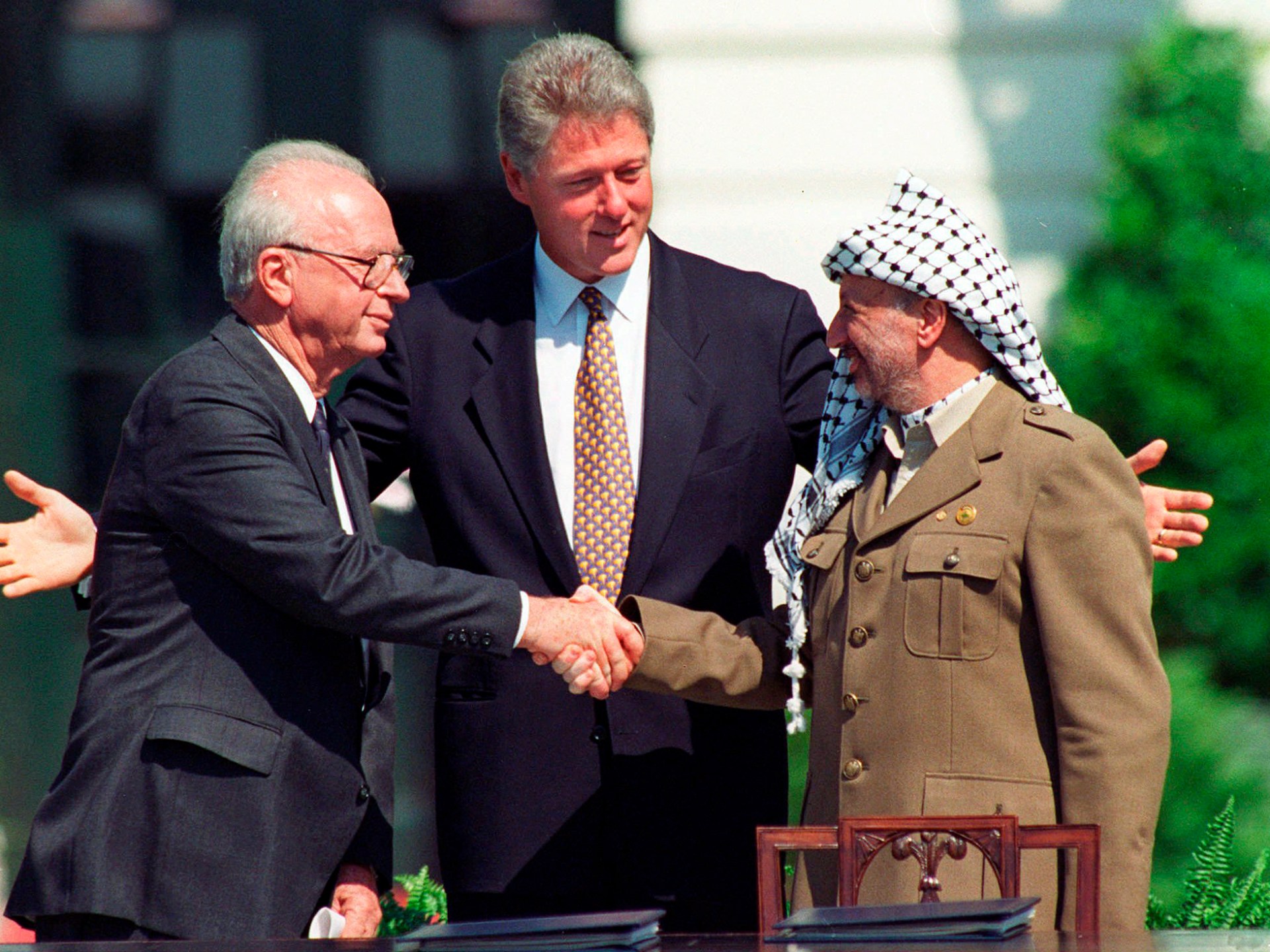
Thirty years after the assassination of Prime Minister Yitzhak Rabin, a significant majority of Israelis fear a repeat of political violence, according to a recent poll. The survey also reveals widespread perceptions of American influence over Israeli military operations in the Gaza Strip, despite the ceasefire that went into effect on October 10, 2025. The poll, conducted by Israel’s Channel 12 in collaboration with the Midgam Institute, found that 67% of Israelis believe another political assassination similar to Rabin’s is a distinct possibility. This sentiment is heightened by the upcoming 30th anniversary of Rabin’s death on November 4, 1995. On that day, right-wing extremist Yigal Amir fatally shot Rabin three times in the back as he left a peace rally in Tel Aviv. Only 17% of Israelis expressed no concern about a recurrence of such an event, while 16% remained undecided.
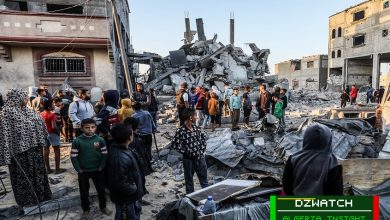
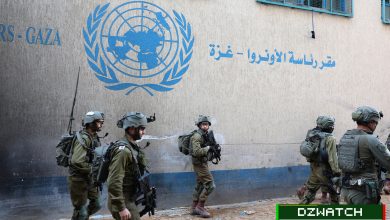
The poll also delved into public opinion regarding the ongoing military operations in Gaza. A striking 67% of respondents believe the United States is the primary decision-maker regarding these operations. Only 24% believe Israel controls its military actions in Gaza. The poll further indicated that 69% of Israelis feel Tel Aviv is now under American “guardianship,” with 23% strongly agreeing with this assessment. The remaining 8% either declined to answer or expressed no opinion. This perception of US influence underscores the complex dynamics shaping Israeli foreign and military policy, particularly in the context of the Israeli-Palestinian conflict. The findings suggest a significant portion of the Israeli public believes their government’s autonomy is constrained by its close alliance with the United States.
Beyond security concerns, the poll also addressed the contentious issue of mandatory military service for ultra-Orthodox Jews (Haredim). A majority, 51%, of Israelis support stripping voting rights from Haredim who refuse to serve in the military, while 42% oppose such a measure. The Haredim community, which constitutes approximately 13% of Israel’s 10 million citizens, has historically been exempt from mandatory military service, arguing that their dedication to Torah study is a vital contribution to the nation. They also express concerns that integration into secular society would threaten their religious identity and community cohesion.
For more information about Palestine, check our dedicated section.
The issue of Haredi conscription has been a long-standing source of tension within Israeli society. The Supreme Court’s decision on June 25, 2024, mandating Haredi conscription and prohibiting financial aid to religious institutions whose students refuse to serve, has further fueled protests and deepened the divide. Prominent rabbis, whose pronouncements carry significant weight within the Haredi community, have called for resistance to military service, even advocating the destruction of conscription notices. The Israeli opposition accuses Prime Minister Benjamin Netanyahu of attempting to pass legislation that would exempt Haredim from military service, in response to demands from the Shas and United Torah Judaism parties. These parties reportedly withdrew from the government earlier this year but are poised to rejoin once a law fulfilling their demands is enacted. The controversy surrounding Haredi conscription highlights the ongoing struggle to balance religious freedom with the principle of equal civic duty in Israel.
The shadow of Yitzhak Rabin’s assassination continues to loom large over Israeli society, shaping perceptions of political stability and security. The assassination, carried out by a Jewish extremist opposed to Rabin’s peace efforts with the Palestinians, remains a traumatic event in Israeli history, and the poll suggests that fears of similar acts of political violence persist. The perceived influence of the United States on Israeli military operations in Gaza also raises questions about Israel’s sovereignty and decision-making autonomy. These findings, coupled with the ongoing debate over Haredi conscription, underscore the complex and often contradictory forces shaping Israeli society and politics today. The confluence of these issues – security anxieties, perceived external influence, and internal divisions – presents significant challenges for Israel’s leadership as it navigates a turbulent regional landscape and seeks to maintain social cohesion. The poll serves as a stark reminder of the fragility of political stability and the enduring legacy of political violence in Israel, as well as the strong influence the US exerts on Israel’s internal and external affairs. The results concerning mandatory military service reflect a growing divide between the secular and religious populations, threatening to further destabilize the political landscape. The ongoing protests and political maneuvering surrounding this issue highlight the difficulty of finding a solution that satisfies all parties involved and maintains social harmony. The fact that a majority of Israelis believe the US holds significant power over military decisions in Gaza could weaken trust in the government, potentially leading to further social and political unrest.