Egyptian Actor’s Revelation: Algeria’s Secret Role in Protecting Cairo During 1967 War
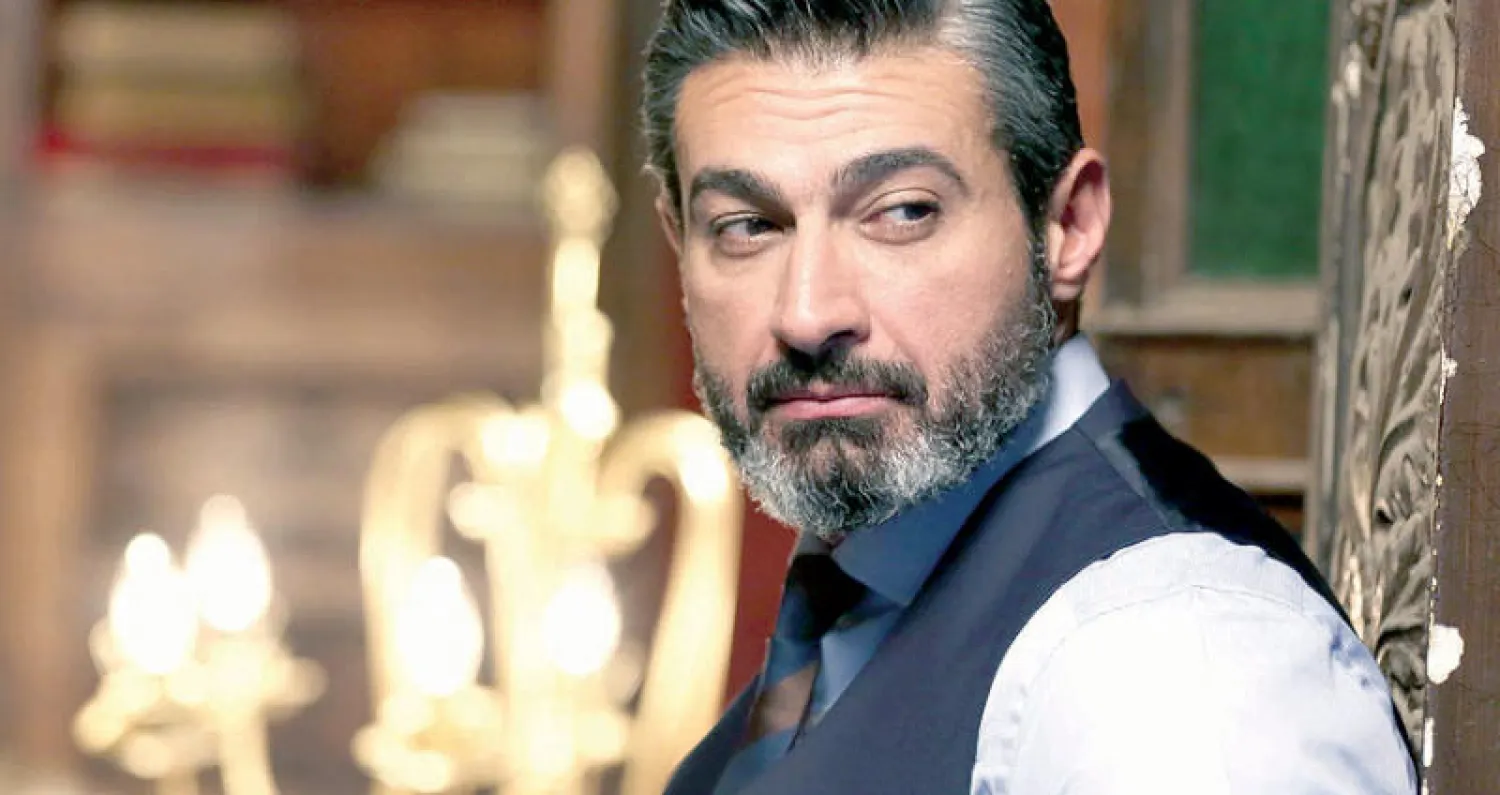
A recent revelation by prominent Egyptian actor and Senator, Yasser Galal, has ignited a firestorm of discussion regarding Algeria‘s previously understated role in the 1967 Arab-Israeli War. Speaking at an awards ceremony held in Oran, Algeria, Galal disclosed details he claimed were largely unknown, highlighting Algeria’s alleged deployment of elite commando forces to safeguard Cairo from a planned Israeli airborne assault. His statements have resonated deeply, prompting widespread reaction and calls for historical reevaluation.
Galal’s remarks, delivered with palpable emotion, centered on the assertion that when intelligence indicated Israel was preparing to land troops in Tahrir Square, the heart of Cairo, Algeria swiftly dispatched its highly trained special forces. Their mission, according to Galal, was not merely to engage in combat but to protect the civilian population, specifically the women and children of Egypt, from the imminent threat.
“When Israel was planning to land in Tahrir Square in the heart of Cairo, Algeria sent commando soldiers to protect the women and children of Egypt,” Galal declared to a stunned audience. The unexpected disclosure, portraying a critical and largely forgotten Algerian intervention, sent ripples throughout the venue and quickly spread across social media platforms.
While details surrounding the specifics of this alleged Algerian deployment remain scarce, Galal’s account paints a picture of profound Algerian solidarity and unwavering commitment to its Egyptian neighbor during a time of immense crisis. It suggests that Algeria’s support extended far beyond mere political rhetoric and material aid, encompassing a willingness to risk the lives of its own soldiers to defend Egyptian civilians on their own soil.
The actor emphasized the selfless nature of the purported Algerian intervention. “To protect the women and children of Egypt,” he repeated, underscoring the humanitarian dimension of Algeria’s reported actions. This framing resonated powerfully, highlighting the perceived fraternal bond between the two nations and underscoring the immense stakes involved. The implication is that Algeria viewed the potential Israeli incursion not only as a military threat but as an existential threat to the Egyptian people.
Galal further cemented his admiration for Algeria by stating, “I was raised to love Algeria, and I will raise my children to love Algeria.” This personal declaration, delivered with conviction, served as a powerful testament to the enduring legacy of Algerian support and the deep-seated affection many Egyptians hold for their North African counterparts. The remark was interpreted as a natural consequence of the historical narrative he presented, suggesting that such profound acts of solidarity warrant enduring gratitude and respect.
The reaction to Galal’s revelations has been overwhelmingly enthusiastic, particularly on social media. Egyptians and Algerians alike have expressed surprise and gratitude, with many lamenting the lack of widespread awareness regarding Algeria’s alleged role. Thousands have shared video clips of Galal’s speech, sparking lively debates and calls for the inclusion of this historical detail in educational curricula.
For more information about Algeria, check our dedicated section.
Many social media users expressed shock that this information was not more widely known, suggesting a possible attempt to downplay or obscure Algeria’s contribution. Some commenters have directly contrasted Algeria’s alleged actions with the perceived inaction or insufficient support from other Arab nations during the 1967 war, framing Algeria’s role as a beacon of true Arab solidarity. Others have praised Galal’s courage in bringing this potentially sensitive topic to light, suggesting that his position as a public figure lent credibility and weight to his claims.
The veracity of Galal’s account, however, remains subject to further scrutiny. While his statements have been widely embraced, concrete evidence supporting the claim of a deployed Algerian commando unit actively tasked with defending Cairo has yet to be officially confirmed. Historians and political analysts have called for a thorough examination of archival records and declassified documents to either substantiate or refute Galal’s assertions. This lack of official confirmation has not, however, dampened the enthusiasm surrounding the story.
Regardless of the ultimate historical validation of Galal’s specific claims, his disclosure has undeniably reignited interest in Algeria’s broader role in the 1967 war and its relationship with Egypt during that pivotal period. Algeria, under President Houari Boumediene, was a staunch supporter of Egypt and other Arab nations confronting Israel. Algeria provided significant financial and military assistance, and its pilots actively participated in aerial combat. Boumediene’s government consistently condemned Israeli aggression and championed the Palestinian cause.
Galal’s revelation, true or not, serves as a potent reminder of the complex and often overlooked dynamics of Arab solidarity and the sacrifices made by various nations in the pursuit of regional stability. It also underscores the enduring power of historical narratives to shape national identities and foster inter-state relations.
Whether or not Algerian commandos were, in fact, deployed to defend Tahrir Square, Yasser Galal’s speech has undeniably struck a chord, prompting a renewed appreciation for Algeria’s historical support and fostering a deeper sense of camaraderie between the Egyptian and Algerian people. It has also served as a powerful message to future generations, reminding them of the importance of solidarity, loyalty, and the enduring bonds of brotherhood in the face of adversity. The incident concludes with the Oran audience giving Galal a standing ovation, clearly moved by his presentation and the historical insight provided.