Algerian Justice Minister Praises Social Media’s Role in Crime Detection: The Hicham El Wahrani Case
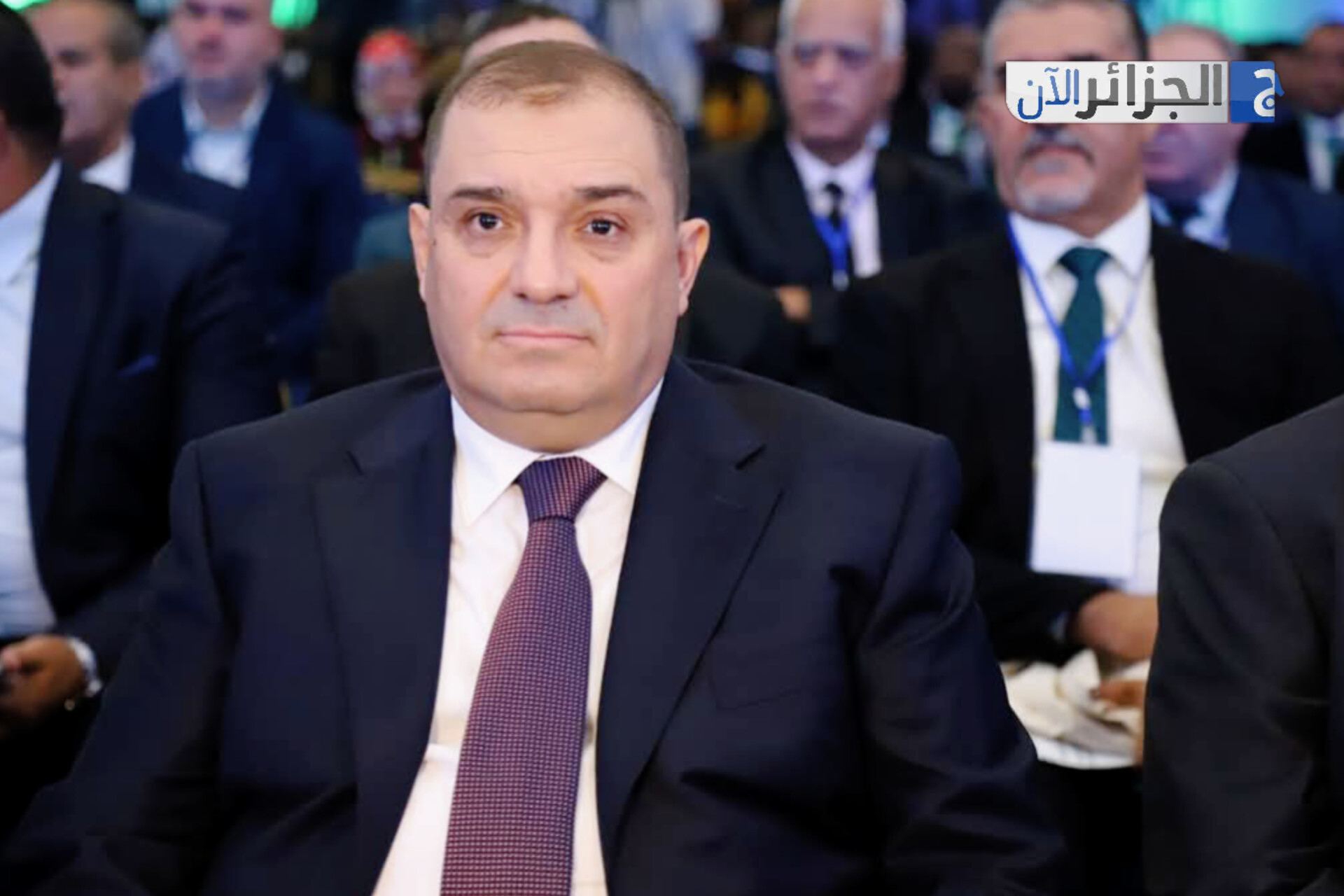
The case of Hicham El Wahrani has become a prominent example of how a single video circulating on social media can trigger swift action from Algeria‘s justice system, leading to in-depth investigations. This was highlighted by the Minister of Justice, Keeper of the Seals, Lotfi Boujemaa, who stated that the judiciary intervened immediately upon the video’s dissemination and resolved the matter expeditiously. According to the Minister, this reflects the growing importance of public reporting in safeguarding society from various forms of crime.
Minister Boujemaa, addressing oral questions in the People’s National Assembly, elaborated on how judicial police departments are now seriously addressing reports received online, particularly those supported by clear and reliable content. He emphasized that the justice system takes these reports into consideration and acts upon them when necessary. He further noted that electronic reporting has become an effective tool in combating crime, especially given the rapid spread of information on social networks.
“Social media platforms have inadvertently become a new avenue for justice,” Minister Boujemaa stated. “The speed with which information travels online allows for quicker identification of potential criminal activity and facilitates a more rapid response from law enforcement.”
The Minister also discussed the comprehensive legal framework Algeria has established to combat various types of crime, ranging from hate speech and gang violence to human trafficking, drug offenses, and kidnapping. He explained that these legal provisions encompass both preventative and deterrent measures, equipping security services with the necessary legal tools for investigation and intensifying penalties for offenders. He emphasized the government’s commitment to adapting its legal instruments to keep pace with the evolving nature of crime in the digital age.
Furthermore, Minister Boujemaa lauded the increasing awareness among Algerian citizens and their growing willingness to report crimes through various channels. He viewed this behavior as a collective desire to live in safety and security. He urged citizens to continue cooperating with security and judicial authorities, emphasizing that a culture of reporting constitutes the first line of defense against crime and establishes a genuine partnership between the citizen and the state in maintaining public order.
“The Hicham El Wahrani case is a testament to the power of citizen engagement and the effectiveness of a responsive justice system,” a legal analyst, speaking on condition of anonymity, told DZWatch. “It demonstrates that even seemingly insignificant pieces of online content can have significant real-world consequences when they expose criminal behavior.”
The case itself, while publicly known, has details that remain confidential due to the ongoing nature of related investigations. However, sources familiar with the matter confirm that the video in question depicted actions that allegedly violated Algerian law. The swift response from authorities, prompted by the video’s viral spread, underscores the government’s commitment to upholding the rule of law and addressing public concerns.
The emphasis on electronic reporting aligns with a broader trend in law enforcement globally, where digital evidence and online investigations are becoming increasingly crucial in solving crimes. Algeria’s proactive approach in embracing this trend suggests a forward-thinking strategy aimed at enhancing public safety and security.
For more information about Algeria, check our dedicated section.
However, some civil liberties advocates have raised concerns about the potential for abuse of online surveillance and the importance of safeguarding privacy rights. They argue that while electronic reporting can be a valuable tool, it should be implemented with appropriate safeguards to prevent unwarranted intrusions into citizens’ lives.
“It’s crucial to strike a balance between utilizing technology to combat crime and protecting fundamental rights,” said Fatima Zohra, a human rights lawyer based in Algiers. “We need clear legal frameworks that govern online surveillance and ensure accountability to prevent abuses of power.”
The Algerian government has repeatedly affirmed its commitment to respecting privacy rights and ensuring that online investigations are conducted in accordance with the law. Minister Boujemaa has emphasized that the justice system operates under strict legal guidelines and that all investigations are subject to judicial oversight.
The focus on citizen reporting also raises questions about the effectiveness of public awareness campaigns and the importance of educating citizens about their rights and responsibilities. While the government encourages reporting of crimes, it is equally important to ensure that citizens are aware of the legal protections available to them and the potential consequences of making false accusations.
Looking ahead, the Algerian government is expected to continue investing in technology and training to enhance its capabilities in combating online crime. This includes strengthening cybersecurity measures to protect critical infrastructure and developing specialized units to investigate cybercrime offenses.
The success of these efforts will depend on a collaborative approach involving government agencies, law enforcement, civil society organizations, and the public. By working together, Algeria can effectively leverage technology to create a safer and more secure society for all its citizens.
The Hicham El Wahrani case serves as a powerful reminder of the transformative impact of social media on crime detection and the critical role of citizen engagement in upholding the rule of law. As Algeria continues to adapt to the challenges of the digital age, it is essential to strike a balance between embracing innovation and safeguarding fundamental rights.