Afghanistan and Pakistan Resume Istanbul Talks Amidst Escalating Border Tensions and Mutual Accusations
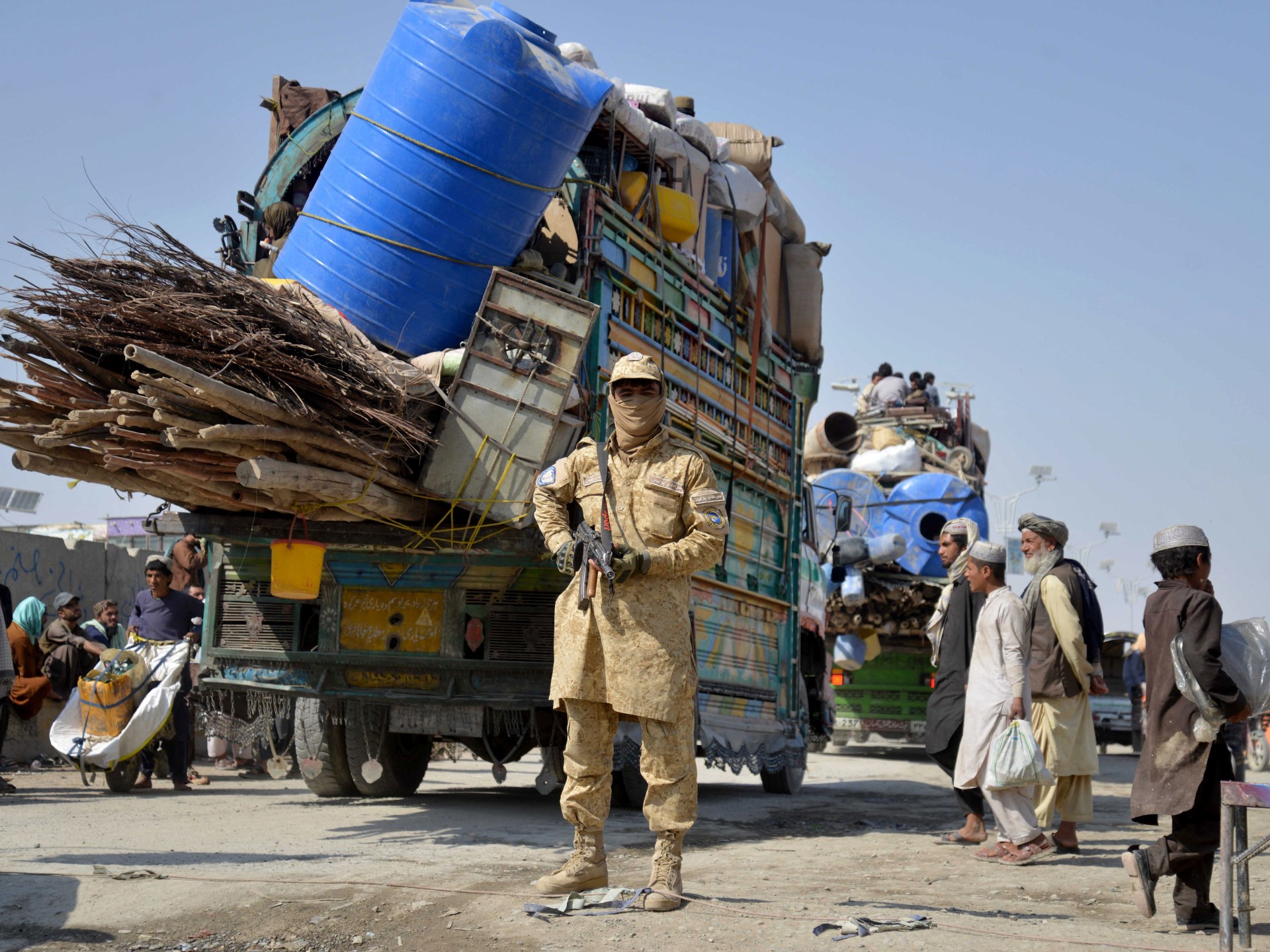
KABUL – In a renewed effort to de-escalate a rapidly deteriorating security situation, Afghanistan and Pakistan have reconvened peace talks in Istanbul today, Thursday. This latest round of negotiations aims to address the escalating tensions between the two neighboring countries, following weeks of increasingly violent border clashes – the most severe witnessed since the Taliban’s return to power in Kabul in 2021. The fragile relationship, already strained by mutual accusations of harboring militant groups, teeters on the brink of further instability.
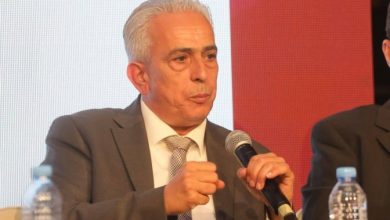
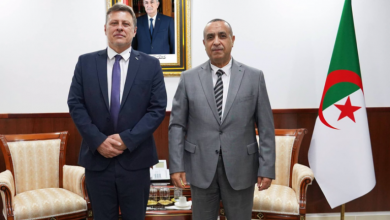
According to governmental sources, the Pakistani delegation is being led by the Director-General of the Inter-Services Intelligence (ISI), Lieutenant General Aasim Munir. On the Afghan side, Abdul Haq Wasiq, the Director of Afghan Intelligence, will head the delegation. The primary objective of the Istanbul meeting is to prevent a recurrence of the clashes that erupted last month, resulting in significant casualties on both sides of the contested border.
The previous round of talks, also held in Istanbul last week, concluded without a lasting ceasefire agreement. The impasse stemmed from persistent disagreements regarding the alleged presence and activities of anti-Pakistan militant groups operating within Afghan territory. Pakistan has repeatedly accused Afghanistan of providing safe haven to these groups, a charge Kabul vehemently denies.
Speaking to reporters on Wednesday, Pakistan’s Defence Minister Khawaja Asif expressed hope for a peaceful resolution. “We hope that wisdom prevails and peace returns to the region,” he stated, emphasizing that Islamabad’s priority is to convince Kabul to rein in militants launching cross-border attacks. He further alluded to the possibility of targeted operations against specific groups if diplomatic efforts fail to yield tangible results.
The relationship between Afghanistan and Pakistan has deteriorated sharply over the past two years. A key point of contention is Pakistan’s accusation that Afghanistan harbors the Tehrik-i-Taliban Pakistan (TTP), a distinct militant group responsible for numerous attacks against Pakistani security forces. Kabul consistently denies these allegations, maintaining that it does not control the activities of independent militant groups operating within its borders. However, Islamabad remains unconvinced, pointing to the TTP’s continued ability to launch attacks from Afghan soil.
The recent clashes, which began in October, were triggered by Pakistani airstrikes targeting alleged militant positions inside Afghanistan. These strikes were followed by retaliatory attacks by Afghan forces on Pakistani military outposts along the border. The situation was further complicated by the closure of the 2,600-kilometer border to trade, exacerbating the already dire humanitarian situation in the border regions. The border closure has severely impacted the flow of essential goods and supplies, leading to shortages and price increases, disproportionately affecting vulnerable populations.
The mediation efforts, spearheaded by Turkey and Qatar, aim to establish a mechanism for monitoring the ceasefire and imposing sanctions on any party found to be in violation. The long-term goal is to pave the way for a gradual return to stability in the region. Both Turkey and Qatar have significant diplomatic influence in the region and have been actively involved in mediating between various Afghan factions for years. Their continued involvement is seen as crucial to achieving a lasting peace agreement.
For more information about Economie, check our dedicated section.
Analysts caution that the challenges facing the negotiators are significant. Deep-seated mistrust, conflicting narratives, and the complex web of militant groups operating in the region make it difficult to find common ground. Moreover, the economic and political instability in both countries adds another layer of complexity to the situation.
The success of the Istanbul talks hinges on the willingness of both sides to compromise and address each other’s legitimate security concerns. Pakistan needs assurances that Afghanistan will take concrete steps to prevent its territory from being used as a launchpad for attacks against Pakistan. Afghanistan, on the other hand, needs assurances that Pakistan will respect its sovereignty and refrain from interfering in its internal affairs.
Furthermore, a comprehensive approach is needed to address the root causes of instability in the region, including poverty, unemployment, and lack of access to education. Investing in development projects and promoting cross-border cooperation can help to create a more stable and prosperous environment, reducing the appeal of militancy.
The international community has a crucial role to play in supporting the peace process. Providing financial assistance, technical expertise, and diplomatic support can help to build trust and facilitate dialogue between the two countries. However, ultimately, the responsibility for resolving the conflict lies with the Afghan and Pakistani governments.
As the Istanbul talks get underway, the stakes are high. Failure to reach a meaningful agreement could lead to further escalation of violence, with potentially devastating consequences for the region. The people of Afghanistan and Pakistan deserve to live in peace and security. It is imperative that their leaders seize this opportunity to build a better future for both countries.
The current situation also raises concerns about the potential displacement of populations along the border. The fighting has already forced thousands of people to flee their homes, and a further escalation could lead to a humanitarian crisis. International aid organizations are working to provide assistance to those affected by the conflict, but their efforts are hampered by the ongoing insecurity and limited access to the affected areas. The international community must step up its efforts to provide humanitarian assistance and ensure the safety and well-being of civilians in the border regions. The need for a peaceful resolution is not just a political imperative, but a moral one.