Algerian Universities Fuel Entrepreneurship: 96 Student Ventures Receive Funding Boost
Algeria‘s universities are increasingly becoming hubs for innovation and entrepreneurship, with a recent initiative providing crucial funding to 96 student-led ventures across the country. This substantial investment, spanning diverse sectors, marks a significant step towards transforming innovative ideas into viable economic realities and solidifying the university’s role as a key driver of wealth creation.
Over the period from October 26th to November 6th, 2025, a rigorous evaluation process identified and approved these 96 projects, representing a broad spectrum of industries. These include manufacturing, agriculture, services, healthcare, construction and public works, sports, tourism, pharmaceuticals, communications, and various independent professions. The initiative underscores the government’s commitment to fostering a culture of entrepreneurship among young Algerians and supporting the transition from academic concepts to tangible business enterprises.
The funding process involved a collaborative effort across numerous higher education institutions, each playing a vital role in identifying and nurturing promising student projects. The geographic distribution of funded projects highlights the nationwide reach of this initiative, demonstrating a concerted effort to promote economic diversification and opportunity across all regions of Algeria.
Mohamed Lamine Debaghine University in Setif 2 saw five projects approved, showcasing the university’s strength in diverse fields. These included one project in medicine, two in manufacturing, and two in agriculture, reflecting the region’s economic priorities and the students’ entrepreneurial spirit. At Ferhat Abbas University in Setif 1, four projects received funding, comprising two in the services sector and two in manufacturing, further solidifying Setif’s position as a regional center for innovation.
In the western region, Ahmed Zabana University in Relizane had one project approved in the construction and public works sector, addressing the ongoing infrastructure development needs of the area. The University of Bechar, located in southwestern Algeria, secured funding for four projects, including one in sports and three in construction, demonstrating the potential for diversification in a region traditionally focused on other industries.
Wider reach was demonstrated in other universities as well. The University of Oran 1 witnessed the approval of two projects in the medical field, highlighting the institution’s expertise in healthcare innovation. Similarly, the University of Continuous Education secured funding for one medical project, indicating a growing emphasis on lifelong learning and specialized training in the healthcare sector. Four projects were approved at the University of Oum El Bouaghi, encompassing agriculture, manufacturing, and healthcare, illustrating a balanced approach to economic development in the region. These included one project in agriculture, one in manufacturing, and two in healthcare.
The University of Chadli Bendjedid in El Tarf stood out with six approved projects, demonstrating a strong entrepreneurial ecosystem within the institution. These projects included one focused on the industrial processing of paper and another on the installation of electrical and telephone networks, reflecting the region’s industrial potential and the students’ technical skills. The remaining four projects spanned the healthcare and services sectors, indicating a diverse range of entrepreneurial interests.
Annaba’s higher education institutions also contributed significantly. The Higher School of Management Sciences approved one project in the services sector, specifically an amusement park, while Badji Mokhtar University in Annaba saw one project approved in the construction and public works sector, reflecting the ongoing urban development in the coastal city.
For more information about Algeria, check our dedicated section.
Further inland, the University of Tipaza secured funding for two projects, one in manufacturing and one in services, showcasing the region’s potential for economic diversification. At the University of M’sila, six projects were approved, covering healthcare, manufacturing, and agriculture, highlighting the institution’s commitment to supporting a broad range of entrepreneurial endeavors. These included one project in healthcare, four in manufacturing, and one in agriculture.
Belhadj Bouchaib University in Ain Temouchent witnessed the approval of six projects, demonstrating a strong emphasis on healthcare and related sectors. These projects included two in medicine, one in services, one in agriculture, and two in manufacturing. M’hamed Bougara University in Boumerdes secured funding for three projects, encompassing manufacturing, independent professions, and services, reflecting the region’s diverse economic landscape. The University of Dr. Moulay Taher in Saida had one project approved in the manufacturing of cosmetic products, highlighting the potential for value-added industries in the region.
The University of Naama saw one project approved in the medical field, while the Polytechnic School of Architecture and Urban Planning secured funding for one project in healthcare, demonstrating a growing intersection between architecture and healthcare design. The University Center of Maghnia had two projects approved in healthcare and independent professions and services, reflecting the region’s focus on community development and well-being. The National Higher Veterinary School secured funding for four projects, covering agriculture, manufacturing, and services, highlighting the importance of veterinary services in supporting the agricultural sector.
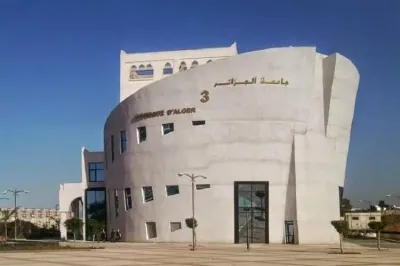
The Higher School of Applied Sciences in Tlemcen had one project approved in sports, while the University of Tlemcen secured funding for one project in manufacturing. The University of Science and Technology Houari Boumediene approved one project in the services sector, and the Higher National School of Public Works secured funding for two projects in the services sector. The University of Algiers 3 witnessed the approval of three projects in healthcare, services, and construction. Djillali Liabes University in Sidi Bel Abbes secured funding for three projects in services and agriculture, showcasing the region’s agricultural potential. At the University of Batna 2 – Chahid Mostefa Ben Boulaid, four projects were approved in healthcare and services. The University of Blida 1 had three projects approved in manufacturing and services, while the University of Blida 2 secured funding for two projects in the food processing and metal structure industries.
Mustapha Stambouli University in Mascara witnessed the approval of six projects, highlighting a diverse range of entrepreneurial interests in pharmaceuticals, agriculture, manufacturing, and public works. The Higher National School of Coastal Development secured funding for one project in manufacturing, while the University of Mostaganem had three projects approved in manufacturing. Mohamed Ben Ahmed University in Oran 2 secured funding for three projects in manufacturing, and the University of Tissemsilt had one project approved in manufacturing. The University of Batna 1 secured funding for two projects in services and manufacturing. The University Center of Si El Haoues in Barika had one project approved in agriculture, while the University of Souk Ahras secured funding for three projects in manufacturing, services, and agriculture. The University of Guelma had one project approved in manufacturing.
These impressive results reflect the dynamic growth of university-based entrepreneurship in Algeria. They demonstrate the enthusiastic participation of students in creating their own startups, supported by national programs designed to finance innovation and student investment. This initiative lays the foundation for a new era, transforming universities into sustainable spaces for production, innovation, and employment. The collaborative effort between universities, government agencies, and the private sector is crucial in fostering a vibrant entrepreneurial ecosystem that empowers young Algerians to contribute to the country’s economic growth and diversification.