Peace Talks Collapse: Afghanistan and Pakistan Trade Blame, Raising Specter of Direct Confrontation
Istanbul, Turkey – Diplomatic efforts to broker lasting peace between Afghanistan and Pakistan have crumbled, with both nations publicly declaring the failure of recent talks held in Istanbul. The third round of negotiations, which commenced on Thursday, ended without a resolution, leaving the already strained relationship between the two neighbors teetering on the brink.
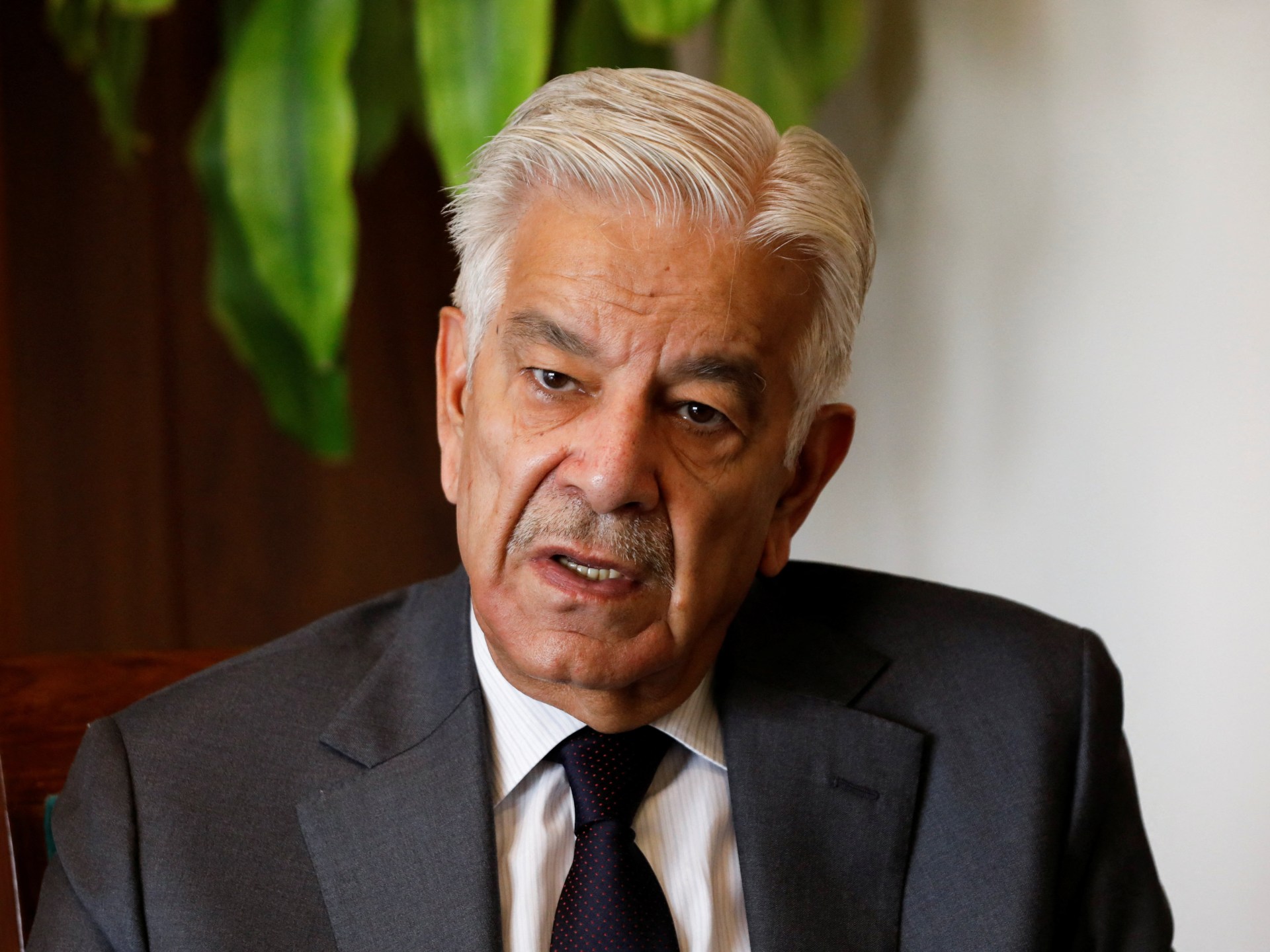
Pakistan’s Defense Minister, Khawaja Asif, delivered a grim assessment on Friday, stating that the negotiations had reached a complete impasse. According to Asif, while the Afghan delegation agreed in principle with their Pakistani counterparts, they were unwilling to commit to a written agreement. Pakistan, he emphasized, would not accept any informal, verbal assurances. “The Afghan delegation wanted verbal guarantees, but that is impossible in international negotiations,” Asif stated, highlighting the core disagreement that ultimately derailed the process.
The Afghan government, through its spokesperson Zabihullah Mujahid, presented a starkly contrasting narrative. In a statement released on social media, Mujahid accused Pakistan of attempting to shift the entire burden of its security concerns onto Afghanistan, while simultaneously refusing to acknowledge or address Afghanistan’s own security anxieties. “During the discussions, the Pakistani side tried to place the entire responsibility for its security on the shoulders of the Afghan government, while showing no willingness to take any responsibility for the security of Afghanistan or its own security,” Mujahid declared. He further characterized the Pakistani delegation’s stance as “irresponsible and uncooperative,” ultimately leading to the fruitless outcome despite the “good intentions of the Islamic Emirate of Afghanistan and the efforts of the mediators.”
Prior to the official announcement of the talks’ failure, Pakistani Information Minister Attaullah Tarar had already hinted at the impending collapse, placing the onus on Kabul to fulfill its counter-terrorism obligations under the 2021 Doha Peace Agreement. Tarar asserted that Afghanistan had, thus far, failed to meet these commitments. In a statement expressing gratitude to Turkey and Qatar for their mediation efforts, Tarar affirmed that “Pakistan will continue to exercise all necessary options to protect the security of its people and its sovereignty.”
The rhetoric escalated further with a stark warning from Afghanistan’s Minister of Borders and Tribal Affairs, Noorullah Noori. According to the Afghan news agency Khaama Press, Noori cautioned of a “direct confrontation” should Islamabad persist with its threats following the breakdown of peace talks. Noori issued a strongly worded statement urging Pakistan not to underestimate Afghan resolve or rely on perceived military superiority. He advised Pakistan to “learn” from the experiences of the United States and Russia in Afghanistan, a clear reference to the protracted and ultimately unsuccessful military interventions by both powers.
For more information about News, check our dedicated section.
These pronouncements followed an earlier warning from Khawaja Asif, suggesting that Islamabad might resort to open conflict if Kabul failed to curb cross-border attacks allegedly perpetrated by the Tehrik-i-Taliban Pakistan (TTP). The TTP, a militant group distinct from the Afghan Taliban but ideologically aligned, has long been a source of tension between the two countries.
The ill-fated talks in Istanbul were intended to finalize a truce initially agreed upon on October 19th in Qatar. This agreement came in the wake of the deadliest clashes between the two South Asian neighbors since the Taliban’s return to power in 2021. The border region, particularly the Chaman border crossing in southwestern Pakistan, remains tense despite the nominal ceasefire. While a fragile calm largely prevails, a brief exchange of fire occurred on Thursday evening, with each side blaming the other for violating the ceasefire.
The failure of these talks underscores the deep-seated mistrust and divergent perspectives that continue to plague relations between Afghanistan and Pakistan. Pakistan has repeatedly accused Afghanistan of harboring and supporting the TTP, allowing the group to launch attacks across the border. Afghanistan, in turn, accuses Pakistan of interfering in its internal affairs and of failing to address its own security challenges effectively. The accusations and counter-accusations reflect a complex geopolitical landscape shaped by historical grievances, porous borders, and the enduring influence of non-state actors.
The collapse of the Istanbul talks raises serious concerns about the potential for further escalation. With both sides issuing increasingly belligerent statements, the risk of a direct military confrontation, while not inevitable, has undoubtedly increased. The international community, including regional powers like China and Iran, will likely intensify its efforts to de-escalate the situation and encourage renewed dialogue. However, the prospects for a breakthrough remain uncertain, given the deep-seated animosity and the lack of a clear path towards addressing the underlying issues that fuel the conflict. The current standoff not only jeopardizes regional stability but also threatens to further exacerbate the humanitarian crisis in Afghanistan, which is already grappling with widespread poverty and food insecurity. DZWatch will continue to monitor this developing situation and provide updates as they become available.