Israeli Airstrike Hits Southern Lebanon, Injuring Seven Near Bint Jbeil Hospital
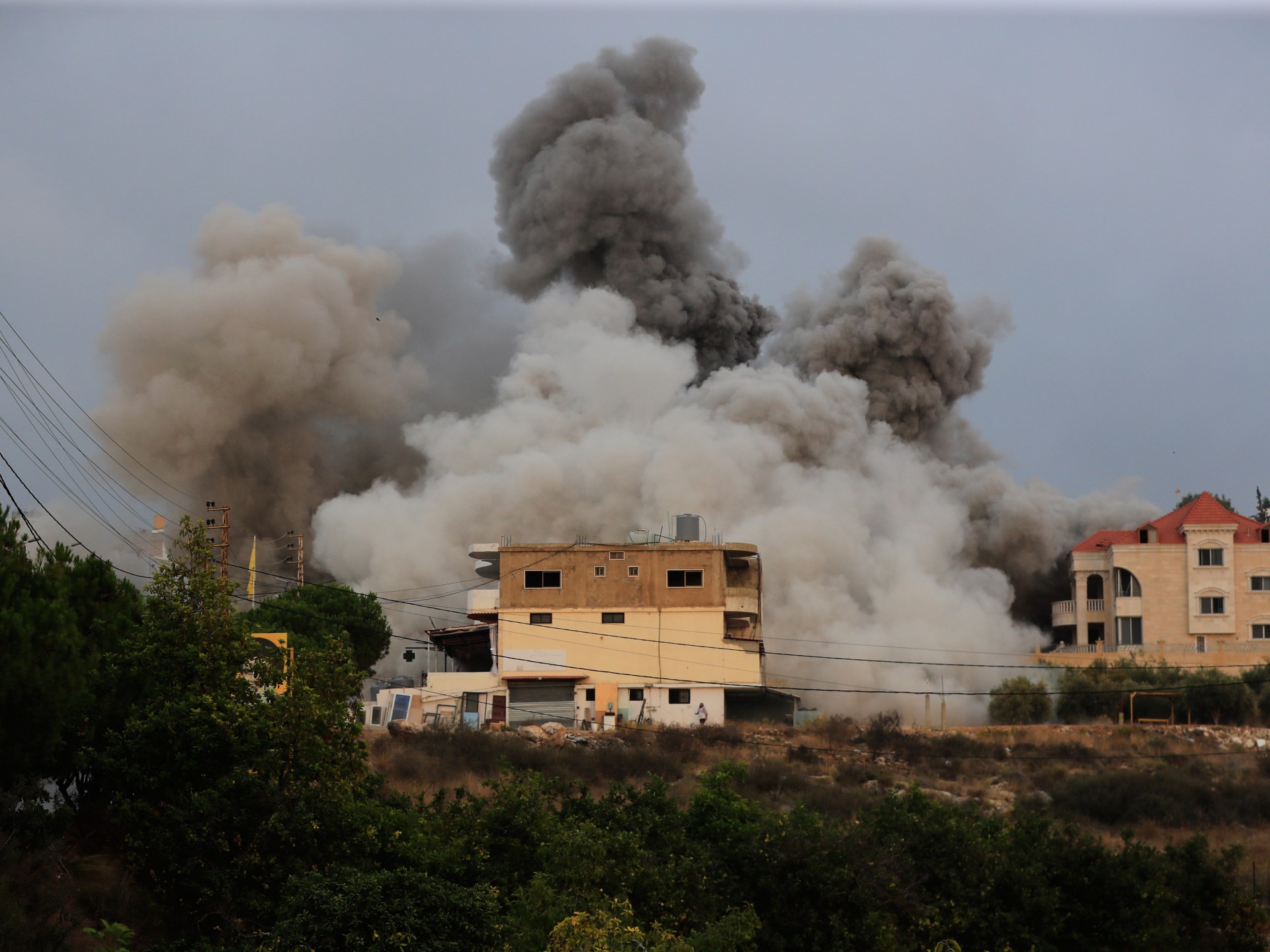
DZWatch Exclusive: An Israeli drone strike targeted a vehicle near a hospital in southern Lebanon on Saturday, escalating tensions along the already volatile border. The attack, which occurred close to Salah Ghandour Hospital in Bint Jbeil, resulted in injuries to at least seven individuals, according to Lebanese news agencies. As of this report, there have been no confirmed fatalities, and the identities of those targeted remain unknown.
The incident is the latest in a series of Israeli military actions in Lebanon, following evacuation orders issued on Thursday, marking the widest such warning since the current tensions began weeks ago. Thick plumes of smoke were reported rising from the scene of the Bint Jbeil strike, which involved two guided missiles fired from an Israeli drone.
Reports from Al Jazeera indicate a separate drone strike in Rachaya al-Wadi in the Bekaa Valley, eastern Lebanon. While initial reports suggest no casualties in that particular incident, it underscores the broadening scope of Israeli military activity within Lebanese territory.
Just last night, Lebanese news sources confirmed that Israeli military aircraft targeted a drilling rig in the Blida area of southern Lebanon. This pattern of strikes suggests a deliberate campaign, raising concerns about further escalation and the potential for a wider conflict.
The recent surge in military activity follows a period of heightened alert and increased Israeli presence along the border. The Israeli military issued warnings to residents of several southern Lebanese towns on Thursday, urging them to evacuate their homes. These warnings, characterized as the most extensive since the current tensions started weeks ago, have been interpreted as a prelude to increased military operations.
In response to the escalating violence, Lebanese President Joseph Aoun issued a statement on Thursday evening condemning the Israeli airstrikes as a “complete crime.” He asserted that Israel is deliberately violating Lebanese sovereignty whenever Beirut expresses openness to negotiations, further complicating diplomatic efforts to de-escalate the situation.
The Israeli military, for its part, maintains that its strikes are targeting military sites belonging to Hezbollah in southern Lebanon. They claim these actions are necessary to counter what they describe as Hezbollah’s attempts to rebuild its infrastructure and activities in the region. The Israeli Defense Forces (IDF) have repeatedly accused Hezbollah of violating international resolutions and engaging in activities that threaten Israel’s security.
For more information about Science, check our dedicated section.
This latest round of violence comes against a backdrop of long-standing tensions between Israel and Hezbollah, the Lebanese Shia Islamist political party and militant group. The two sides have engaged in numerous conflicts over the years, including the 2006 Lebanon War. The current situation is particularly concerning due to the potential for miscalculation and the involvement of other regional actors.
The international community has expressed growing concern over the escalating violence along the Lebanese-Israeli border. The United Nations has called for restraint and urged both sides to de-escalate the situation through diplomatic channels. Several countries, including Algeria, have issued statements condemning the violence and calling for a peaceful resolution to the conflict.
The situation in southern Lebanon remains highly volatile, with the potential for further escalation. The Israeli military continues to maintain a strong presence along the border, and Hezbollah has vowed to retaliate for any attacks on Lebanese territory. The risk of a wider conflict remains significant, and the international community is working to prevent further bloodshed and instability in the region. DZWatch will continue to monitor the situation closely and provide updates as they become available.
Experts suggest that the current escalation is linked to a number of factors, including the ongoing political instability in Lebanon, the regional power struggle between Iran and Saudi Arabia, and the upcoming Israeli elections. Some analysts believe that Israel is attempting to deter Hezbollah from engaging in future attacks, while others argue that the strikes are intended to pressure the Lebanese government to disarm the group.
Regardless of the underlying motivations, the violence is having a devastating impact on the civilian population in southern Lebanon. Thousands of people have been forced to flee their homes, and many have lost their livelihoods. The Lebanese economy, already struggling under the weight of a severe financial crisis, is being further strained by the conflict.
The international community must step up its efforts to address the root causes of the conflict and to provide humanitarian assistance to the affected population. A lasting solution to the Israeli-Lebanese conflict will require a comprehensive political settlement that addresses the underlying grievances of both sides. Without such a settlement, the cycle of violence is likely to continue, with devastating consequences for the region and beyond. DZWatch remains committed to providing accurate and unbiased reporting on this critical issue.