Algeria to Digitize Aquaculture Sector with New E-Commerce Platform for Tilapia
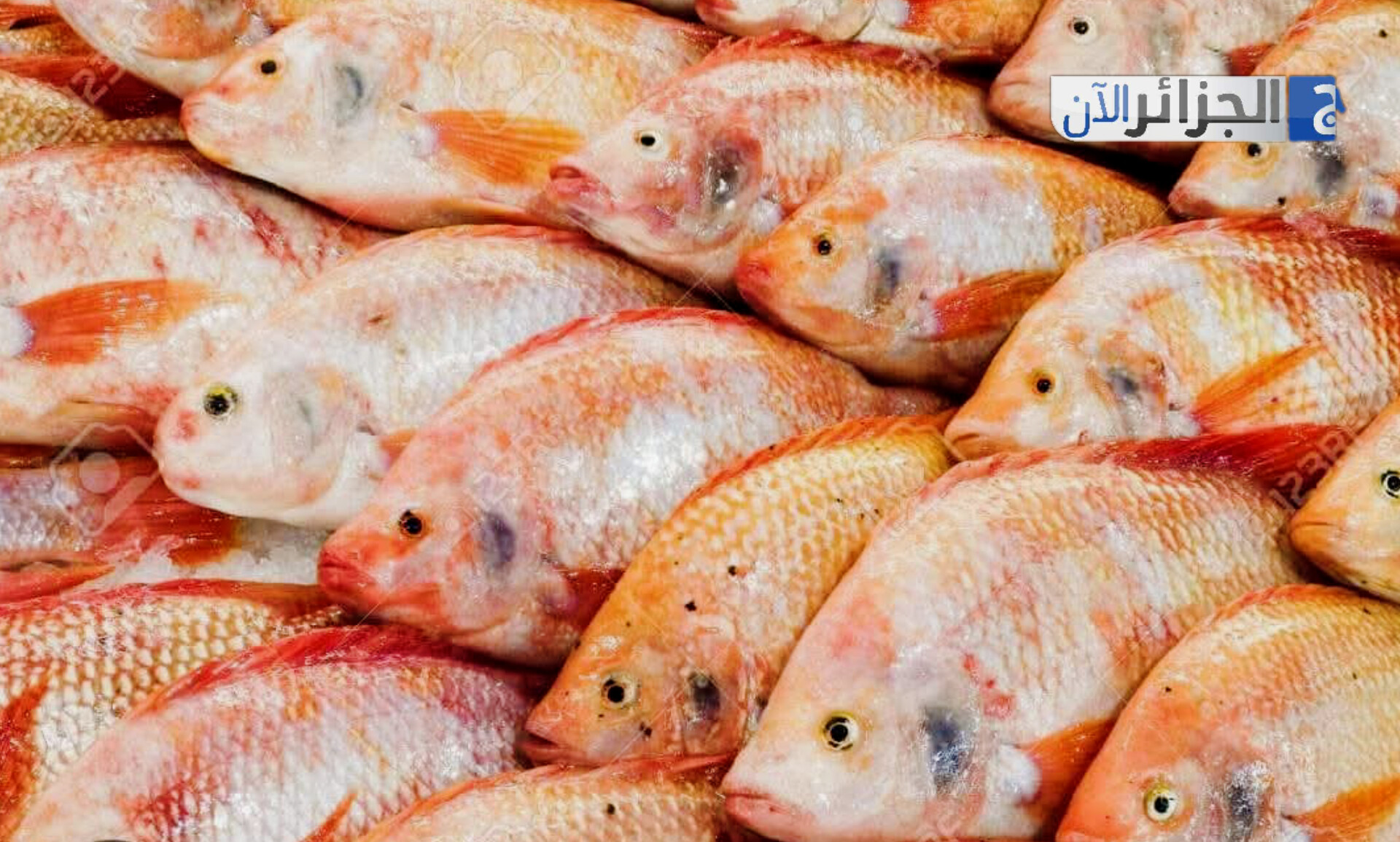
Algiers, Algeria – In a significant stride towards modernizing its aquaculture industry, Algeria is poised to launch a cutting-edge digital platform dedicated to the marketing and distribution of red tilapia. The initiative, spearheaded by the General Directorate of Fisheries and Aquaculture under the Ministry of Agriculture and Rural Development and Fisheries, aims to revolutionize marketing channels and provide crucial support to local fish farmers. Miloud Triaa, the Director-General, revealed that the project is in its final stages of development and is expected to be officially launched soon.
Triaa made the announcement on the sidelines of the 10th International Fisheries and Aquaculture Exhibition (SIPA 2025) held in Oran. He emphasized that the National Chamber of Fisheries and Aquaculture will be responsible for managing the new platform.
“This digital platform represents a major step forward for the Algerian aquaculture sector,” Triaa stated. “It will empower red tilapia farmers across the country to market their products online, streamlining the sales process and expanding their reach to potential customers nationwide.”
The platform will allow farmers to register their farms and upload vital production data, including farm location and monthly production schedules. This comprehensive database will facilitate market organization and optimize distribution operations, ensuring a more efficient supply chain.
The digitization initiative comes at a crucial time for Algeria’s aquaculture sector, which is experiencing significant growth. Red tilapia, in particular, has emerged as a key species for inland aquaculture, offering a sustainable source of protein for the Algerian population.
In a related development, the National Chamber of Fisheries and Aquaculture has signed an agreement with the National Office for Livestock Feed (ONAB) to promote the marketing of red tilapia. ONAB, with its extensive network of over 200 direct sales outlets across Algeria, has proven to be a valuable partner in distributing aquaculture products.
“ONAB played a crucial role in marketing the entire red tilapia production from last year,” Triaa noted. “Their success has led them to request even larger quantities this year, demonstrating the growing demand for this fish species.”
The digital platform will serve as a national database, providing ONAB with real-time information on monthly tilapia availability. This will enable the organization to plan distribution more effectively and ensure that the product reaches consumers in a timely manner.
Triaa also unveiled plans for the creation of a specialized aquaculture subsidiary within ONAB, making it the first national economic institution to actively participate in the aquaculture sector. This move underscores the government’s commitment to fostering the growth of this vital industry.
Beyond boosting production and expanding domestic marketing, Algeria aims to develop a processing industry centered around red tilapia. This value-added approach will create new economic opportunities and further enhance the sector’s contribution to the national economy.
To facilitate the development of the processing industry, tripartite agreements are expected to be signed soon between ONAB, the National Chamber of Fisheries and Aquaculture, and interested processors. These agreements will outline the roles and responsibilities of each party in supporting the growth of the tilapia processing sector.
For more information about Algeria, check our dedicated section.
The Director-General expressed optimism about the future of red tilapia production in Algeria, predicting a significant increase in output in 2025. “We anticipate a qualitative leap in red tilapia production this year, with an expected output of around 1,800 tons,” he stated. “This represents a substantial increase of over 40 percent compared to last year’s production of approximately 1,000 tons, reflecting the remarkable progress being made in Algeria’s aquaculture sector.”
The digital platform is just one component of a broader strategy to modernize and expand Algeria’s aquaculture industry. The government is also investing in infrastructure development, providing training to fish farmers, and promoting sustainable aquaculture practices.
The growth of the aquaculture sector is particularly important in the context of Algeria’s efforts to diversify its economy away from its heavy reliance on oil and gas revenues. Aquaculture offers a sustainable and environmentally friendly alternative that can create jobs, boost food security, and contribute to economic growth.
Furthermore, the increasing availability of locally produced fish, such as red tilapia, will help reduce Algeria’s dependence on imported seafood, saving valuable foreign currency and supporting local producers.
The successful implementation of the digital platform and the continued growth of the aquaculture sector will require close collaboration between government agencies, industry stakeholders, and research institutions. By working together, Algeria can unlock the full potential of its aquaculture resources and create a thriving industry that benefits the entire nation.
The Algerian government views the aquaculture sector as a strategic priority and is committed to providing the necessary support to ensure its continued success. With its abundant water resources, favorable climate, and growing demand for seafood, Algeria has the potential to become a major player in the regional aquaculture market. The digitization of the red tilapia marketing process is a crucial step towards realizing this vision and transforming Algeria’s aquaculture sector into a modern, efficient, and sustainable industry.
The planned increase in red tilapia production will also contribute to improving the nutritional status of the Algerian population. Tilapia is a rich source of protein, vitamins, and minerals, making it a valuable addition to the national diet. By making tilapia more readily available and affordable, Algeria can help combat malnutrition and improve public health.
The focus on developing a processing industry for red tilapia will also create new opportunities for entrepreneurship and innovation. Local businesses can develop new products and services based on tilapia, creating jobs and generating income in local communities.
In conclusion, Algeria’s initiative to digitize the aquaculture sector and promote the production and marketing of red tilapia represents a significant investment in the future of the country’s economy and food security. The digital platform, coupled with government support and private sector investment, is expected to drive significant growth in the aquaculture sector and contribute to a more sustainable and prosperous future for Algeria.