
Serbia Fast-Tracks Demolition of Historic Belgrade Building for Kushner-Linked Luxury Hotel
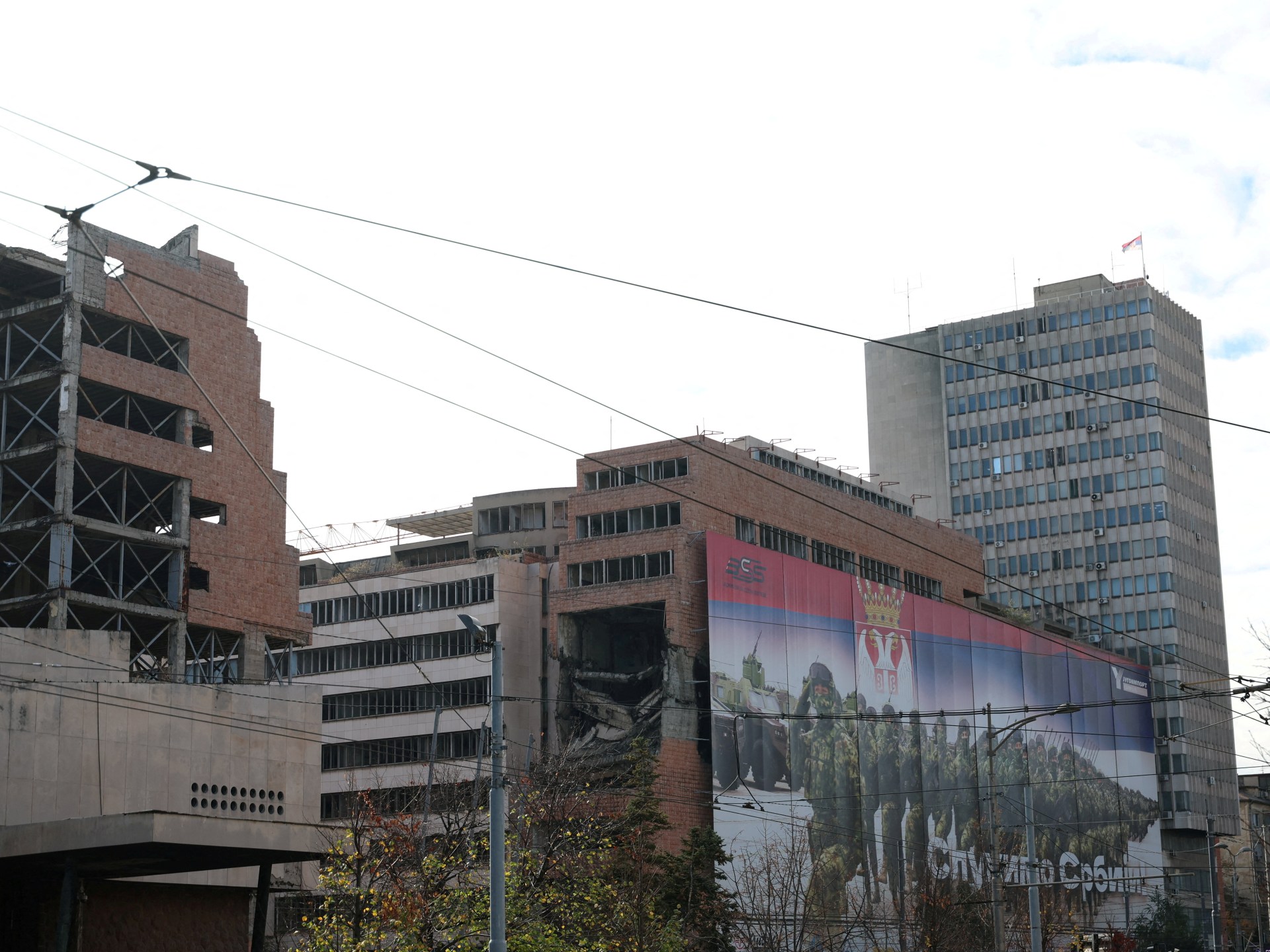
Belgrade, Serbia – The Serbian Parliament has approved a controversial law expediting the demolition of the former Yugoslav Army headquarters in central Belgrade, paving the way for a luxury hotel development financed by an investment firm with ties to Jared Kushner, son-in-law of former U.S. President Donald Trump. The move has sparked widespread public opposition and raised concerns about historical preservation and potential corruption.
The complex, partially destroyed during the 1999 NATO bombing campaign that ended the Kosovo War, dates back to the mid-20th century and represents a significant example of socialist modernist architecture. The proposed project, spearheaded by Miami-based Affinity Partners, a company linked to Kushner, aims to transform the site into a high-end hotel.
Affinity Partners secured a 99-year lease agreement with the Serbian government to develop the property shortly after the government removed its protected status as a cultural asset. This decision, made last year, has been a key point of contention for preservationists and the general public. The project faced setbacks in May when allegations surfaced that a government official used falsified documents to remove the building’s protected heritage status. Investigations into these allegations are reportedly ongoing.
The newly passed law, published on the Serbian Parliament’s website, designates the redevelopment of the site as a matter of urgency. It mandates that state institutions issue the necessary permits and approvals without delay, effectively circumventing potential bureaucratic hurdles and legal challenges. The special law, known as a “Lex Specialis,” allows authorities to proceed with the project, including the demolition of the remaining structures of the two sprawling buildings, considered prime examples of mid-20th-century Yugoslav architecture.
Following days of heated debate and street protests by opponents of the development plan, the law passed with 130 votes in favor and 40 against in the 250-seat parliament. Critics argue that the building holds significant historical and architectural value and serves as a potent symbol of resistance against the NATO bombing campaign, widely viewed in Serbia as an unjust act of aggression.
While the pro-Trump Serbian government claims the project will boost the economy and strengthen ties with the United States, it has met with fierce resistance from experts who emphasize the building’s architectural importance and its symbolic weight.
“We stand before a unique architectural and urban masterpiece,” said Milan Salata, an architect and member of the Association of Architects of Serbia, during a press conference held outside the building earlier this week. He emphasized that the building is structurally sound and can be restored and preserved for public use, potentially as a memorial to the victims of the NATO bombing. Salata and other preservationists have proposed alternative uses for the site that would honor its history while contributing to the city’s cultural landscape. These proposals have largely been ignored by the government.
For more information about Culture, check our dedicated section.
President Aleksandar Vucic, who has hosted Kushner in Belgrade on several occasions, has expressed his personal support for the project, framing it as an opportunity to attract foreign investment and modernize the city’s infrastructure. He has dismissed concerns about the building’s historical significance, arguing that new development is necessary for economic growth.
The controversy surrounding the demolition highlights the complex relationship between economic development, historical preservation, and national identity in Serbia. The decision to prioritize the Kushner-linked project over the preservation of a significant architectural landmark has fueled public anger and raised questions about transparency and accountability in government decision-making.
The rapid passage of the “Lex Specialis” has drawn criticism from legal experts who argue that it undermines the rule of law and sets a dangerous precedent for future development projects. They contend that the law effectively bypasses established procedures for heritage protection and allows the government to prioritize private interests over the public good.
The situation is further complicated by the ongoing investigation into the alleged falsification of documents related to the building’s heritage status. If these allegations are proven true, it could further undermine the legitimacy of the project and raise serious questions about the integrity of the Serbian government.
The demolition of the former Yugoslav Army headquarters represents a significant loss for Serbia’s architectural heritage and underscores the challenges of balancing economic development with the preservation of cultural identity. The controversy surrounding the project is likely to continue to fuel public debate and scrutiny of government decision-making in the coming months. The future of the site remains uncertain, but the ongoing protests and legal challenges suggest that the fight to preserve Serbia’s historical landmarks is far from over. The project also raises ethical questions about the influence of foreign investment and the potential for conflicts of interest in government decisions, particularly when involving individuals with close ties to political leaders. The situation in Belgrade serves as a cautionary tale about the importance of transparency, accountability, and public participation in development projects that impact cultural heritage and national identity.