US Takes Reins of Gaza Aid, Pushes for Rafah Militant Exit Amid Security Council Talks
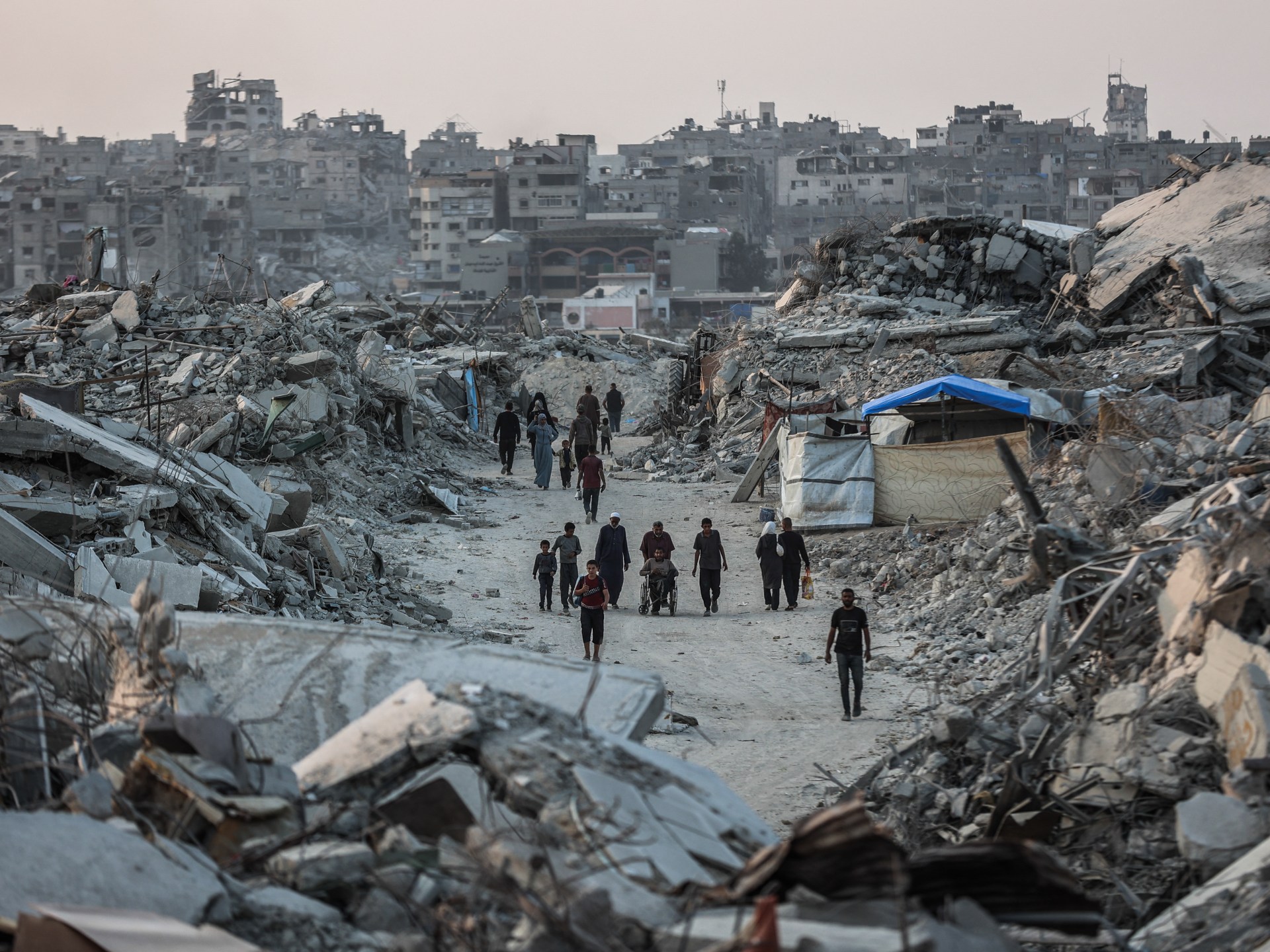
Washington has reportedly assumed primary oversight of humanitarian aid delivery to Gaza, sidelining Israel in the process, according to a recent report in the *Washington Post*. This development coincides with ongoing discussions at the United Nations Security Council regarding the potential deployment of an international stabilization force in the region and increasing American pressure on Israel to permit the safe passage of Hamas fighters currently trapped in Rafah.
The *Washington Post*, citing a US official, stated that Israel remains “part of the conversation, but decisions are in the hands of the broader body at the Civil-Military Coordination Center.” This shift in responsibility, according to informed sources, effectively diminishes Israel’s influence over the flow of aid into Gaza, placing the US in a leading role. The Civil-Military Coordination Center, now under US direction, is tasked with streamlining the delivery of essential supplies to the war-torn enclave, a move hailed by some as necessary to ensure aid reaches those who need it most efficiently and impartially.
Furthermore, a source familiar with the matter told the *Washington Post* that Washington’s paramount strategic objective is now to monitor Israeli Prime Minister Benjamin Netanyahu, ensuring there is no return to large-scale combat operations. This reflects growing concerns within the Biden administration about the potential for renewed hostilities and the need to maintain stability in the region following the recent ceasefire agreement brokered by the US.
However, conflicting reports have emerged regarding the extent of the shift in control. Israeli Army Radio, quoting an unnamed security source, asserted that Israel would retain full authority and responsibility for the distribution of aid within Gaza. This source indicated that while Washington would assume the humanitarian aspect of aid delivery, including communication with aid organizations and the United Nations, the overall coordination and implementation would remain under Israeli control. This discrepancy highlights the ongoing tensions and complexities surrounding the management of humanitarian assistance in Gaza.
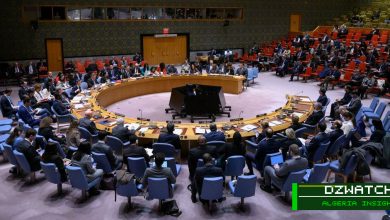
The potential deployment of an international stabilization force in Gaza is also a subject of intense debate at the UN Security Council. US President Donald Trump has indicated that the formation of such a force is imminent, although he has not provided a specific timeline. Trump reiterated his confidence in the durability of the ceasefire agreement in Gaza, despite concerns expressed by various parties about its fragility.
US Secretary of State Marco Rubio stated that efforts are underway to secure an international resolution that would authorize countries willing to participate in the international stabilization force to formally join the effort once a UN mandate is obtained. The establishment of a peace council and an international stabilization force represents the next phase of President Trump’s plan following the ceasefire, prisoner exchange, and release of detainees. The ultimate goal is to create a more stable and secure environment in Gaza, paving the way for long-term reconstruction and development.
For more information about Palestine, check our dedicated section.
In a related development, Israeli media outlets report that the United States is exerting pressure on Israel to approve a proposal for a safe passage corridor to allow Hamas fighters trapped in Rafah, in the southern Gaza Strip, to evacuate. This proposal faces strong opposition from within the Israeli government, which views it as a concession to a terrorist organization.
According to an unnamed source cited by the Israeli Broadcasting Corporation, the US administration has pledged to neutralize tunnels used by Hamas in exchange for the evacuation of militants from Rafah. The proposal also includes the establishment of a pilot project in the city, creating a community populated by residents not affiliated with Hamas, with an international force deployed to maintain security. The concept envisions a demilitarized zone within Rafah, overseen by international observers and designed to prevent the resurgence of Hamas control.
Israeli forces continue to maintain control over Rafah, with a planned withdrawal in the coming phases of the agreement brokered by the US, which led to the ceasefire on October 10th. The proposed evacuation of Hamas fighters from Rafah represents a contentious issue, with some within the Israeli government arguing that it would allow the organization to regroup and rearm. Others believe that it is a necessary step to achieve long-term stability and prevent further bloodshed.
The shift in control over aid delivery to Gaza and the ongoing discussions surrounding the international stabilization force and the evacuation of Hamas fighters from Rafah highlight the complex and multifaceted challenges facing the region. The United States is playing an increasingly prominent role in attempting to address these challenges, but significant obstacles remain in the path towards a lasting peace. The effectiveness of the US-led efforts will depend on the cooperation of all parties involved, including Israel, Hamas, and the international community. The situation remains fluid, and the coming weeks will be crucial in determining the future of Gaza and the wider region. The international community is watching closely as these developments unfold, hoping for a resolution that will bring an end to the long-standing conflict and pave the way for a more peaceful and prosperous future for all.