
UN Warns Millions at Risk as Hunger Crisis Deepens
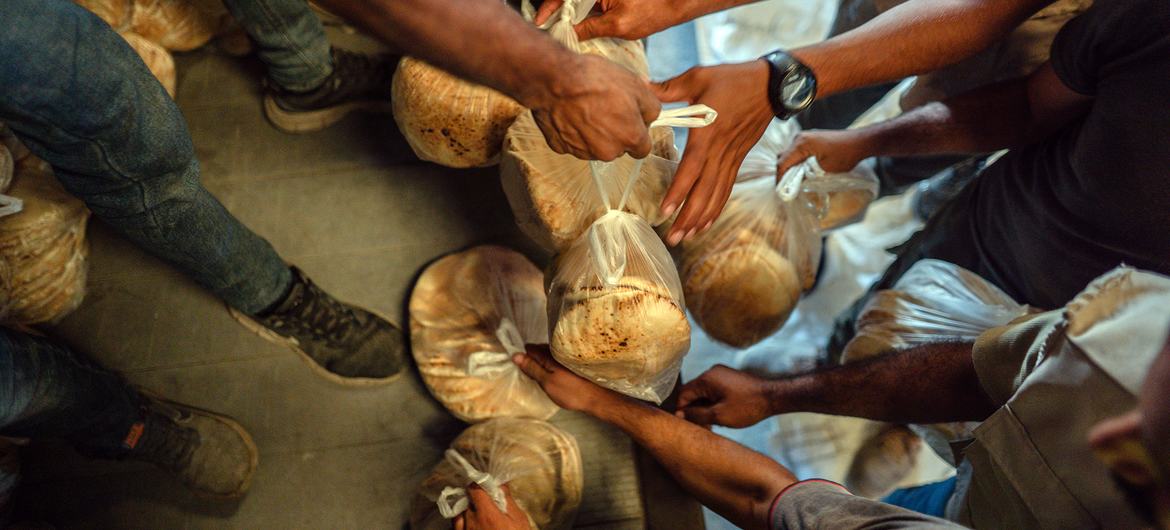
DZWatch Exclusive: The Food and Agriculture Organization (FAO) and the World Food Programme (WFP) have issued a stark warning, forecasting a significant deterioration of acute food insecurity in 16 countries and regions between now and May 2026. This crisis threatens the lives of millions, according to a recent report.
The joint UN report, titled ‘Hunger Hotspots,’ identifies six nations at the highest risk of famine or catastrophic hunger: Sudan, Palestine, South Sudan, Mali, Haiti, and Yemen. The report indicates that certain communities within these areas are projected to reach famine-like conditions.
Other countries causing serious concern include the Democratic Republic of Congo, Myanmar, Nigeria, Somalia, Syria, and Afghanistan. The report also highlights Burkina Faso, Chad, Kenya, and the Rohingya refugee situation in Bangladesh as significant hunger hotspots.
Acute food insecurity, as defined in the report, signifies that families are unable to meet their basic nutritional needs, often resorting to desperate measures such as skipping meals or selling essential possessions.
“Famine is not inevitable,” stated WFP Executive Director Cindy McCain. “We have the tools and the knowledge to prevent it, but we need the resources and the political will to act now.” She emphasized that children are particularly vulnerable, as malnutrition weakens their immune systems, making them more susceptible to disease and death.
The report cautions that delayed action will cost lives and escalate humanitarian expenses. It identifies four primary drivers of the escalating crisis: Conflict and Violence, which are the main factors in 14 of the 16 hunger hotspots; Economic Shocks, including fragile economies, high debt levels, and rising food prices; Extreme Climatic Events, such as floods, droughts, and cyclones linked to the El Niño phenomenon; and Reduced Humanitarian Assistance, where funding shortfalls have led to ration cuts and limited treatment for malnutrition.
FAO Director-General Qu Dongyu stated that while conflict remains a key driver of hunger, climate shocks and economic instability are exacerbating the situation. DZWatch continues to monitor this developing crisis.