Eswatini Receives $5 Million from US to Accept Deportees
MBABANE, ESWATINI – The government of Eswatini has confirmed receiving over $5 million from the United States in exchange for accepting dozens of deportees. This arrangement is part of a controversial program initiated during the Trump administration, which involved establishing secretive agreements with African nations to receive immigrants expelled from the US.
According to a document released by Human Rights Watch in September, Eswatini agreed to accept 160 deportees in return for $5.1 million, earmarked for “enhancing border and immigration management capabilities.” The program has faced widespread criticism from human rights organizations, who argue that these arrangements lack transparency and violate the rights of migrants.
Since July, the small southern African kingdom has received 15 individuals, some of whom were described in US statements as “dangerous criminals” convicted of offenses including murder and sexual assault against children. The first group of five men arrived on a US military aircraft, followed by another group in October. These deportees are reportedly being held in Matsapha Maximum Security Prison, known for housing political dissidents, without formal charges being filed against them, according to their lawyers.
One deportee, a 62-year-old Jamaican man who had completed a prison sentence in the United States, was repatriated to his home country in September.
The agreement has sparked controversy within Eswatini’s parliament. Finance Minister Neal Rijkenberg confirmed during a parliamentary session that the US funds were deposited into the National Disaster Management Agency’s account. However, he clarified that the agency is “not authorized to use funds that have not been formally approved,” pledging to rectify the legal status of the funds. He also stated that his ministry was not previously aware of the details of the agreement, and the entity that signed the arrangement with Washington remains undisclosed.
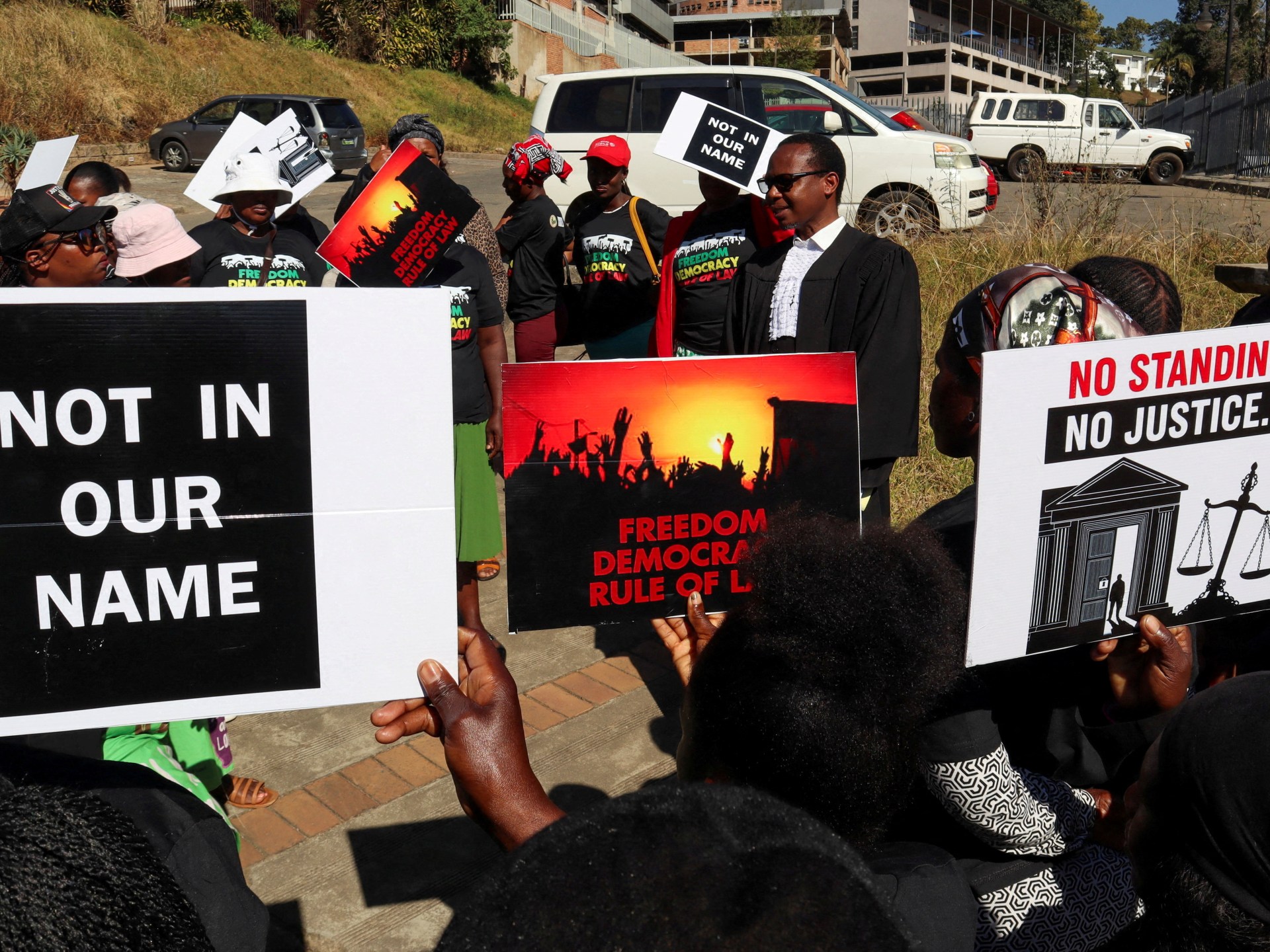
Eswatini is Africa’s last absolute monarchy, ruled by King Mswati III since 1986, amid persistent accusations of human rights abuses and suppression of dissent. The revelation of this deal adds to the ongoing debate surrounding the government’s human rights record. DZWatch will continue to monitor this developing situation.