Algeria Unveils Energy & Mining Reform Plan to IMF
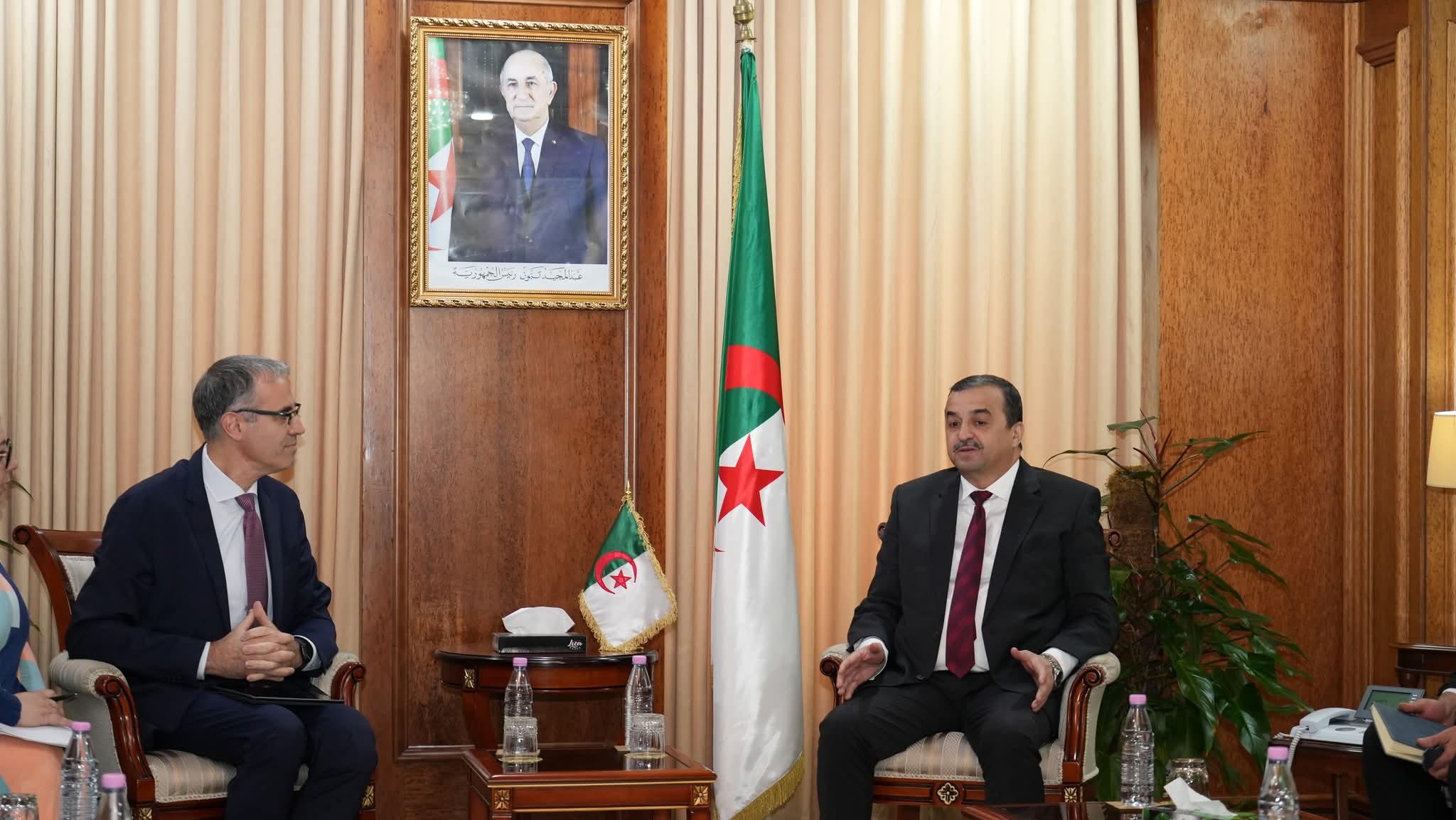
Algiers – Algeria has presented a comprehensive plan of energy and mining reforms to the International Monetary Fund (IMF), outlining a strategy designed to transform the nation’s economy. The presentation was made by the Minister of Energy and Mines during the IMF’s annual Article IV consultations with Algeria.
The meeting, which included senior ministry officials and a representative from the Bank of Algeria, focused on the progress of ongoing reforms and key strategic projects within the energy and mining sectors. The Minister provided a detailed overview of the development program, emphasizing its foundation in the President’s economic agenda and the government’s action plan.
The Minister stated that the energy and mining sectors are pivotal in diversifying the national economy, bolstering growth, ensuring energy security, and meeting domestic demand for various petroleum and gas products. He highlighted a long-term approach aimed at increasing the added value of natural resources, improving production efficiency, and developing processing industries.
Efforts to transition towards cleaner energy were also underscored, including initiatives to reduce flared gas and methane emissions, develop carbon capture projects, and support the circular economy. The discussion also covered major projects such as the zinc and lead mine in Amizour, the iron ore project in Gara Djebilet, and the Integrated Phosphate Project (PPI), which aims to establish Algeria as a leading regional producer and exporter of phosphate and nitrogen fertilizers.
Furthermore, the Minister addressed the seawater desalination program, which currently includes 19 plants with a total production capacity of 3.8 million cubic meters per day. A new program to construct six additional plants is underway, with the goal of meeting 60% of national water demand by 2030. The reforms signal a strong commitment to modernizing key sectors and strengthening Algeria’s position in the regional and global markets.