
Climate Deal Eases Rich-Poor Divide at Brazil Summit
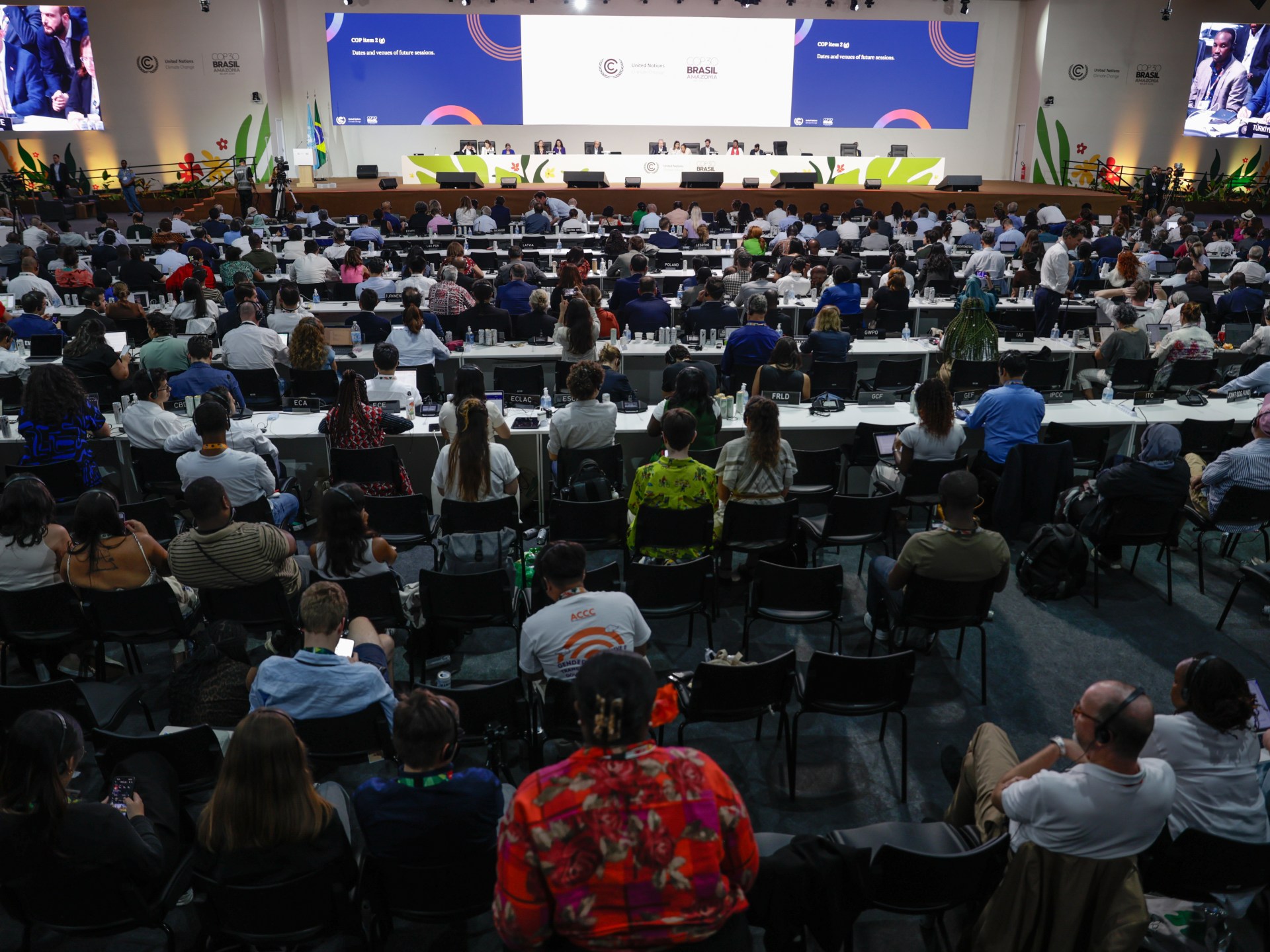
World governments reached a compromise on a climate agreement Saturday at the UN Climate Change Conference (COP30) in Belem, Brazil. The agreement aims to bolster financial aid to developing nations grappling with the impacts of global warming.
However, the settlement notably omits any direct mention of fossil fuels, the primary driver of greenhouse gas emissions. Despite this omission, Brazil hoped the global consensus would underscore the importance of addressing climate change, even in the absence of an official delegation from the United States, historically the world’s largest emitter.
The agreement, reached after extended negotiations in Belem, also exposed divisions between wealthy and developing nations, as well as governments holding conflicting views on oil, gas, and coal. Conference President Andre Correa do Lago acknowledged the challenging nature of the talks following the agreement’s completion.
“We know that some of you had greater ambitions regarding certain issues,” he stated.
Several nations voiced concerns that the summit concluded without stronger plans to curb greenhouse gas emissions or address the issue of fossil fuels. Some criticism came from Brazil’s Latin American neighbors, with Colombia, Panama, and Uruguay raising objections before Correa do Lago suspended the plenary session for further consultations.
A Colombian negotiator stated that fossil fuels are undeniably the largest contributor to greenhouse gas emissions, adding that her country could not support an agreement that ignores scientific evidence. The three nations clarified that their objections were not to the conference’s overall political agreement, but rather to a separate, more technical negotiating text intended for approval alongside the main agreement.
The three countries joined the European Union in advocating for the inclusion of language regarding a transition away from fossil fuels. A coalition of Arab nations, including Saudi Arabia, the largest oil producer, opposed such inclusion.
The final agreement represents a delicate balance between competing interests, highlighting the ongoing challenges in forging a unified global response to climate change.