Macron’s Overture to Algeria: Genuine Reconciliation or Political Gambit?
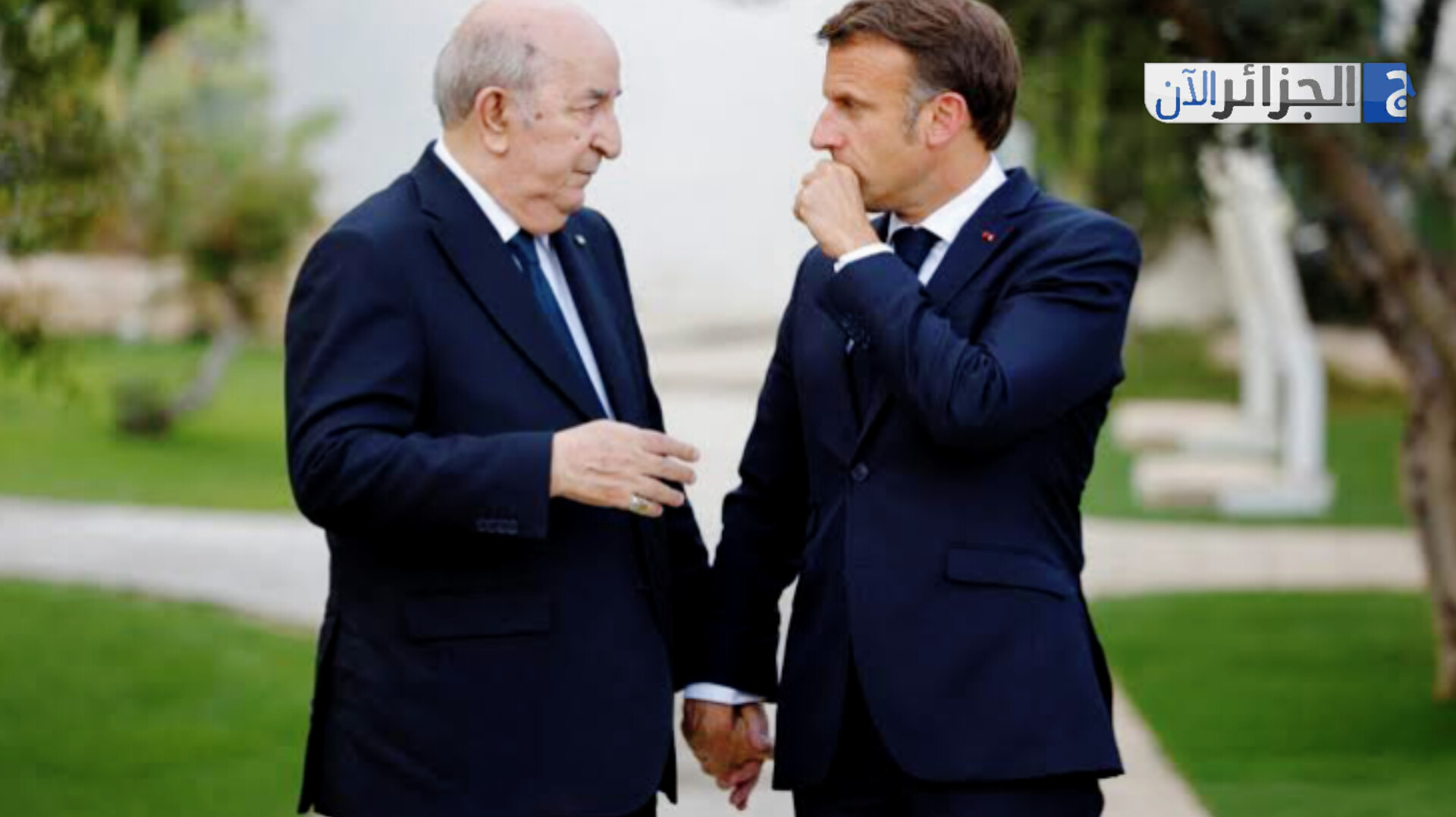
Johannesburg/Algiers – Amidst the backdrop of the G20 summit in South Africa, French President Emmanuel Macron has extended a hand towards Algeria, signaling a desire for a fresh start in bilateral relations. This move, however, raises critical questions: Is this a genuine shift in French policy, or a calculated maneuver aimed at bolstering Macron’s standing on the domestic front?
The timing and location of Macron’s pronouncements are far from coincidental. Facing mounting pressure from the far-right within France and a decline in French influence across Africa, Macron appears to be seeking a strategic foothold through renewed engagement with Algeria. His tone, noticeably more measured and pragmatic than in previous interactions, suggests a departure from the often-condescending rhetoric that has characterized Franco-Algerian relations in recent years. However, historical precedent dictates a cautious approach, as Algerians have learned to differentiate between French promises and concrete actions.
Macron’s outreach from Johannesburg was not solely focused on Franco-Algerian ties; he explicitly linked it to his internal struggle against the far-right. He alluded to elements seeking to exploit the Algerian issue for electoral gain, a clear reference to figures like Marine Le Pen and Éric Zemmour, who have capitalized on anti-Algerian sentiment to mobilize voters. This intertwining of foreign policy and domestic politics reveals a crucial aspect of Macron’s strategy: he is not only attempting to mend relations with Algeria but also to safeguard his political legacy and neutralize a potent weapon wielded by his adversaries.
The French far-right has successfully transformed Algeria into a symbol of antagonism, portraying any rapprochement as a form of national betrayal. Dr. Rachid Ben Aissa, a professor of political science, observes that Macron understands Algeria is no longer a peripheral issue. The key now lies in translating words into tangible actions that demonstrate mutual respect and benefit both nations. Respect, as experts emphasize, requires actions, not mere slogans.