Hamas Urges Urgent Action to Aid Gaza Civilians Amid Aid Shortages
Gaza Strip – Hamas is calling on regional and international mediators to urgently intervene to save civilians in the Gaza Strip, citing critical shortages in humanitarian aid and insufficient truck deliveries permitted by Israel into the besieged territory.
Hazem Qassem, a Hamas spokesperson, stated in a press release on Monday that the current volume of trucks entering Gaza “absolutely does not meet the minimum basic needs” of the population. He further explained that a significant portion of the permitted trucks are designated for commercial purposes, carrying supplementary materials deemed “unnecessary” for residents facing catastrophic humanitarian conditions.
According to the Gaza Government Media Office, the ceasefire agreement between Hamas and Israel, in effect since October 10th, stipulated the entry of approximately 600 aid trucks daily. However, Israel is allegedly allowing a maximum of only around 200 trucks per day.
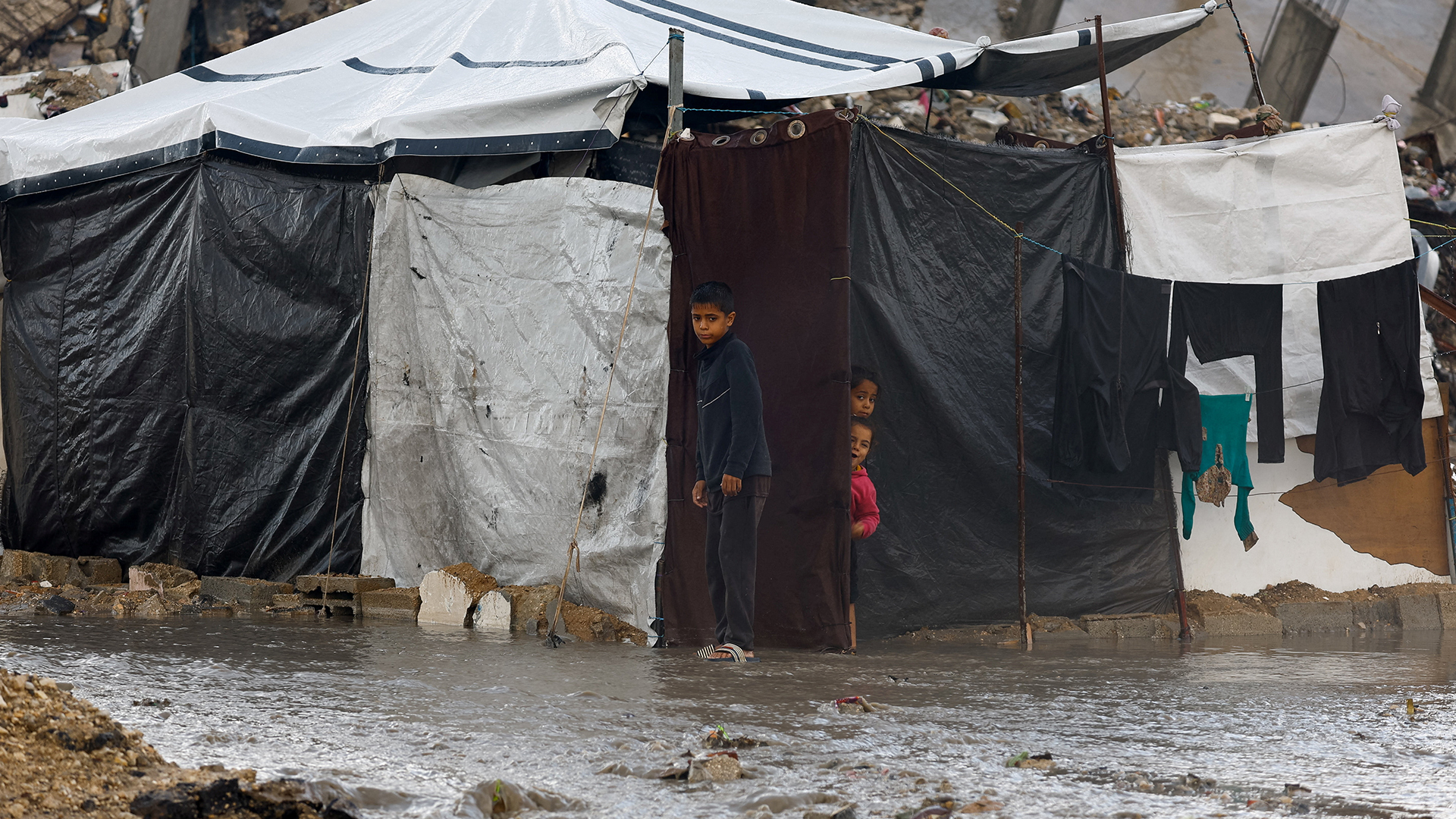
Qassem emphasized the need for a substantial increase in trucks carrying essential relief supplies, proportionate to the needs of over two million people. He argued that the current aid influx “does not cover shelter requirements,” especially with the approaching winter season and expected harsh weather conditions. He also pointed out that field observations confirm that existing shelters and tents in the Gaza Strip are unsuitable for human habitation and cannot withstand severe weather.
Last Tuesday, a powerful storm damaged over 22,000 tents housing displaced people, resulting in an estimated $3.5 million in losses after floodwaters inundated large areas of the camps, according to the Government Media Office.
Qassem highlighted that the relief protocols during the January truce and the Sharm el-Sheikh agreement emphasized the necessity of importing mobile homes (caravans). He urged mediators and concerned nations to take “serious and urgent” action to facilitate their entry before the arrival of upcoming weather systems.
Hamas also requested immediate international action to prevent a recurrence of past tragedies, where severe winter storms caused significant humanitarian disasters within displacement centers. DZWatch continues to monitor the situation as it develops.