UN Report: 16 Million Displaced Syrians Need Urgent Aid
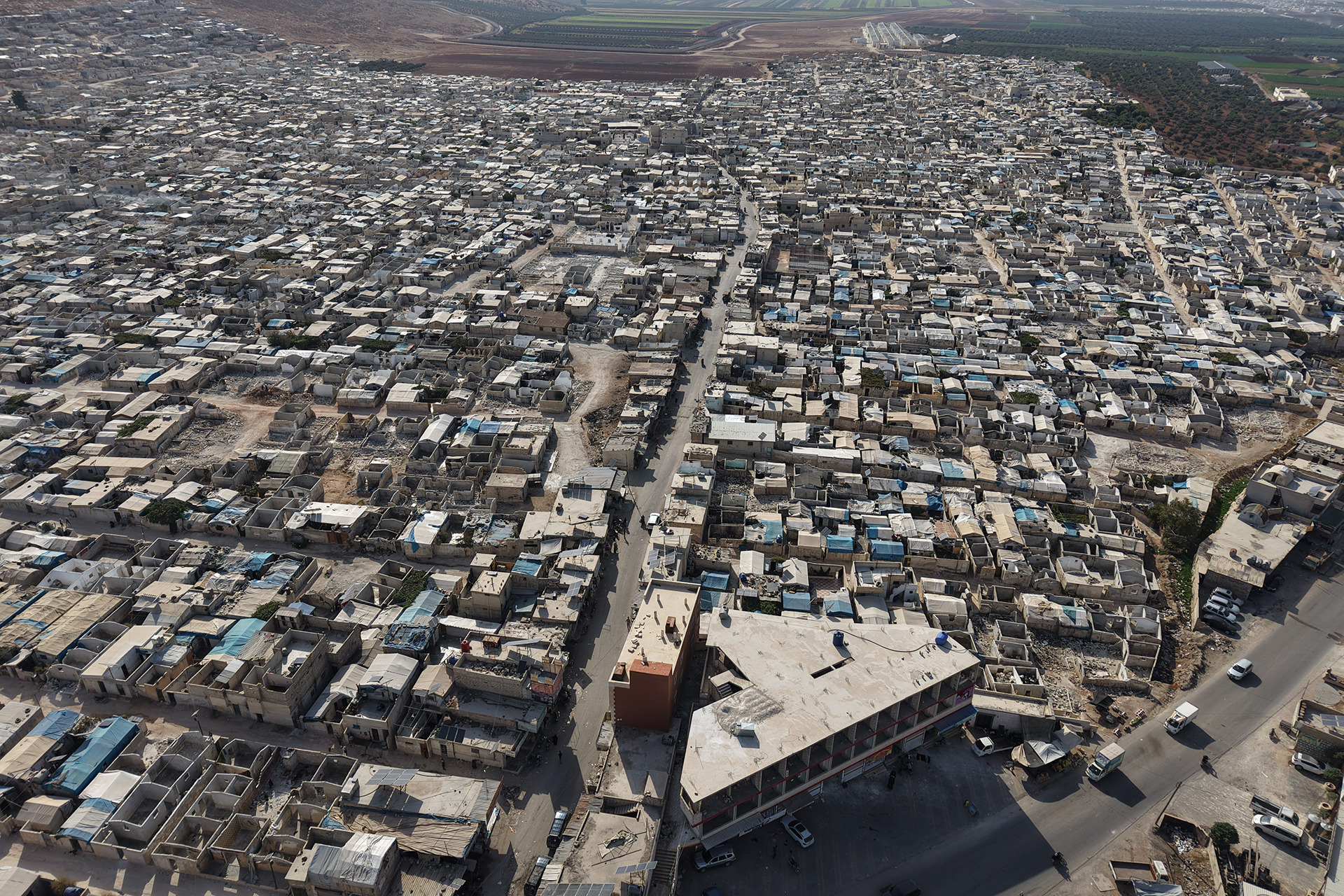
A recent United Nations report indicates that over 16 million displaced individuals within Syria are in dire need of immediate humanitarian assistance. The report highlights the scale of the ongoing crisis despite some returns to the country.
While over a million refugees have voluntarily returned from countries like Turkey, Lebanon, and Jordan, and nearly two million internally displaced persons have returned to their areas of origin following the fall of the former regime, Syria continues to grapple with one of the world’s most complex and pressing humanitarian crises. The situation remains extremely fragile.
The report reveals that over 70% of Syrian refugees live in poverty within displacement camps, facing limited access to essential services, education, and employment opportunities. Prospects for returning to their original towns are also scarce. Homes, water systems, schools, and healthcare facilities are either damaged or overburdened, and many returnees find themselves in uninhabitable homes or neighborhoods lacking basic services.
Security risks persist, including landmine contamination and instability in various regions. Millions of refugees have lost their livelihoods and are increasingly unable to meet their basic needs, including access to clean water, electricity, food, medicine, and rent. This economic vulnerability exposes them to multiple protection risks, such as child labor, gender-based violence, early marriage, and other forms of exploitation.
The report further emphasizes the difficult situation faced by Syrian refugees in neighboring countries. Economic uncertainty in nations like Lebanon has pushed Syrian refugees there into poverty, with over 90% relying on humanitarian aid for survival. The need for sustained and increased international support is critical to address the immense humanitarian challenges facing displaced Syrians both within the country and in neighboring regions. The report calls for immediate action to alleviate suffering and provide essential resources.