China Orders Military to Prepare for Taiwan Takeover by 2027
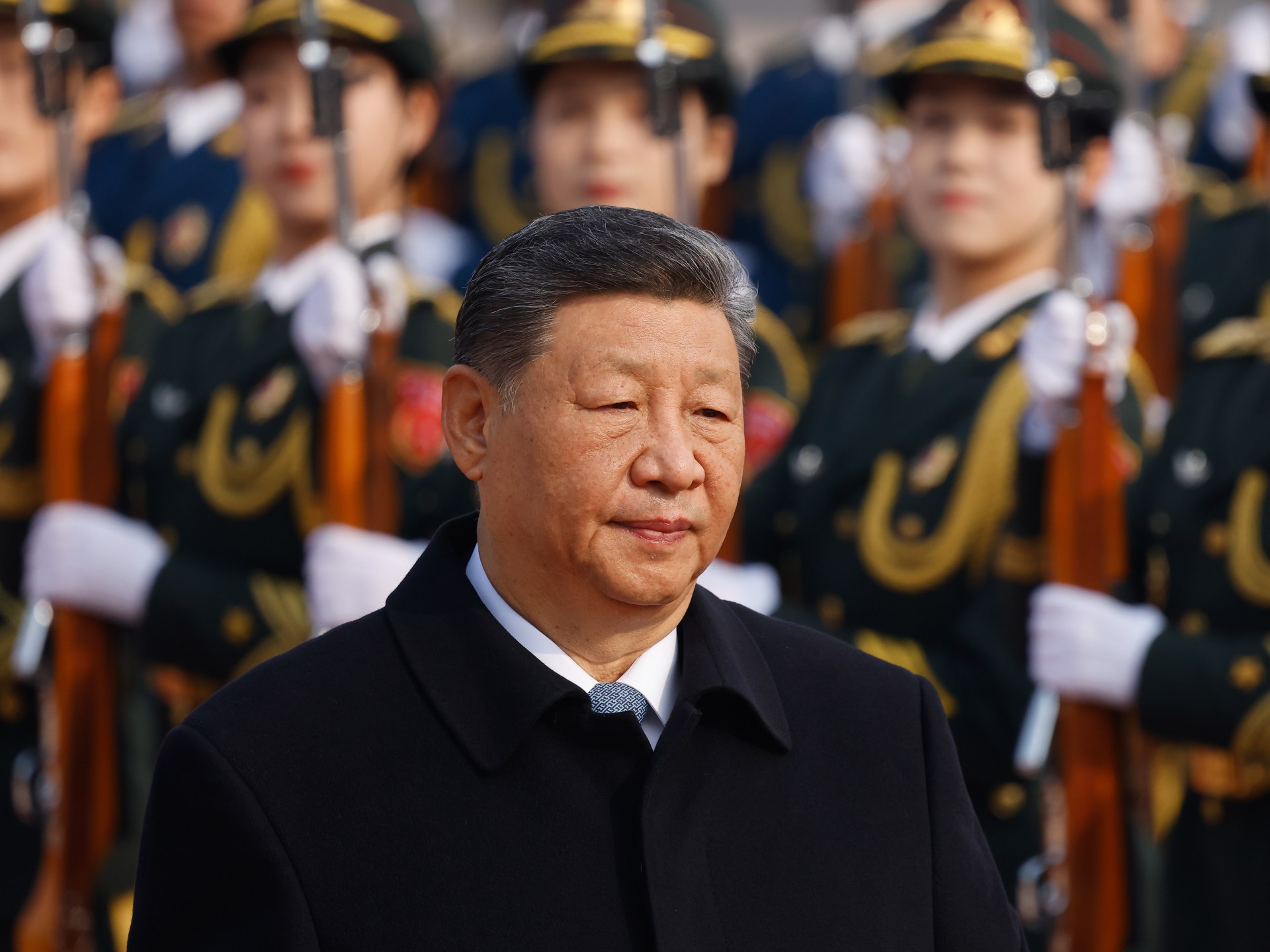
Beijing – Chinese President Xi Jinping has reportedly ordered the People’s Liberation Army (PLA) to be prepared to militarily control Taiwan by 2027, according to intelligence assessments. This timeline adds a new layer of urgency to the already tense situation across the Taiwan Strait.
The assessment highlights the evolving relationship between China and the United States, particularly noting Beijing’s increasing sense of power and confidence. This perceived shift in power dynamics follows a period marked by trade tensions and what some analysts describe as Washington’s growing isolationism.
According to Beijing-based political analyst, Shin Xui, the ‘reunification’ of Taiwan with mainland China is not a question of ‘if’ but ‘how’ and ‘when’. Xui stated that China prefers a peaceful resolution but emphasizes that this depends on foreign powers ceasing all interference in the matter.
During a phone call last November, President Xi reportedly told then-President Trump that the return of Taiwan to China is an integral part of the post-World War II international order – an order established when China and the United States together defeated Japan in 1945. This statement underscores Beijing’s historical perspective and its view of Taiwan’s place within that framework.
The sensitivity surrounding Taiwan was further highlighted by Beijing’s strong reaction to comments made by Japanese politicians regarding potential military intervention in the event of a Chinese invasion. China responded with economic and diplomatic measures against Japan, demanding a retraction of the statement and questioning Japan’s sovereignty over Okinawa.
The status of Taiwan remains one of the most contentious issues between China and the United States. Beijing considers Taiwan a renegade province and has not ruled out the use of force to bring it under its control. While the United States does not officially recognize Taiwan’s independence and maintains no formal diplomatic relations, it is the island’s primary arms supplier. Meetings between U.S. and Taiwanese officials are considered diplomatically sensitive and often draw strong condemnation from Beijing.