Lebanon, Israel Trade Barbs After Rare Truce Meeting
A rare meeting between Lebanese and Israeli representatives has sparked a war of words, highlighting the deep divisions that persist despite ongoing efforts to maintain a fragile truce. The meeting, described as a technical military discussion to oversee the cessation of hostilities between Israel and Hezbollah, took place in Naqoura, southern Lebanon, marking the first direct engagement between civilian representatives from both countries in decades.
The U.S. Embassy in Beirut stated that the participation of former Lebanese Ambassador Simon Karam and Yuri Resnick, a senior foreign policy director in the Israeli National Security Council, demonstrated a commitment to facilitating political and military discussions aimed at achieving lasting security and peace. The embassy further noted that the inclusion of civilian figures was a significant step towards ensuring that the committee’s work is grounded in sustainable civil dialogue, alongside military engagement.
However, the tone shifted following statements from Israeli Prime Minister Benjamin Netanyahu’s office. According to them, Israel emphasized the necessity of disarming Hezbollah and exploring potential avenues for economic cooperation. They stated that the meeting, attended by U.S. Envoy Morgan Ortagus, occurred within the framework of ongoing security dialogue between the United States, Israel, and Lebanon. The Prime Minister’s office also claimed that the discussions were held in a positive atmosphere, with both sides formulating ideas for potential economic collaboration and agreeing to continue the dialogue. Israel reportedly clarified that the disarmament of Hezbollah remains a non-negotiable prerequisite, irrespective of any economic cooperation.
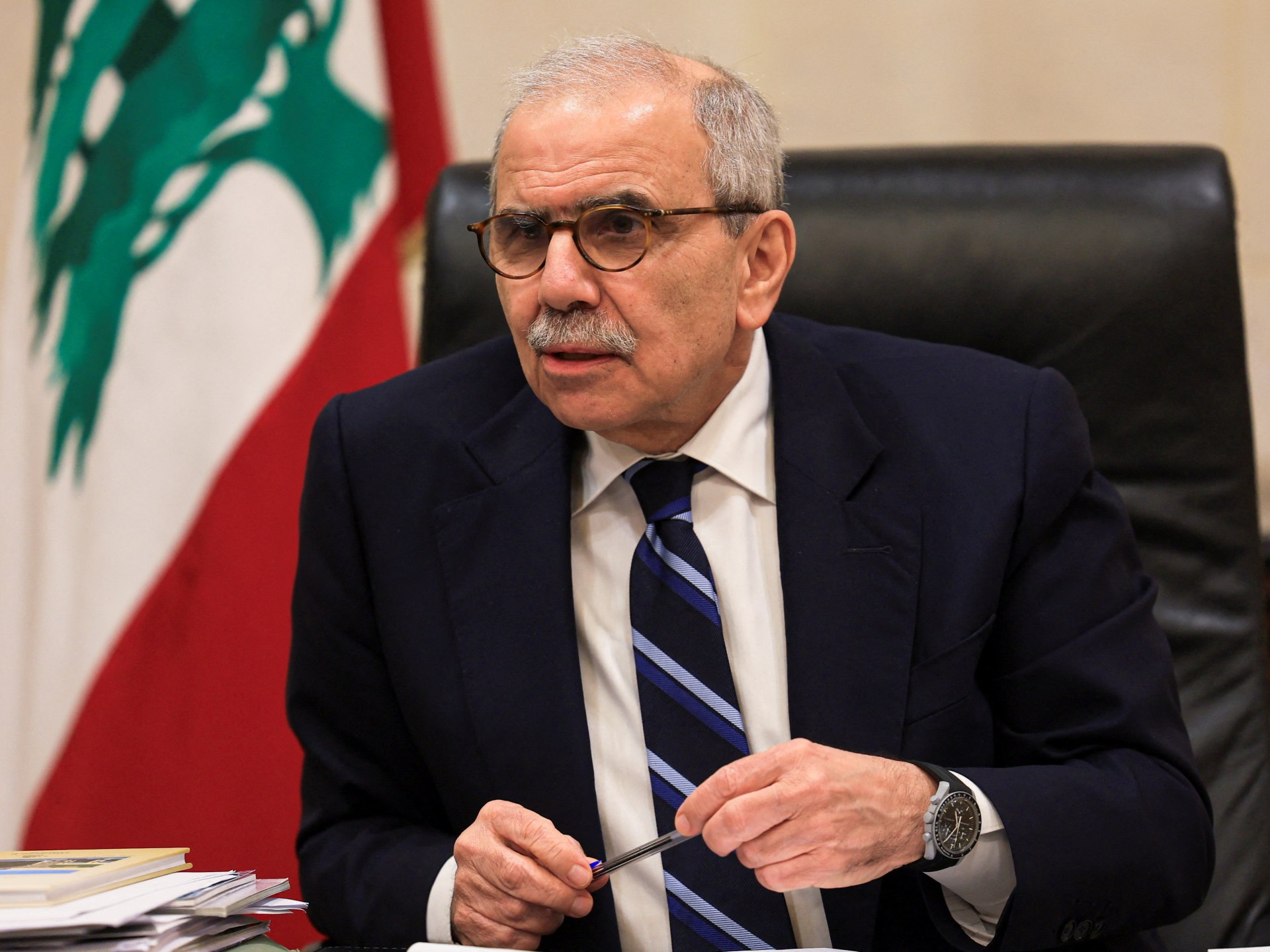
This narrative was swiftly countered by Lebanese Prime Minister Nawaf Salam, who asserted that Lebanon is not engaged in peace negotiations or normalization with Israel. Salam criticized Netanyahu’s characterization of the decision to include a civilian diplomat in the committee, arguing that it misrepresented Lebanon’s position. He clarified that while Lebanon is open to including civilians in its delegation to the supervisory committee, this should not be interpreted as a willingness to engage in broader peace talks or normalization. Salam emphasized that Lebanon is prepared for negotiations on military matters only, underscoring the limited scope of the engagement.
The contrasting statements underscore the complexities and sensitivities surrounding any interaction between Lebanon and Israel, even within the narrow context of monitoring a ceasefire. The future of these discussions remains uncertain, contingent on navigating the significant disagreements that continue to define their relationship.