Belarusian President Concludes Official Visit to Algeria
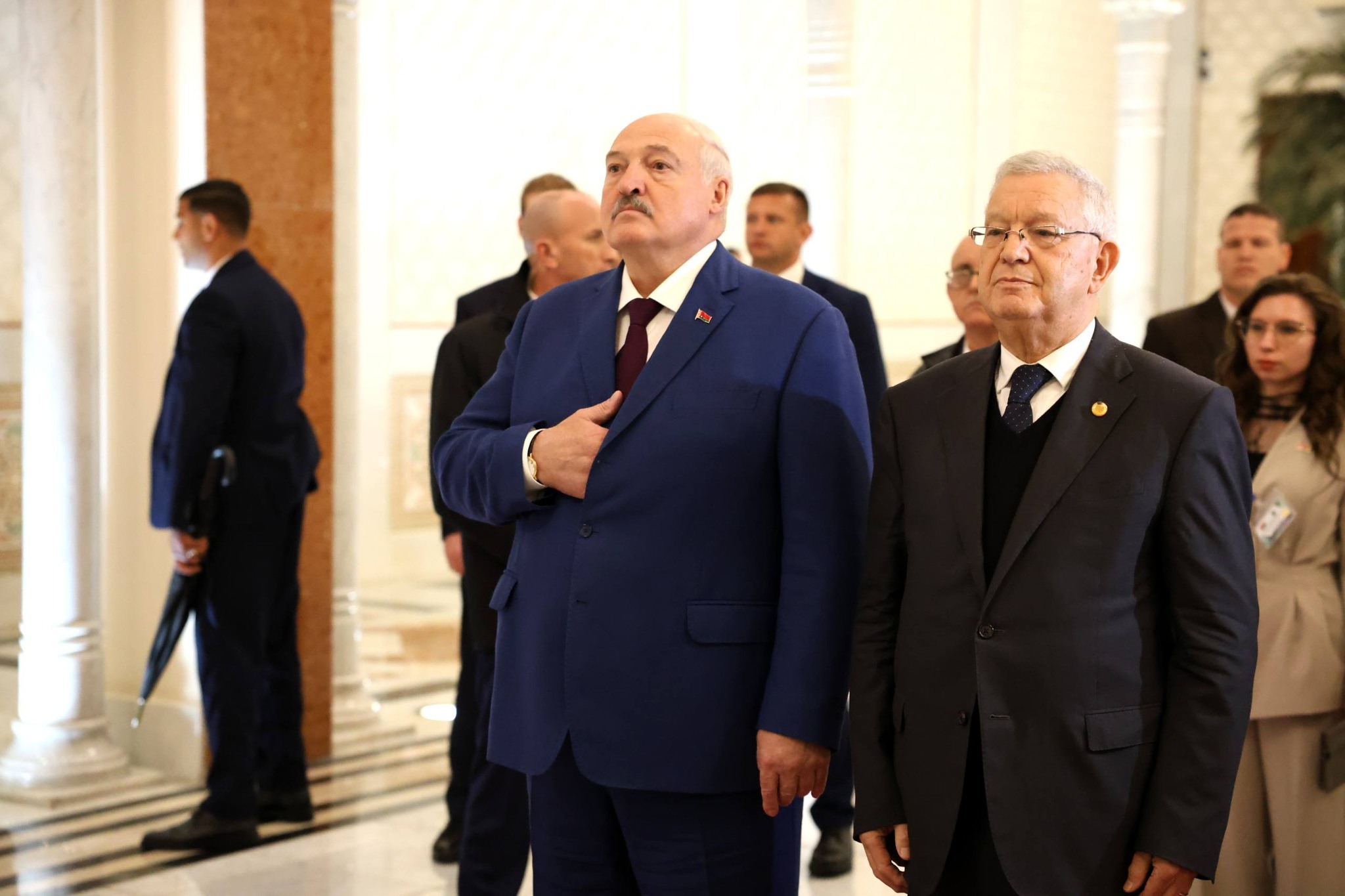
President Alexander Lukashenko of Belarus concluded his official visit to Algeria on Wednesday evening. He was seen off at Houari Boumediene International Airport by the Speaker of the Algerian Council of the Nation, Salah Goudjil.
The visit culminated in the signing of a joint declaration by President Abdelmadjid Tebboune of Algeria and President Lukashenko, aimed at strengthening the partnership and friendly relations between the two nations.
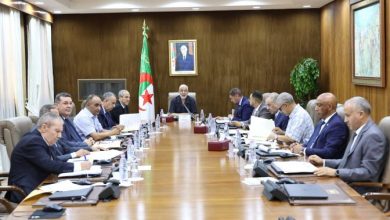
The two leaders also oversaw the signing ceremony of several agreements and memoranda of understanding covering various areas of cooperation. This followed private talks held at the Presidential Palace, which were later expanded to include delegations from both countries.
These agreements encompass enhanced military and technical cooperation between the two governments, as well as a roadmap for promoting trade, economic, scientific, and technical cooperation for the period of 2026-2027. They also included cooperation in the fields of justice, higher education, scientific research, technological development, innovation, industrial cooperation, agriculture, animal health, entrepreneurship, and accreditation.
In a joint press statement with his Belarusian counterpart, President Tebboune stated that this visit, the first of its kind at this level, reflects the “shared political will to strengthen relations between the two countries.” He noted that it follows two key milestones in the relationship: the celebration of the 30th anniversary of the establishment of diplomatic relations and the first session of the Joint Governmental Committee in Belarus, “with encouraging outcomes.“
President Tebboune revealed that the second session of this committee “will be held in Algeria in the coming weeks.“
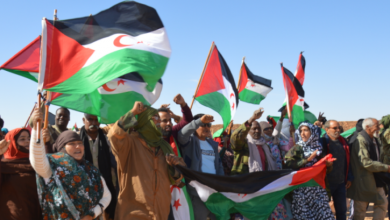
On this occasion, President Tebboune reaffirmed Algeria’s support for finding a just solution that restores the legitimate rights of the Palestinian people and establishes their independent state, as well as a just political solution that enables the people of Western Sahara to exercise their right to self-determination. He also emphasized the need for a peaceful resolution to the Libyan conflict through consensus and dialogue among Libyans, the holding of elections, and the rejection of foreign interference.
He affirmed that the meeting provided an opportunity to exchange views on developments in the Russia-Ukraine conflict, stressing the need to “promote dialogue and negotiations as a means of avoiding escalation and reaching a peaceful solution based on international cooperation and the United Nations Charter.“