
Sudan Faces Worsening Famine Amid Ongoing Conflict
Millions of Sudanese civilians are struggling to access sufficient food as conflict continues to ravage cities, villages, and displacement camps. Figures indicate a widespread famine across Sudan, exacerbated by ongoing war and displacement.
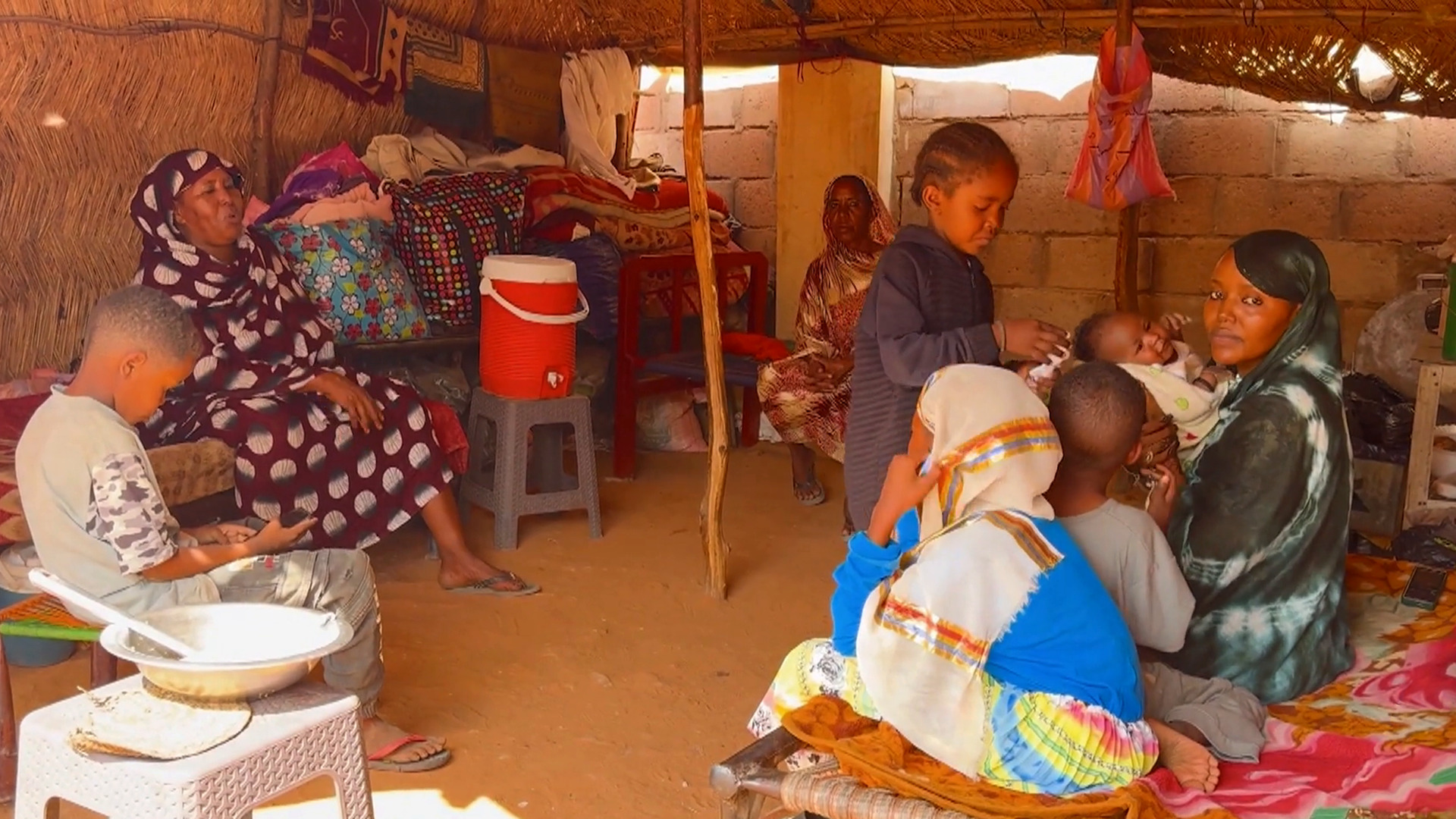
The escalating food crisis is particularly dire for displaced families, facing hunger and exhaustion in already challenging conditions. Eyewitness accounts from displacement camps paint a bleak picture, with reports of families lacking basic necessities like food, water, and bedding.
Sudanese citizens find themselves caught between the ravages of war and the threat of famine. Huda Ali Mohammed, a displaced mother of four, exemplifies this struggle as she prepares meager meals in a makeshift shelter in Tawila, North Darfur, amidst incredibly difficult living conditions. Similarly, another displaced woman receiving treatment at a Doctors Without Borders clinic after fleeing violence in El Fasher, the capital of North Darfur, suffers from malnutrition and inadequate care.
Local volunteers are attempting to alleviate the suffering by running community kitchens in Omdurman (Greater Khartoum), providing meals to families affected by fighting and hunger. However, the scale of the crisis is immense.
Data reveals the alarming extent of famine across Sudan. Food insecurity affects over 21 million people nationwide, representing one of the highest rates in recent years. While over 14 million are experiencing a food crisis, 6.3 million are in a state of emergency, requiring immediate intervention. Furthermore, over 375,000 individuals in El Fasher and Kadugli, the capital of South Kordofan, are facing famine conditions.
The situation demands urgent attention and increased humanitarian aid to prevent further suffering and loss of life.