Tunisian Labor Union Announces Nationwide Strike
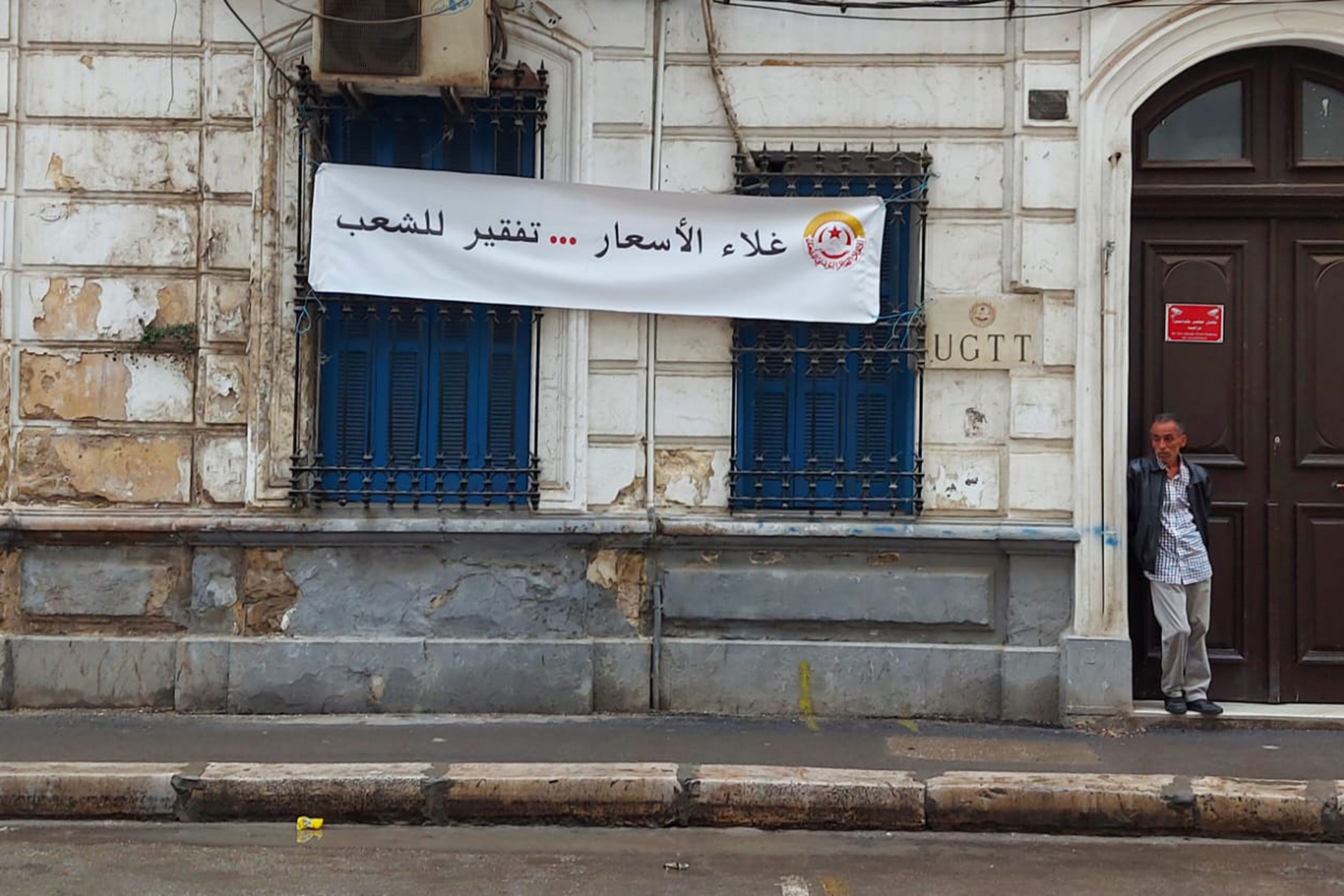
The General Labor Union of Tunisia (UGTT), the nation’s largest trade union, has announced a nationwide general strike scheduled for January 21st. The strike is a protest against perceived restrictions on rights and freedoms and demands for wage negotiations, marking a significant escalation in the ongoing tension with President Kais Saied amid escalating economic and political pressures.
The UGTT, wielding considerable influence and boasting approximately one million members, has warned of a deteriorating situation in Tunisia. The union has condemned the decline in civil liberties and efforts to silence political parties and civil society organizations, vowing to resist what it describes as a setback.
Addressing hundreds of supporters, UGTT Secretary-General Noureddine Taboubi stated, “Your threats and your prisons will not intimidate us… We are not afraid of prison… We will continue our struggle.” The union is demanding the immediate opening of negotiations regarding wage increases and the implementation of all suspended agreements that authorities are allegedly refusing to honor.
The 2026 finance law approved a wage increase, but without any negotiations with the UGTT and without even specifying its percentage. This move is widely viewed as a renewed attempt by the government to marginalize the role of the union.
The UGTT’s decision to strike highlights growing discontent within civil society over a perceived significant decline in freedoms and an accelerating campaign to suppress opposition, journalists, and civil society organizations. This comes in addition to a cost-of-living crisis that has pushed many Tunisians to the brink of poverty.
Human rights organizations claim that since 2021, President Saied has been dismantling or marginalizing dissenting voices and civil society organizations, including the UGTT, imprisoning most opposition leaders, and tightening his control over the judiciary. Saied denies these accusations, asserting that his actions are legal and aim to halt widespread chaos, while maintaining that he does not interfere with the judiciary.
Although the UGTT initially supported Saied’s decision to dissolve the elected parliament in 2021, it has since opposed his subsequent measures, describing them as an “attempt to consolidate one-man rule.”