
New US Security Strategy Shocks Europe, Alarms Allies
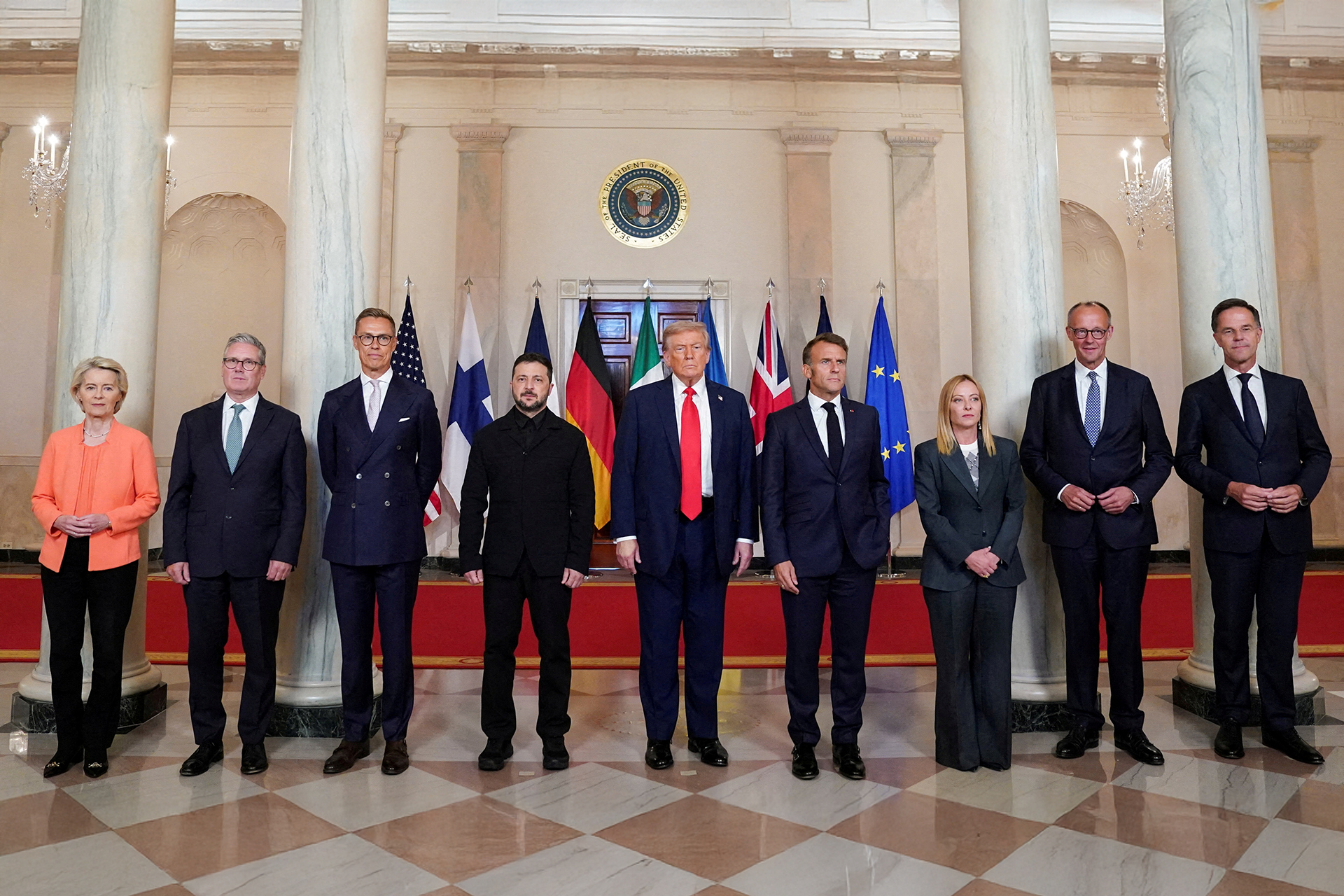
A dramatic shift in American foreign policy has sent shockwaves through European capitals, as the Trump administration unveils a new National Security Strategy that appears to prioritize domestic concerns over traditional alliances. The strategy, in an unprecedented move, seemingly reframes the perception of European democracies, potentially viewing them not as steadfast allies, but as possible impediments to American interests.
The document reportedly expresses concerns regarding demographic shifts within Europe, focusing primarily on immigration trends. It warns of potential cultural changes and suggests that non-European populations could become a majority in certain European nations, sparking worries about the future of Western civilization. This rhetoric has fueled anxieties among European leaders, who fear a weakening of transatlantic bonds.
DZWatch has learned that the strategy seemingly praises the rise of right-wing parties in Europe, viewing them as a source of optimism and potentially reliable partners for the United States. The document purportedly signals a willingness to support their ascent, echoing Cold War-era rhetoric regarding dissidents within the Soviet Union. This approach has sparked criticism, with some observers suggesting it aligns with far-right narratives and conspiracy theories.
The strategy raises serious questions about the future of the transatlantic alliance and the United States’ commitment to its European partners. It has prompted concerns that the Trump administration may prioritize a potential peace agreement with Russia, even if it comes at the expense of Ukraine’s sovereignty. The document also suggests that the United States is pushing Europe to take primary responsibility for its own security, potentially signaling a reduction in American involvement in European affairs.
This shift in American policy could have profound implications for global security and stability. European nations are now grappling with the potential consequences of this new strategy, leading to intensified efforts to coordinate their own defense policies and strengthen their relationships with other allies. The long-term impact of this strategic recalibration remains to be seen, but it undoubtedly marks a pivotal moment in transatlantic relations.