Iran: IAEA Safeguards Inadequate for Post-Conflict Scenarios
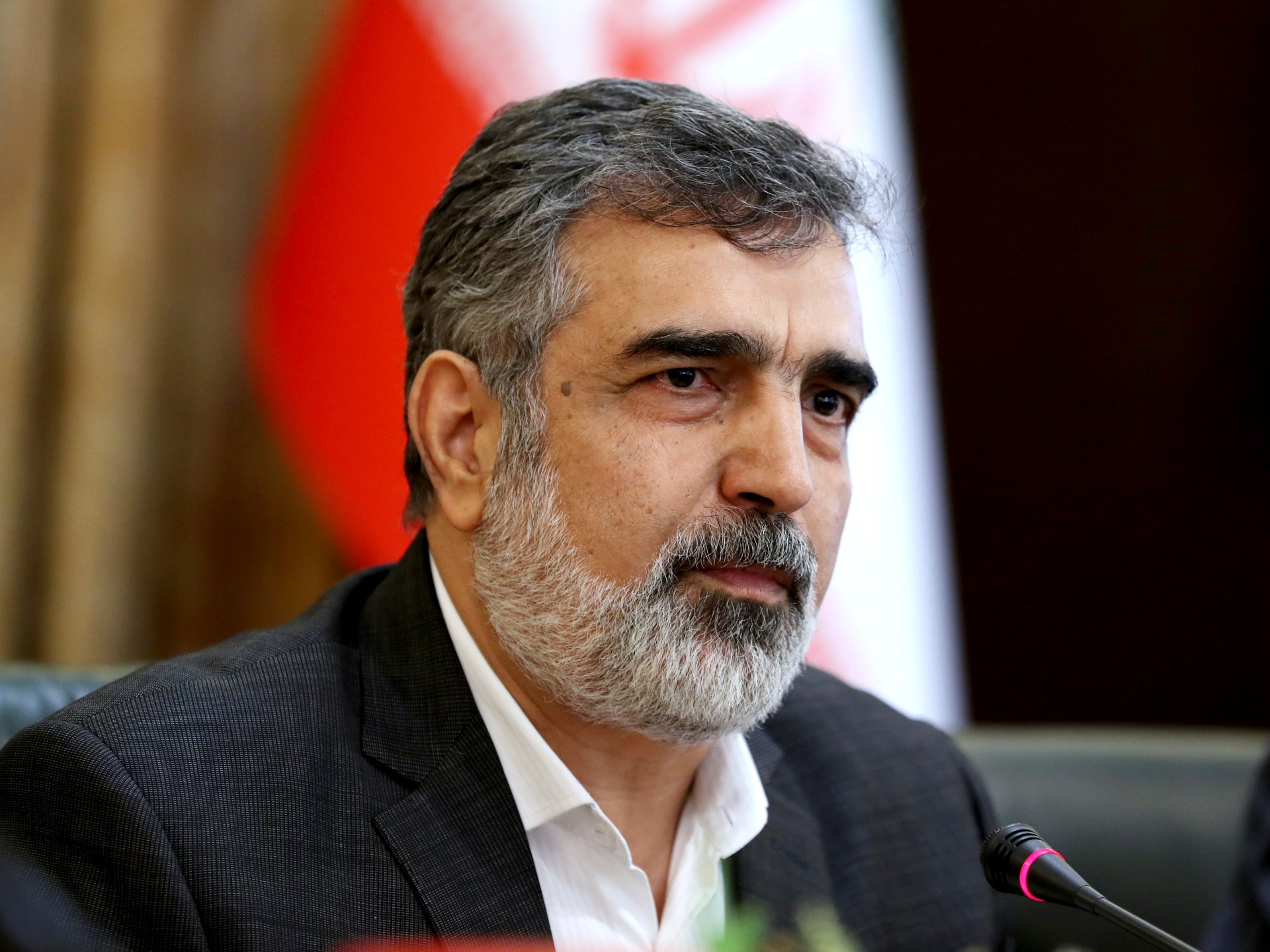
Tehran – Iran believes its nuclear safeguards agreement with the International Atomic Energy Agency (IAEA) requires revisions to address the realities of a post-conflict environment, according to a senior Iranian official.
Behrouz Kamalvandi, spokesperson for the Atomic Energy Organization of Iran (AEOI), stated that the current safeguards agreement was “not designed for wartime conditions” and is “unable to meet the demands of the post-conflict period.” He emphasized the need for adjustments to both the agreement itself and its implementation mechanisms.
In an interview with the official Iranian news agency IRNA, Kamalvandi asserted that a politicized atmosphere within the IAEA is complicating cooperation. He accused certain Western powers of using the IAEA Board of Governors as a tool to exert pressure on Iran and prevent the country from fully benefiting from its peaceful nuclear capabilities.
Kamalvandi highlighted the broad applications of nuclear technology in Iran, stating that it is present in various aspects of life. He noted that the AEOI is responsible for securing a portion of the country’s electricity needs through nuclear power plants.
He pointed out that IAEA models suggest nuclear power should account for approximately 10% of Iran’s total electricity generation capacity. “If the nominal capacity of the country’s power plants is between 80,000 and 100,000 megawatts, this means we need 8,000 to 10,000 megawatts of nuclear electricity. Currently, we only have about 1,000, meaning there is a gap of approximately 9,000 that must be filled,” Kamalvandi explained.
Beyond energy, Kamalvandi emphasized the use of nuclear technology in healthcare, agriculture, and reducing food production waste. He noted that Iran’s arid climate necessitates the development of drought-resistant crops, and that nuclear technology can accelerate this process, reducing the time required from decades to mere months.
Regarding nuclear medicine, Kamalvandi stated that Iran currently produces approximately 73 types of radiopharmaceuticals, including “5 or 6 varieties that are entirely produced domestically.” He stressed their importance in cancer treatment, particularly in light of what he described as a “rising wave” of cancer cases.