US Pressure Mounts on EU Over Russian Asset Usage for Ukraine
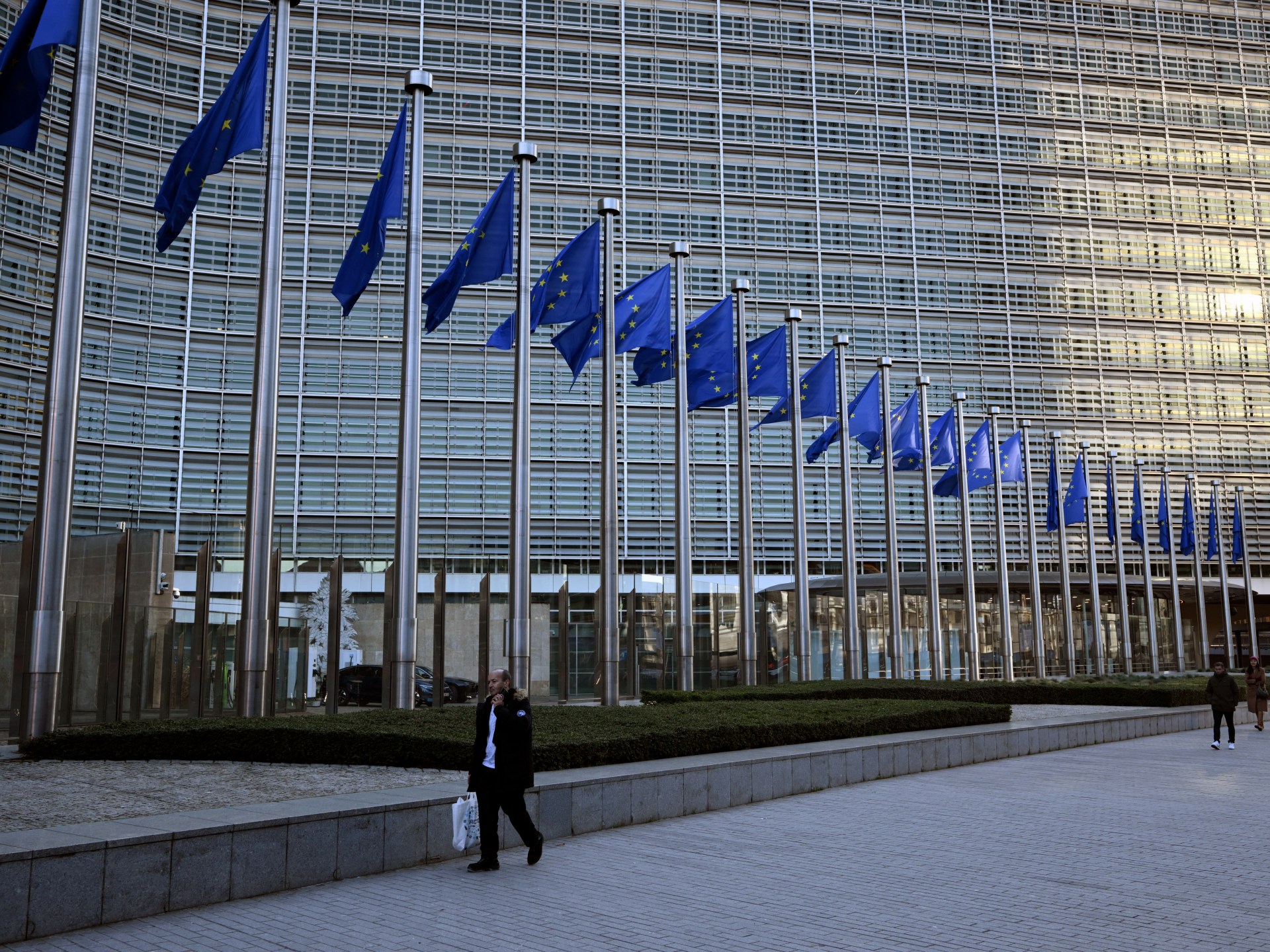
Tensions are reportedly escalating between the United States and the European Union regarding the EU’s proposal to utilize approximately €210 billion in frozen Russian assets to finance Ukraine. The issue is expected to be a key point of discussion at the upcoming EU summit.
EU member states previously agreed to indefinitely freeze the Russian assets, totaling €210 billion, reaffirming their commitment to increasing the financial burden on Russia for its ongoing war in Ukraine. Moscow has warned of severe consequences should the EU proceed with such a plan.
While the EU aims to keep the assets frozen until Russia compensates Ukraine for damages incurred, reports suggest growing American pressure to reject the current European plan, specifically a proposal to grant Ukraine a loan using the frozen Russian funds.
“The chances of reaching an agreement on the frozen Russian assets have diminished,” one high-ranking European official reportedly stated.
While some European sources have alluded to American pressure, a White House spokesperson denied these claims, stating Washington’s role is limited to facilitating dialogue between parties to reach an agreement.
The European Union seeks to ensure Ukraine’s continued ability to defend itself, viewing the Russian military action as a direct threat to European security. To achieve this, EU nations are exploring the possibility of leveraging some of the sovereign Russian assets frozen since the start of the conflict in 2022.
Approximately €210 billion in Russian assets are currently held within the EU, with a significant portion (€185 billion) located in Belgium. France holds €18 billion, with smaller amounts in Luxembourg, Germany, and Sweden.
Despite the reported disagreements, diplomatic sources suggest that the EU is making progress toward a solution regarding the financing of Ukraine using frozen Russian assets, though key decisions remain to be made.