Trump Signs Bill, Effectively Ends Caesar Act Sanctions on Syria
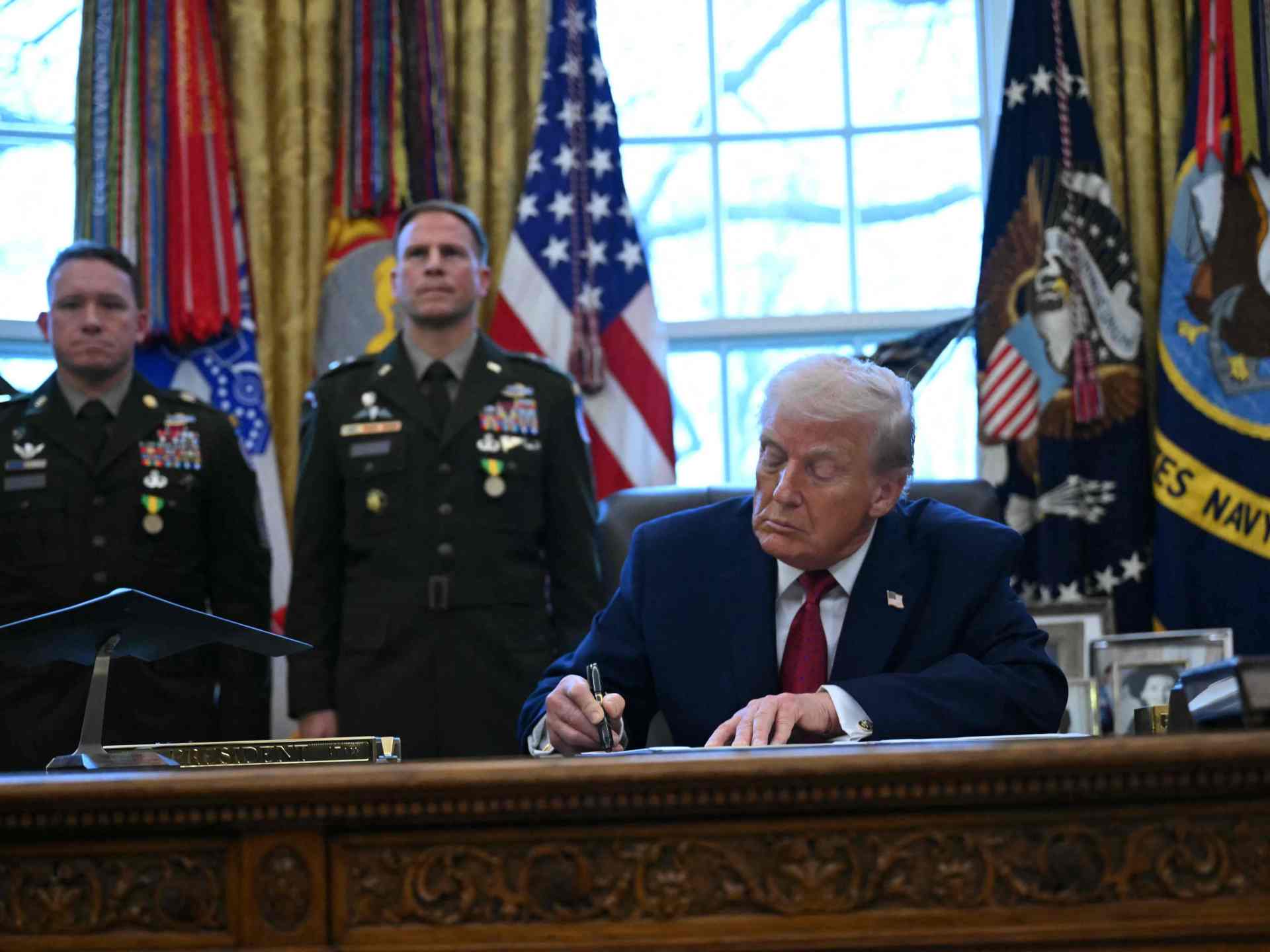
Washington D.C. – In a move that signals a potential shift in US foreign policy, President Donald Trump has signed the National Defense Authorization Act (NDAA) for 2026. The bill, encompassing a defense budget exceeding $900 billion, includes a provision that effectively rescinds the Caesar Syria Civilian Protection Act of 2019.
The Caesar Act, enacted to penalize the Syrian government for alleged war crimes, imposed broad sanctions targeting individuals, companies, and institutions associated with the regime of former President Bashar al-Assad, who was ousted in 2024.
The NDAA, approved by Congress and signed by the President away from public cameras, outlines US defense priorities and mandates the White House to provide regular reports to Congress over the next four years. These reports must affirm the Syrian government’s continued commitment to combating terrorism and drug trafficking, protecting minorities, and pursuing peace with neighboring countries.
Crucially, the law stipulates that the US President can reimpose specific sanctions on Syria if the reports are consistently negative over two consecutive periods.
The Senate approved the 2026 defense budget, including the repeal of the Caesar Act sanctions, before sending it to President Trump for signature. The House of Representatives had previously approved the measure. The Syrian government has reportedly welcomed the move, suggesting it will revitalize the nation’s economy under the leadership of President Ahmed al-Shara.
The lifting of sanctions is expected to pave the way for renewed foreign investment and assistance to support the Syrian government. The American sanctions had been a significant impediment to Syria’s economic recovery, and their removal is seen as a testament to the new government’s success in restoring stability.