Civilian Casualties Mount in Sudan Amidst Escalating Conflict
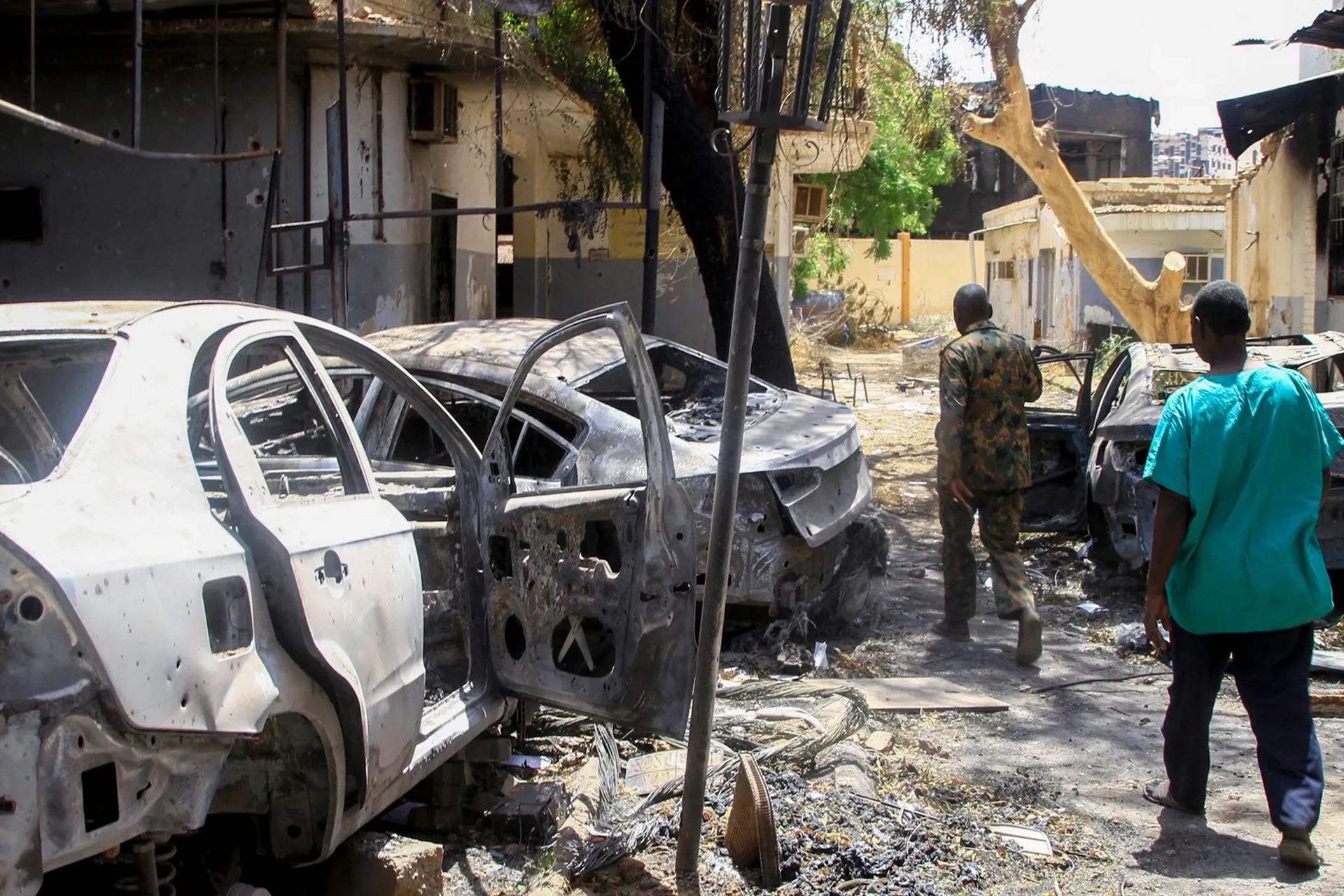
At least sixteen people, including women and children, have been killed in artillery shelling in the city of Al-Dilling, South Kordofan, according to the Sudanese Doctors’ Network. The organization attributed the shelling to the Rapid Support Forces (RSF) and the Sudan People’s Liberation Movement-North (SPLM-N) over the past 48 hours.
The Sudanese Doctors’ Network strongly condemned what they described as the deliberate targeting of Al-Dilling, emphasizing that attacks on residential areas constitute a blatant violation of international humanitarian law. They stated that such actions exacerbate the suffering of civilians and place undue strain on already limited healthcare resources. The network urged the international community to pressure the RSF and SPLM-N to immediately cease attacks on civilians and civilian infrastructure, ensure the protection of medical personnel, and facilitate humanitarian access to those affected.
The cities of Kadugli and Al-Dilling in South Kordofan have been under siege by the RSF and SPLM-N since the early months of the conflict, which has now lasted for over two years. According to United Nations estimates, more than 50,000 people have fled the violence in the three states of the Kordofan region (North, West, and South) since last October.
Separately, the Electricity Company reported that three members of the civil defense team at the Al-Muqran power plant in Atbara, River Nile State, were killed in a drone attack. The company stated that power outages occurred in several states following the targeting of feeder transformers.
The United Nations has also reported that over one thousand civilians were killed during the RSF’s takeover of the Zamzam camp in Al-Fashir, North Darfur. UN High Commissioner for Human Rights Volker Türk stated that the intentional killing of civilians or those unable to fight may constitute a war crime. The Zamzam camp in the Darfur region of western Sudan housed approximately half a million displaced people prior to the RSF’s offensive in April.
Reports also indicate a worsening humanitarian situation in conflict zones, with displaced persons facing increased risks of abduction and sexual violence.