Israeli Government Faces Potential Financial Collapse in 2026
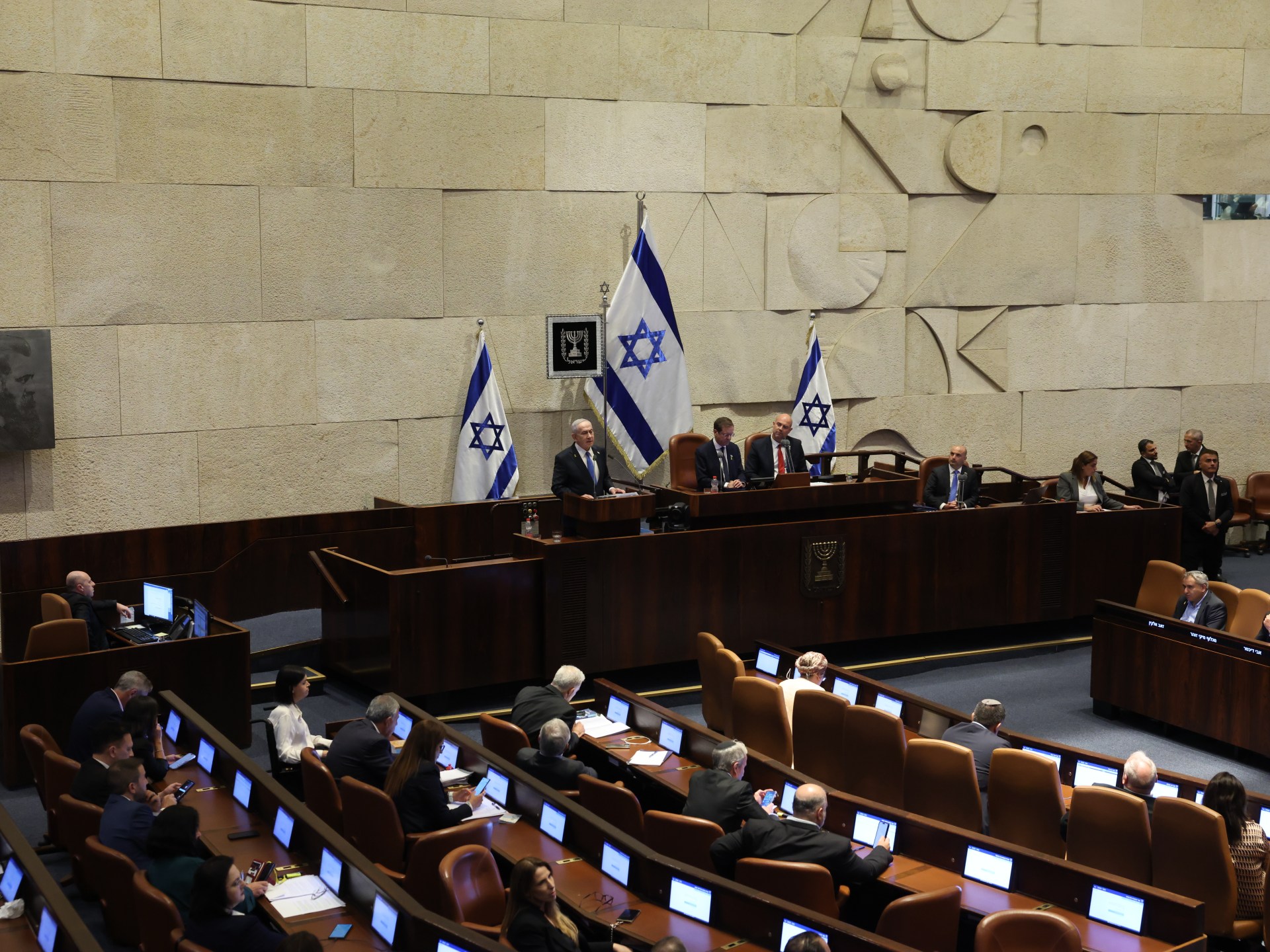
Jerusalem – The Israeli government is facing a looming financial crisis that threatens to paralyze its operations in 2026. A stark warning issued by the Finance Ministry’s Accountant General, Yahli Rotenberg, highlights the severe consequences of operating without an approved budget.
According to a report, a formal letter sent by Rotenberg to various government ministries and units paints a grim picture of the state’s functionality if it continues to operate under a transitional budget. He warns of an unprecedented financial gap that could effectively cripple governmental activity.
Rotenberg’s letter, titled ‘Government Operations Without an Approved Budget,’ emphasizes that the legal framework for the 2026 transitional budget, based on a ‘1/12’ mechanism from the 2025 budget with limited inflationary adjustments, is no longer adequate to meet the state’s actual obligations. This mechanism allows ministries to spend one-twelfth of the previous year’s budget each month.
The Accountant General pointed to a significant financial shortfall estimated at approximately 55 billion shekels (around $17.15 billion), equivalent to about 2.6% of the GDP. This gap is considered the largest in the history of transitional budgets, dwarfing previous deficits that ranged between 15 and 20 billion shekels, according to the report.
Rotenberg warned that operating without an approved budget is incompatible with the current expenditure structure and the level of services actually provided. Ministries will be forced to drastically reduce their activities and focus solely on the bare minimum operational requirements necessary to maintain essential services.
He further stated that this situation would lead to a sharp decline in governmental implementation capacity, directly impacting the quality of services provided to citizens. The most dangerous scenario, according to Rotenberg, is the failure to approve a budget for a significant portion of the year. He cautioned against delays, freezes, and potential cessation of payments to government suppliers not directly related to essential services.