European Armies Prepare for Potential Russia Clash: Report
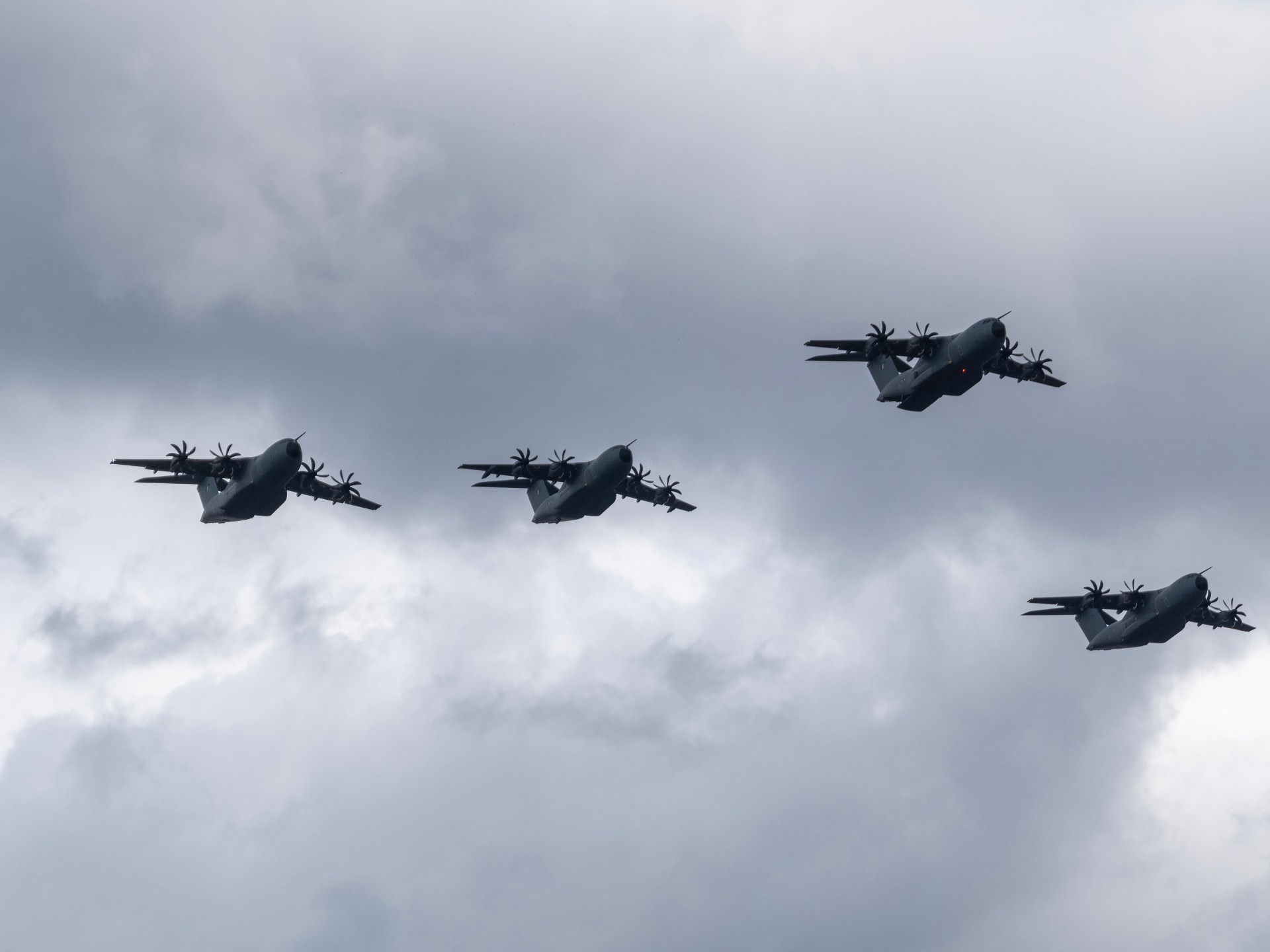
European military and political leaders are increasingly shifting from mere warnings to active preparations for a potential military confrontation with Russia in the coming years. This shift comes nearly four years after the start of the war in Ukraine, with European capitals now viewing Moscow as a direct and immediate threat to the continent’s security.
NATO Secretary-General Mark Rutte has cautioned that Europe could face a war “on a scale our grandparents knew,” outlining scenarios involving widespread destruction, mass mobilization, millions of displaced people, and significant loss of life. According to military sources, this rhetoric aims to shock and raise public awareness about the gravity of the situation.
A recent article highlights a notable shift in discourse, with a renewed emphasis on “strategic anticipation” within decision-making circles, from military planning offices and intelligence agencies to research centers and political spheres.
France, for example, has reportedly established “red teams” within its military institutions. These teams are tasked with simulating the role of Russian decision-makers and identifying potential European vulnerabilities. Discussions are focusing on the nature of a potential confrontation after the cessation of hostilities in Ukraine.
Key questions being considered include: How might Russia act? What are its objectives? How would the United States or China react? And do European countries, particularly France, possess the capacity to withstand a prolonged conflict?
In the absence of definitive intelligence indicators regarding the Kremlin’s intentions, military leaders believe that uncertainty itself is a risk factor that necessitates preparedness. NATO has already updated its regional defense plans, which outline how to respond to any potential attack in each region of Europe. These plans serve as a framework for member states.