Global Media: Security Approach Deepens Iranian Nuclear Impasse
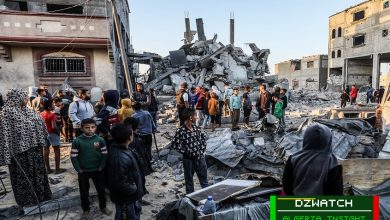
International news outlets are extensively covering the Israeli-Palestinian conflict, highlighting the escalating risks faced by journalists in Gaza and the profound internal ramifications of the war on Israeli society.
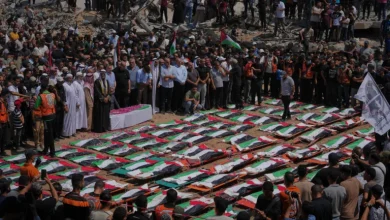
Columnist Jane Martinson notes the heavy toll paid by Palestinian journalists during a year marked by peril and fatalities. She emphasizes the destruction of Al Jazeera’s office by Israel as a stark example of targeting those conveying the truth.
Martinson cites the UN Special Rapporteur on freedom of opinion and expression, Irene Khan, stating that Israel is preventing international journalists from entering Gaza while simultaneously targeting and killing local reporters. In her piece for The Guardian, Martinson warns that if journalists cannot continue reporting from Gaza, the coming year could be even worse.
Turning to the internal situation within Israel, The Jerusalem Post published poll results indicating that social division is now perceived as a greater threat than even the Iranian nuclear program. The poll revealed that 55% of Israelis, across the political spectrum, view polarization and internal divisions as the most significant danger facing Israel. This represents the highest percentage recorded on this issue, highlighting the depth of internal fractures.
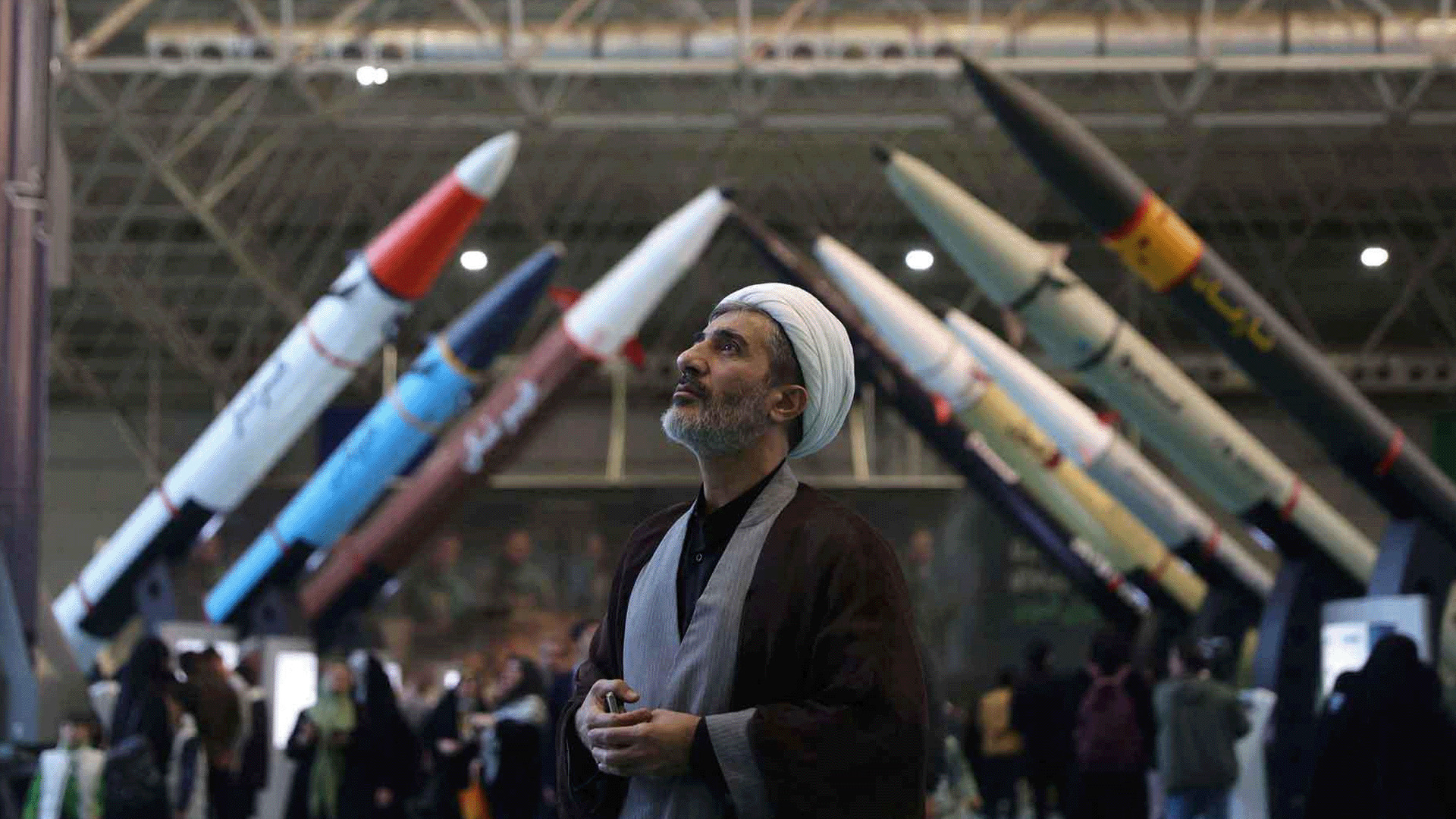
Regarding the Iranian nuclear issue, Foreign Affairs magazine featured an article by former Iranian Foreign Minister Mohammad Javad Zarif and researcher Amir Garmeiseri. They attribute the prolonged stalemate in relations between Tehran and Washington, and concerning the nuclear program, to an overemphasis on a security-focused approach.
The authors argue that the United States and Israel have promoted narratives portraying Iran as a global threat to justify sanctions, threats, and even attacks. Tehran, in turn, has responded with defensive measures and political defiance. The article suggests that this escalating cycle has fueled a dangerous dynamic, perpetuating the impasse.
DZWatch Analysis: The analysis from international media highlights the complex and interconnected challenges facing the region. The safety of journalists, internal social divisions, and the stalled Iranian nuclear negotiations all contribute to a volatile and uncertain environment. A shift towards diplomatic solutions and de-escalation strategies is crucial to breaking the current impasse.