Syria: Key Points of the Damascus-SDF March Agreement
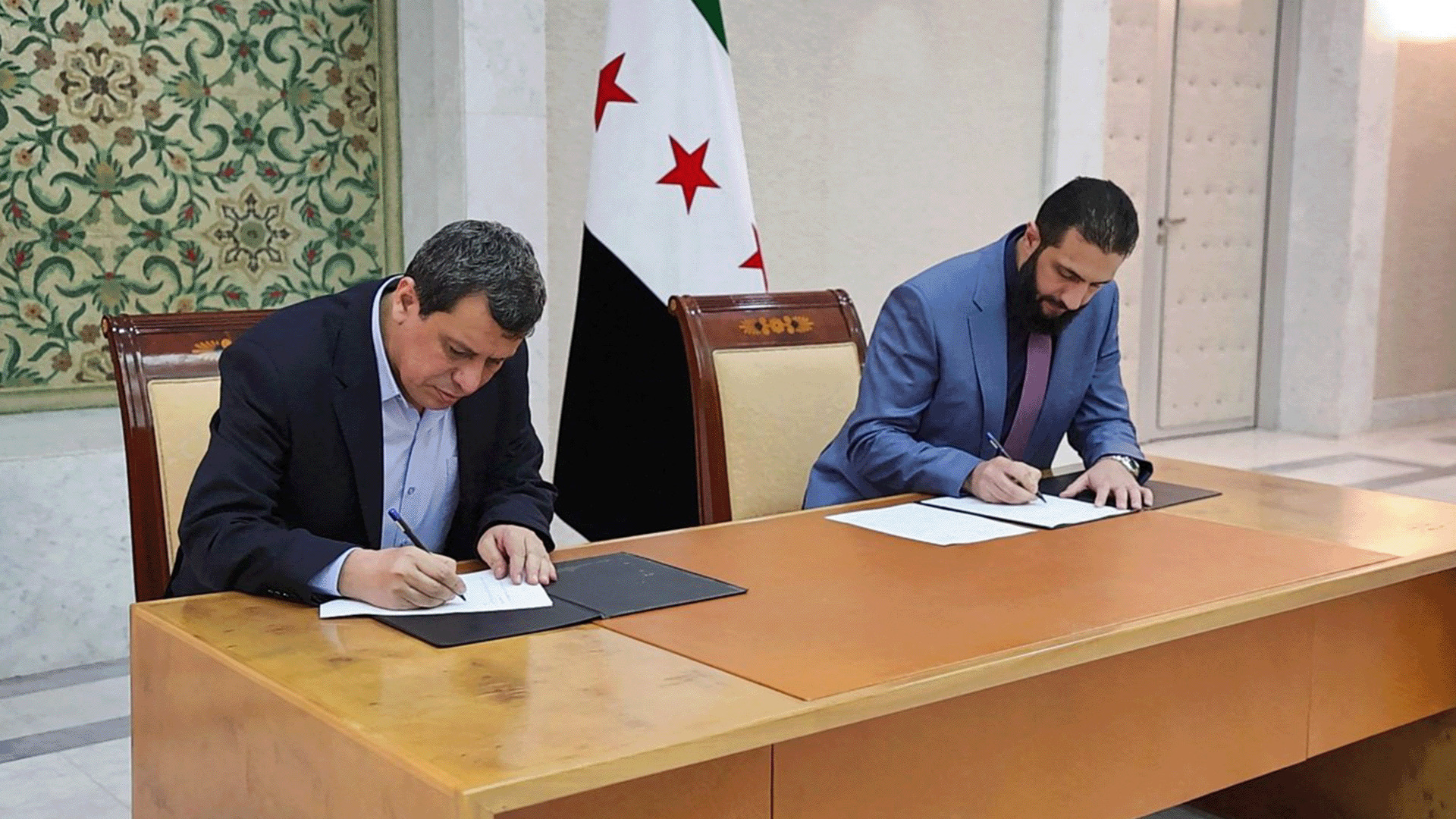
Amidst ongoing clashes in several districts of Aleppo, Northwestern Syria, the implementation of the March 10th agreement between the Syrian government and the Syrian Democratic Forces (SDF) has resurfaced as a point of contention. This report revisits the main stipulations of the agreement as the year draws to a close, examining the perspectives of the various parties involved in the political process between Damascus and the SDF.
The agreement, reached earlier this year, aimed to address several key issues. A primary focus was the integration of SDF-controlled areas into the broader Syrian state structure. This involved discussions on administrative control, resource management, and the role of local councils.
Another crucial element of the March agreement centered on security cooperation. Both sides agreed to coordinate efforts to combat extremist groups, particularly remnants of ISIS, in areas where both Damascus and the SDF maintain a presence. This included intelligence sharing and joint operations in specific regions.
The agreement also touched upon the sensitive issue of the future of SDF fighters. Discussions revolved around the possibility of integrating some SDF personnel into the Syrian army or other security forces, while also providing options for demobilization and reintegration into civilian life for others.
Despite the initial agreement, the implementation process has been fraught with challenges. Differences in interpretation, mutual distrust, and the involvement of external actors have all contributed to delays and setbacks. The recent clashes in Aleppo underscore the fragility of the situation and the need for renewed efforts to bridge the remaining gaps between Damascus and the SDF.
The coming months will be critical in determining whether the March 10th agreement can serve as a foundation for a more stable and inclusive future for Syria. Further negotiations and compromises will be necessary to address the outstanding issues and ensure that the agreement is fully implemented in a manner that benefits all Syrians.