Algeria Demands Recognition, Apology, Reparations from France
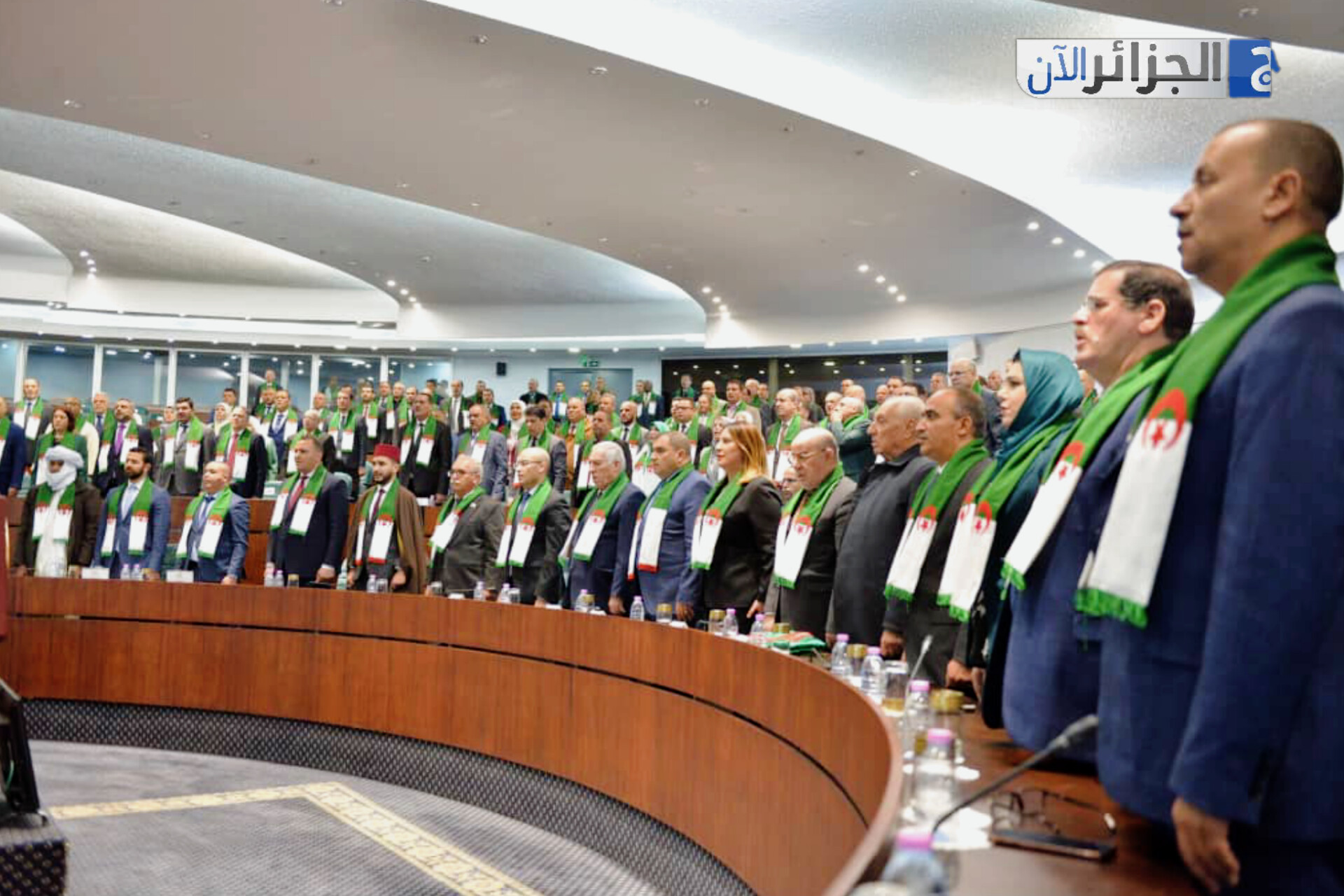
Algiers – The Algerian Parliament yesterday unanimously passed a law criminalizing French colonialism. While not entirely unexpected, the move is viewed by many as a necessary step. The pertinent question, some argue, is not why now, but rather why it has taken so long.
The answer, according to political analysts, lies in France’s historical refusal to fully acknowledge its actions in Algeria, offer a formal apology, or provide adequate reparations. In stark contrast to Germany’s acceptance of responsibility for Nazi atrocities, including apologies, reparations, and historical education, France has often opted for justification, denial, or even provocation.
“When the French Parliament passes a law in 2005 glorifying the ‘positive role’ of colonialism, when the French President refuses to apologize for massacres despite acknowledging them, when the remains of Algerian resistance fighters remain on display in Parisian museums, and when the Algerian national archives remain held in France, this is not just ignoring history, but continuing it by other means,” stated a prominent Algerian historian.
The new Algerian law seeks to draw a clear line, signaling that Algeria will no longer await a French recognition that may never materialize. Instead, Algeria is determined to write its own history, protect its own memory, and assert its narrative within its own borders and institutions. This is not necessarily an act of hostility towards France, but rather a long-overdue assertion of true independence, years after the formal independence of 1962.
However, the law’s implications extend beyond France. It also addresses internal elements within Algeria, particularly the younger generations who did not experience colonialism or the war of liberation but are now witnessing ongoing attempts to distort historical truths. The law aims to legally counter these attempts to whitewash colonialism, question the extent of its crimes, or highlight alleged ‘benefits’ of occupation. It seeks to safeguard national memory against manipulation.
While some may argue that this law suppresses freedom of expression, proponents emphasize the crucial distinction between freedom of opinion and the promotion of historical crimes. Just as Holocaust denial is illegal in many European countries, this law aims to prevent the whitewashing of colonialism in Algeria. The core demands are clear: recognition, apology, and reparations.