
China’s One-Child Policy Architect’s Death Sparks Controversy
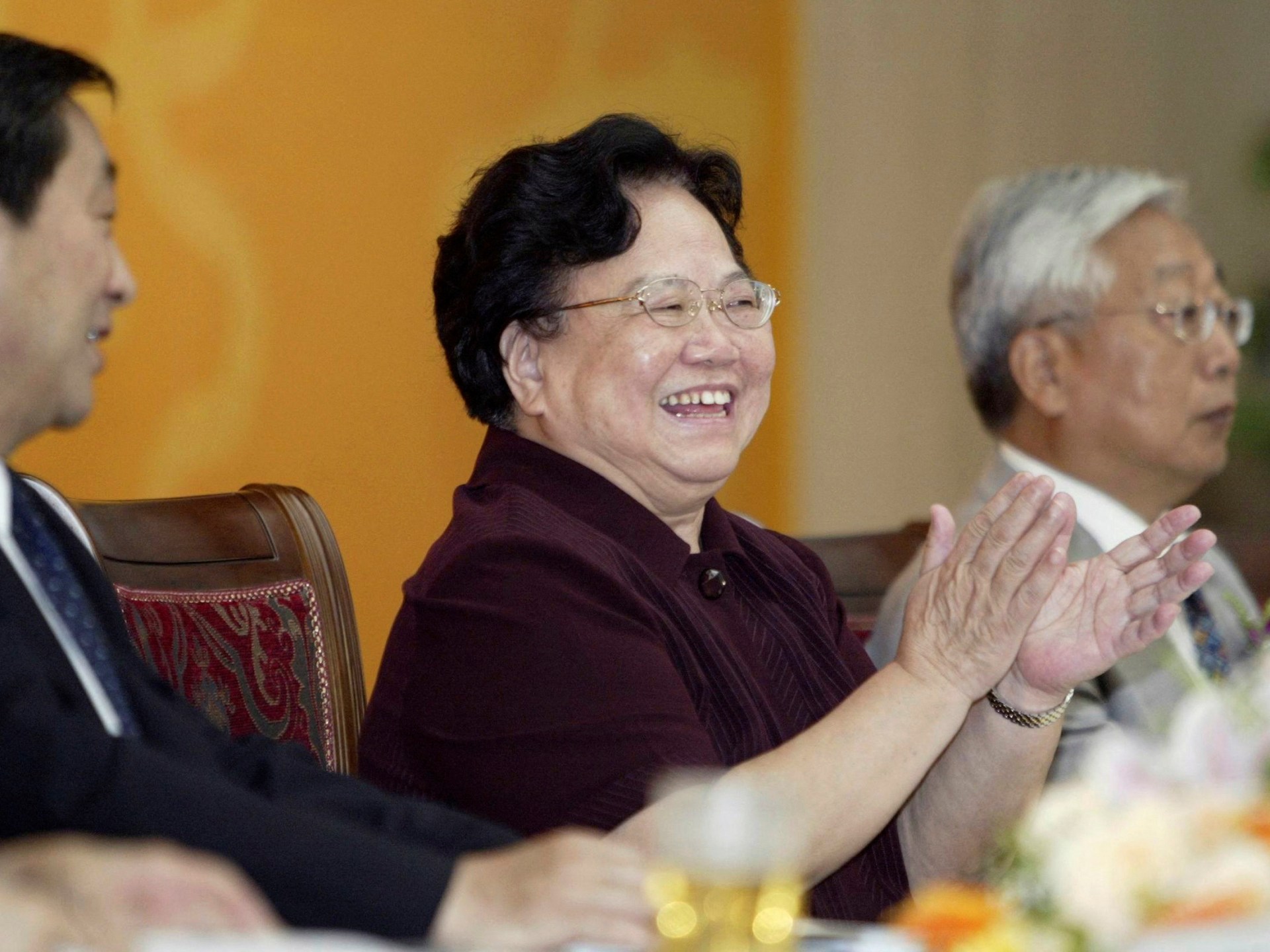
The death of Peng Peiyun, the former head of China’s State Family Planning Commission and a key architect of the country’s controversial one-child policy, has reignited debate and criticism surrounding the policy’s legacy. Peng, who led the commission from 1988 to 1998, was lauded by state media as an “outstanding leader” in women and children’s affairs.
However, reactions on Chinese social media platforms following her death in Beijing, just before her 96th birthday, were far less celebratory. Many online users expressed anger and sorrow over the policy’s impact on families and individuals.
Implemented from 1980 until 2015, the one-child policy aimed to curb population growth, which leaders feared was spiraling out of control. The policy led to instances of forced abortions and sterilizations by local officials striving to meet stringent quotas. Critics argue that the policy caused immense suffering and contributed to gender imbalances in the population.
China officially ended the one-child policy in 2015, allowing couples to have two children. This was later increased to three. The shift came as China’s population growth slowed dramatically, and the country’s population began to shrink. In 2023, India surpassed China as the world’s most populous nation.
China’s population decline continues, with a decrease recorded last year for the third consecutive year. Experts warn that this trend will accelerate in the coming years. Official population data for 2025 is expected to be released next month.
The shrinking workforce and aging population are raising concerns about the future of China’s economy. Economists fear that a declining labor pool could hinder economic growth and strain the country’s social security system. Rising healthcare costs and pension obligations are also expected to place additional pressure on already indebted local governments.
The long-term consequences of the one-child policy continue to be debated as China grapples with its demographic challenges.