Israeli Settlement Expansion in West Bank Accelerates in 2025
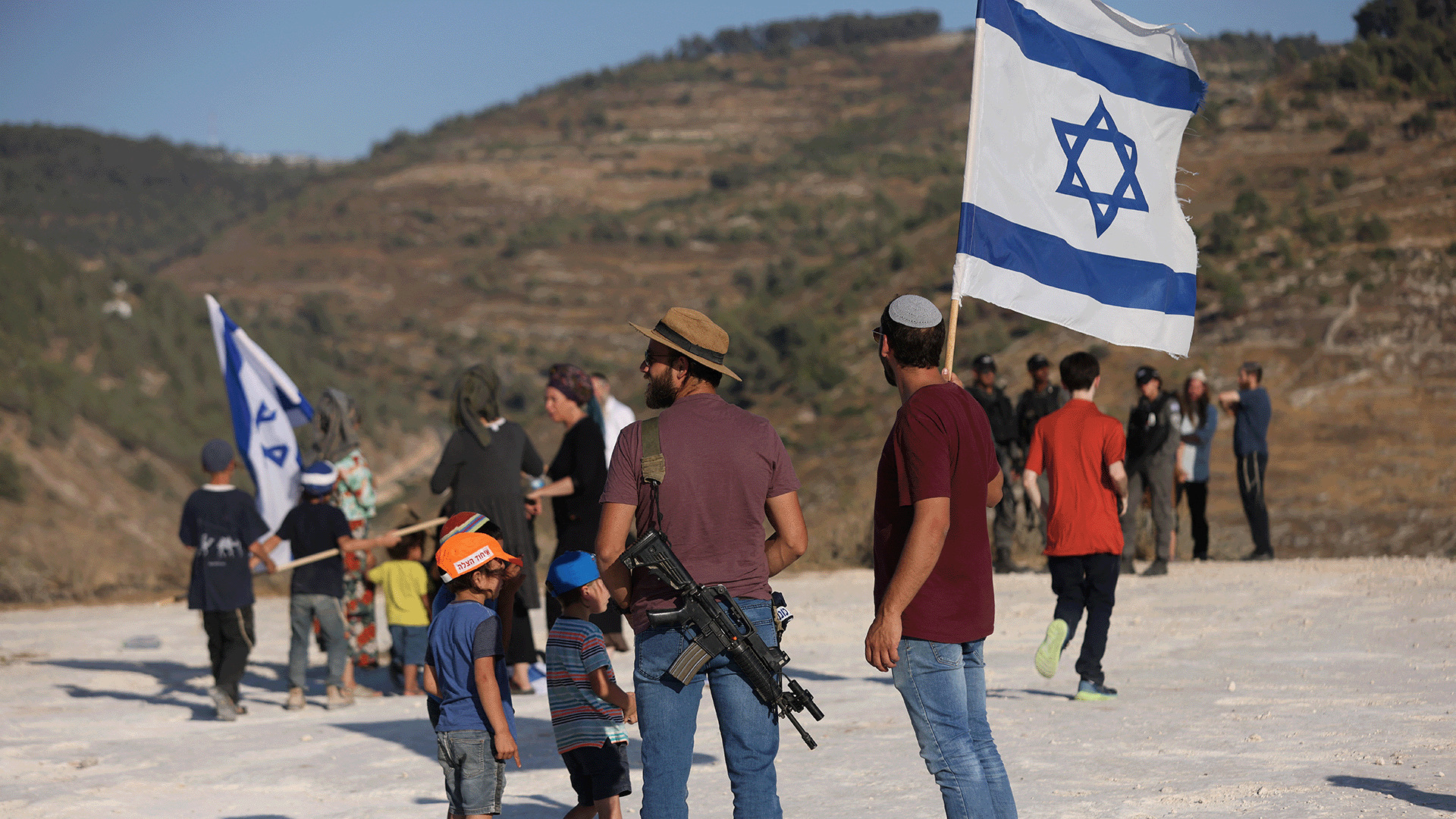
A significant shift in Israeli strategy towards the West Bank has been observed throughout 2025, with a marked acceleration in settlement expansion. According to Palestinian affairs expert Firas al-Qawasmi, Tel Aviv has transitioned from a policy of ‘conflict management’ to one of ‘resolution,’ resulting in unprecedented levels of settlement activity.
Al-Qawasmi notes that 2025 witnessed record-breaking expansion, fueled by American political cover and a growing right-wing sentiment within Israeli society. This push aims to transform the Palestinian issue from one of national political rights to a mere ‘population issue’ managed within geographically isolated enclaves.
Analysis reveals the approval of 40 new settlements and 64 outposts in 2025 alone, a figure comparable to the total built in the preceding five years. Settlement activity is no longer confined to ‘Area C,’ which constitutes 60% of the West Bank, but has encroached into ‘Area B,’ undermining Palestinian demographic growth and the possibility of an independent political entity.
Military operations in refugee camps, resulting in the displacement of approximately 40,000 Palestinians from 19 camps (primarily in Area A), are also linked to the settlement project. Israel seeks to eliminate the symbolic importance of the refugee issue, weaken resistance strongholds in Jenin, Nur Shams, and Tulkarm, and impose a ‘deterrence’ by forcing Palestinians to pay a heavy price for any act of resistance.
The emergence of ‘pastoral settlements,’ operated by settler militias like ‘Hilltop Youth,’ has also been identified as a security tool. These militias control vast tracts of land under the guise of grazing, leading to the forced displacement of Palestinians and connecting settlements to each other and to occupied territories, paving the way for the imposition of ‘full sovereignty.’
Al-Qawasmi concludes that Israel’s current settlement surge relies on three key factors: unprecedented American support, the international community’s inability to translate resolutions into concrete action, and a consensus between the right-wing government and Israeli society, which increasingly views settlement as a ‘collective demand’ and a valuable electoral asset, making 2025 a potential ‘point of no return’ in the conflict.